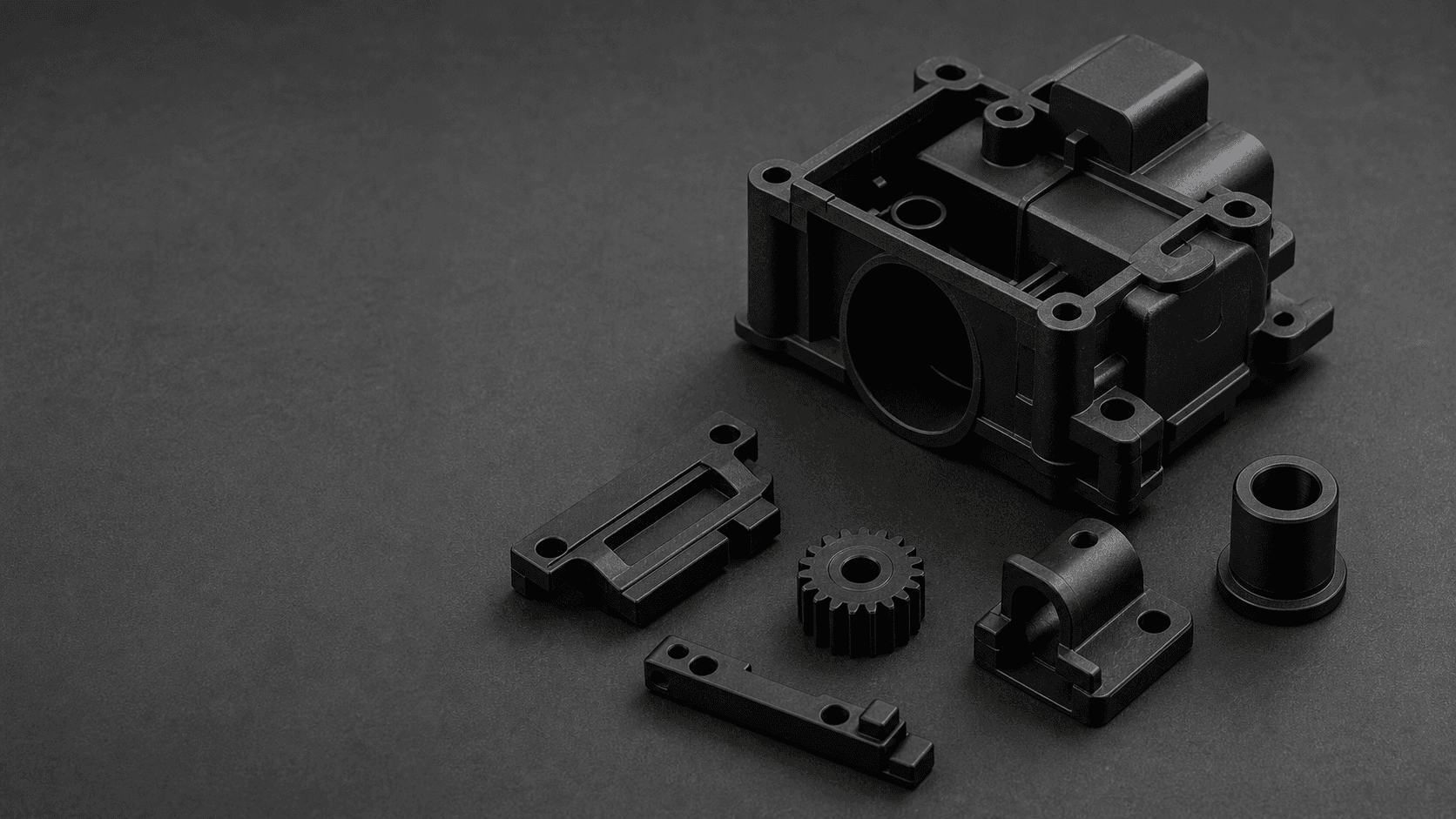
Illustrative black precision-molded functional component forms

Charge-Control POM

Conductive and Antistatic POM

Select conductive or antistatic POM by the required electrical measurement, part function, color, retained mechanical properties, and finished-part test method.

Grade Evidence

Available POM Charge-Control Grades

Grade / familyPOM-CNT-R610 / POM-CNT-R35
Modification direction

CNT Antistatic

Published electrical direction

10⁶–10¹⁰ / 10³–10⁵
Grade / familyPOM GP8 / POM GP3
Modification direction

Carbon Fiber Conductive

Published electrical direction

10⁶–10⁸ / 10³–10⁵

Grade / familyPOM EGH25CN
Modification direction

Conductive / Antistatic POM Compound

Published electrical direction

Controlled resistivity

Grade / familyPOM ECN1003B
Modification direction

Conductive / Antistatic POM Compound

Published electrical direction

Conductive grade

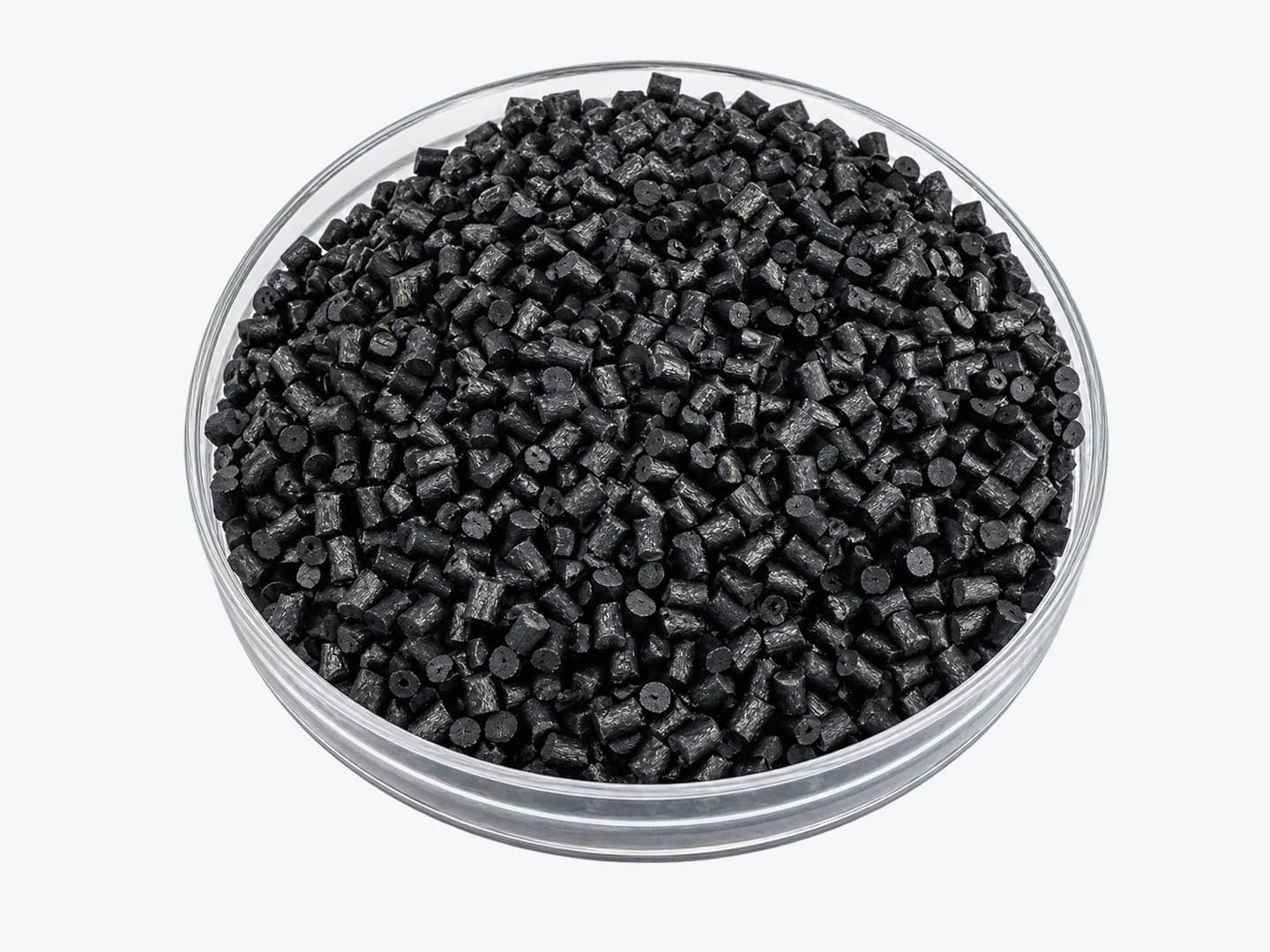
Black modified POM pellets
Charge-Control POM
Target
Charge control
Typical color
Black
Selection data
Resistivity

Define the electrical target

Start with the required electrical behavior and how it will be measured. Antistatic, static-dissipative and conductive targets should be defined by range and test method rather than by label alone.

  • Required resistivity range
  • Surface or volume resistivity
  • Test method
  • Required antistatic, static-dissipative or conductive behavior

Define the part conditions

Add the part and project conditions that can affect grade suitability and retained mechanical performance.

  • Component function and operating environment
  • Mechanical and dimensional requirements
  • Color requirements
  • TDS, document and sample needs

Final electrical performance should be confirmed on the molded part under the agreed test method and operating environment.

Frequently Asked Questions

Are conductive POM and antistatic POM the same?
No. Conductive, static-dissipative, and antistatic descriptions usually refer to different electrical ranges and performance goals. The exact target and test method should be confirmed for each project.
Can electrical performance affect mechanical properties?
Yes. Fillers or modifiers used for charge-control behavior may affect color, flow, impact, stiffness, wear, and surface quality. Compare the complete property balance before approval.

Grade Selection

Need Help Shortlisting a Grade?

Share the current material, application, target properties, mold stage, document requirements, and estimated volume. Taiyi Polymer can shortlist relevant grades and confirm the next sample or TDS step.