
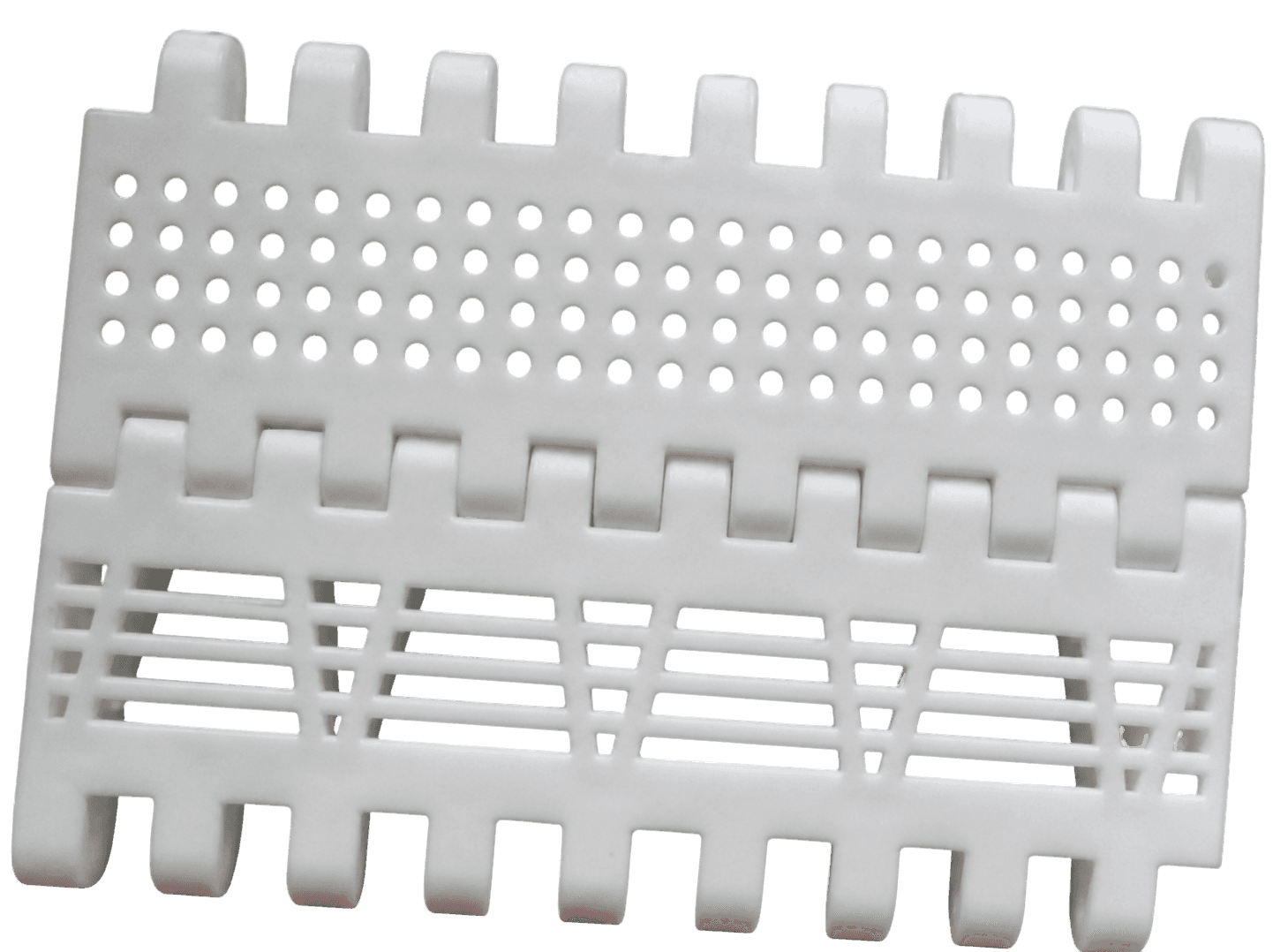
Mini Conveyor Chain Plate
Chain link pitch, pin fit, turning radius, line speed, and storage state determine meshing wear and running resistance.
Conveying and automated material selection
Plastic chain plates, conveyor guides, rollers, and handling components for clean automated conveying.
Conveyor & Automation
Plastic chain plates, conveyor guides, rollers, and handling components for clean automated conveying.
Typical components
Chain link pitch, pin fit, turning radius, line speed, and storage state determine meshing wear and running resistance.
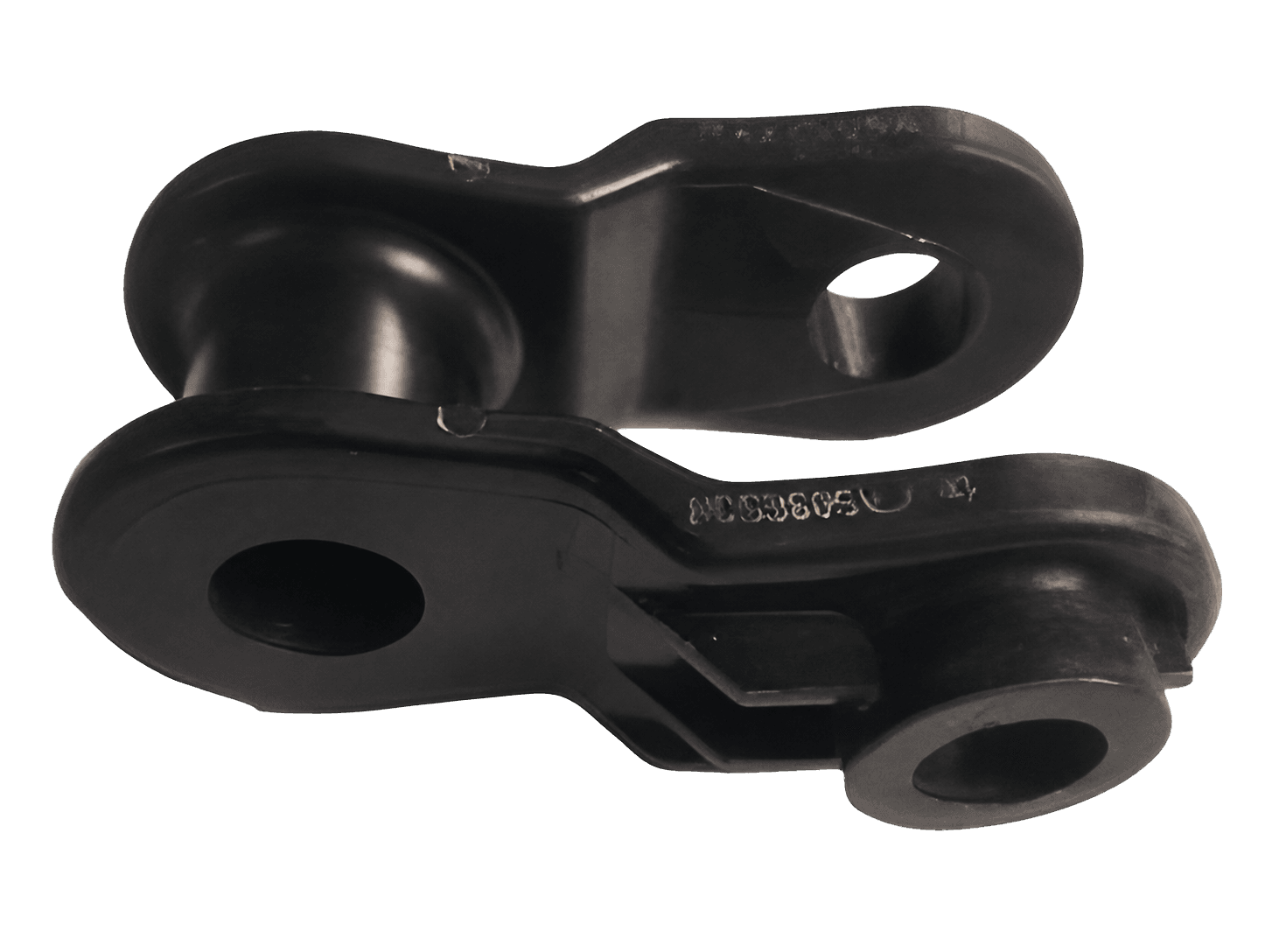
Cumulative load, impact, pin stress, and start-stop frequency determine chain link rigidity, hole wear, and fatigue risk.
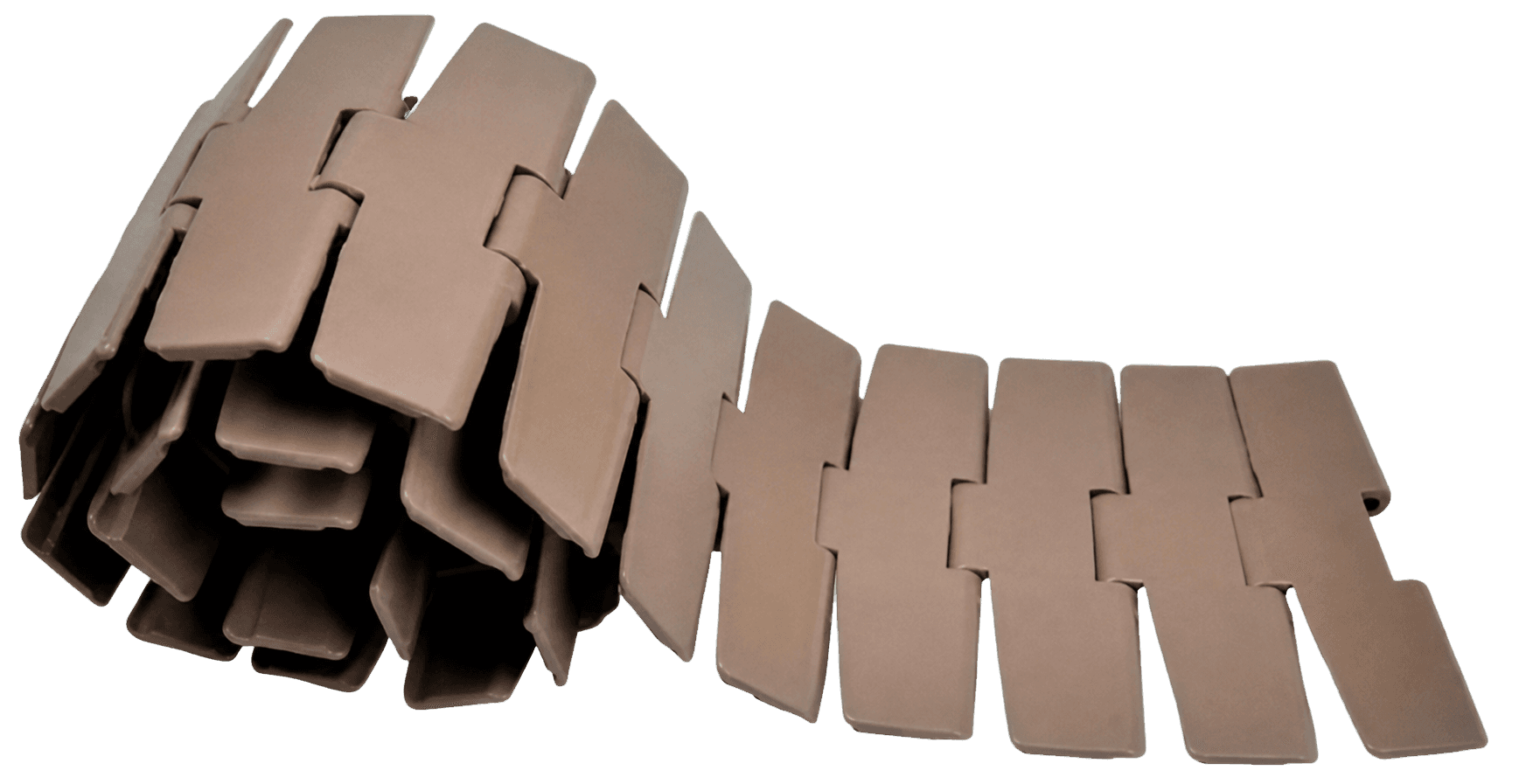
Module splicing, edge meshing, flatness, and temperature changes determine the continuity of the conveying surface and the stability of repetitive movement.
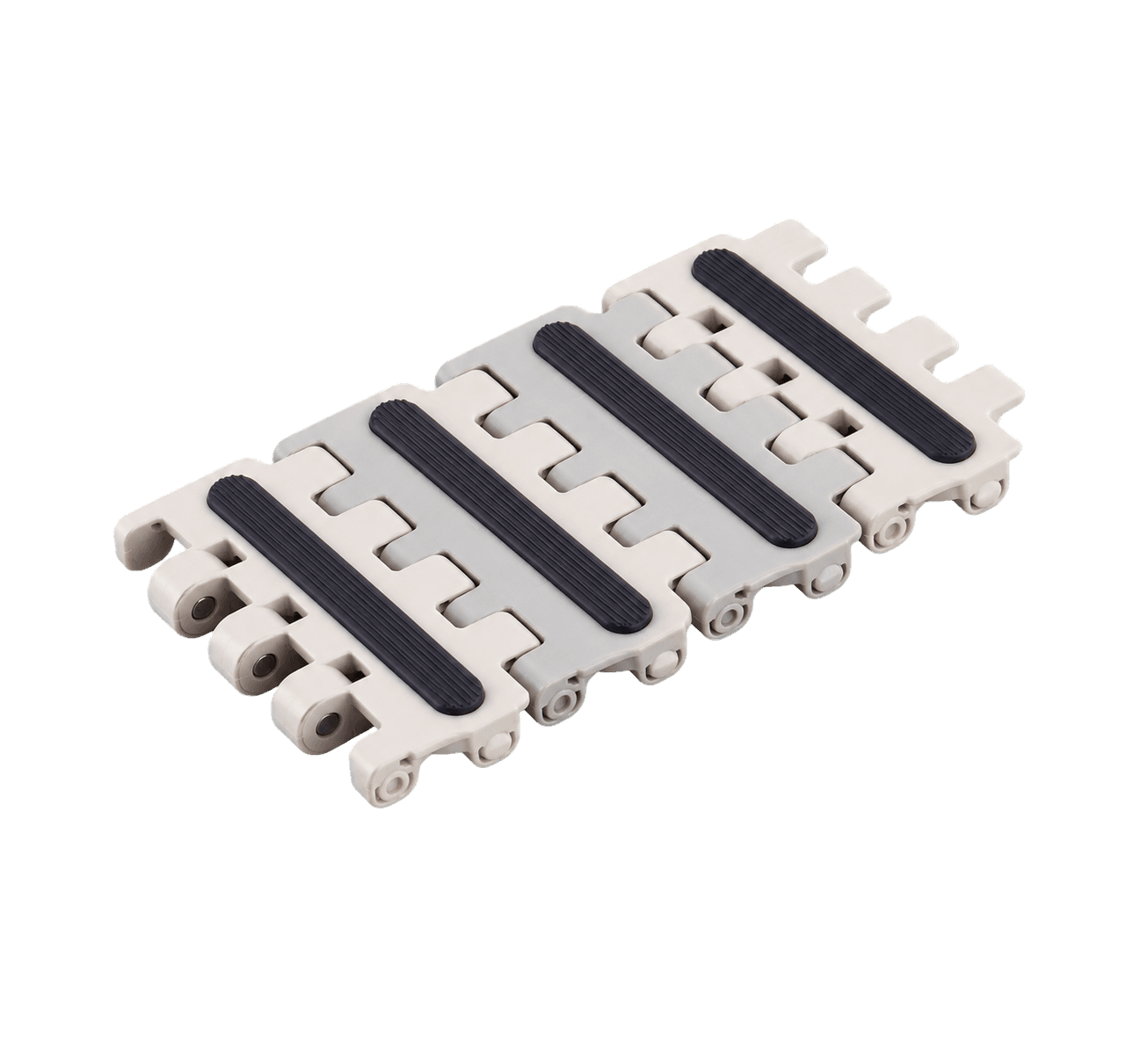
Surface grip, target resistance, grounding method, color, and chain link wear need to be confirmed together in the same usage environment.
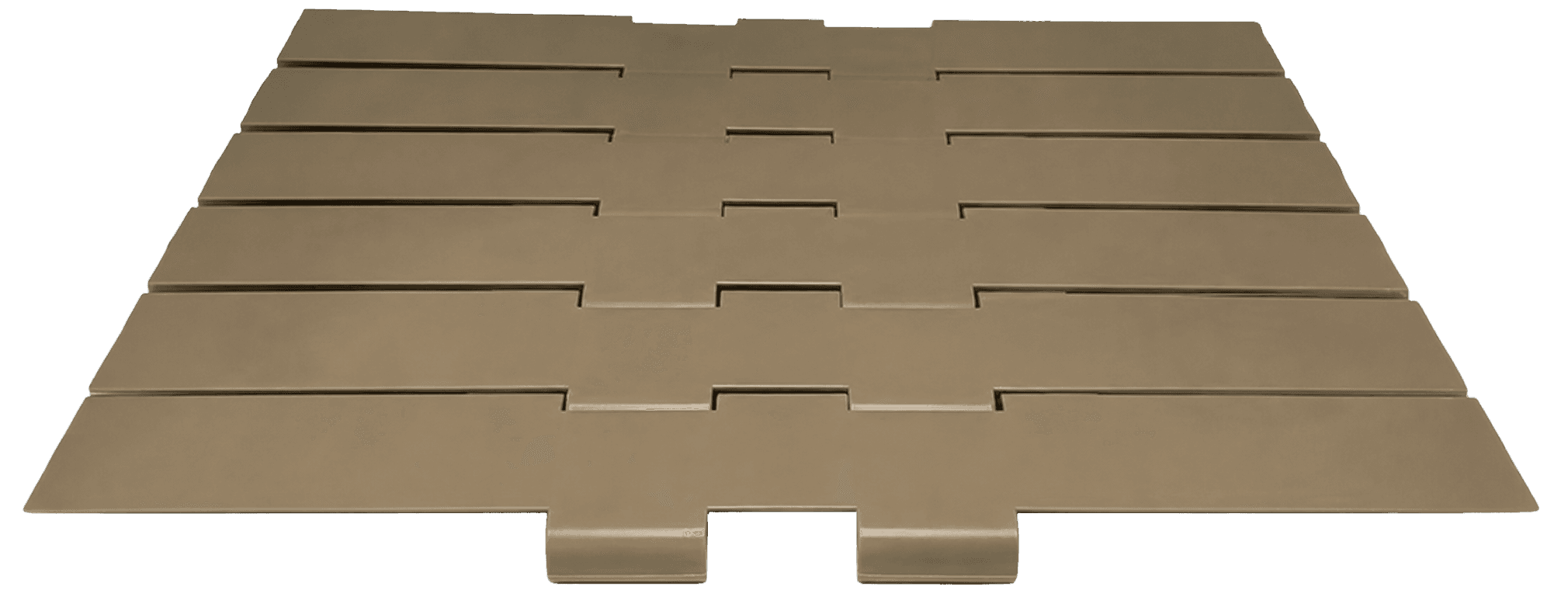
Panel span, support position, load distribution, and connection method determine rigidity, flatness, and dimensional consistency requirements.
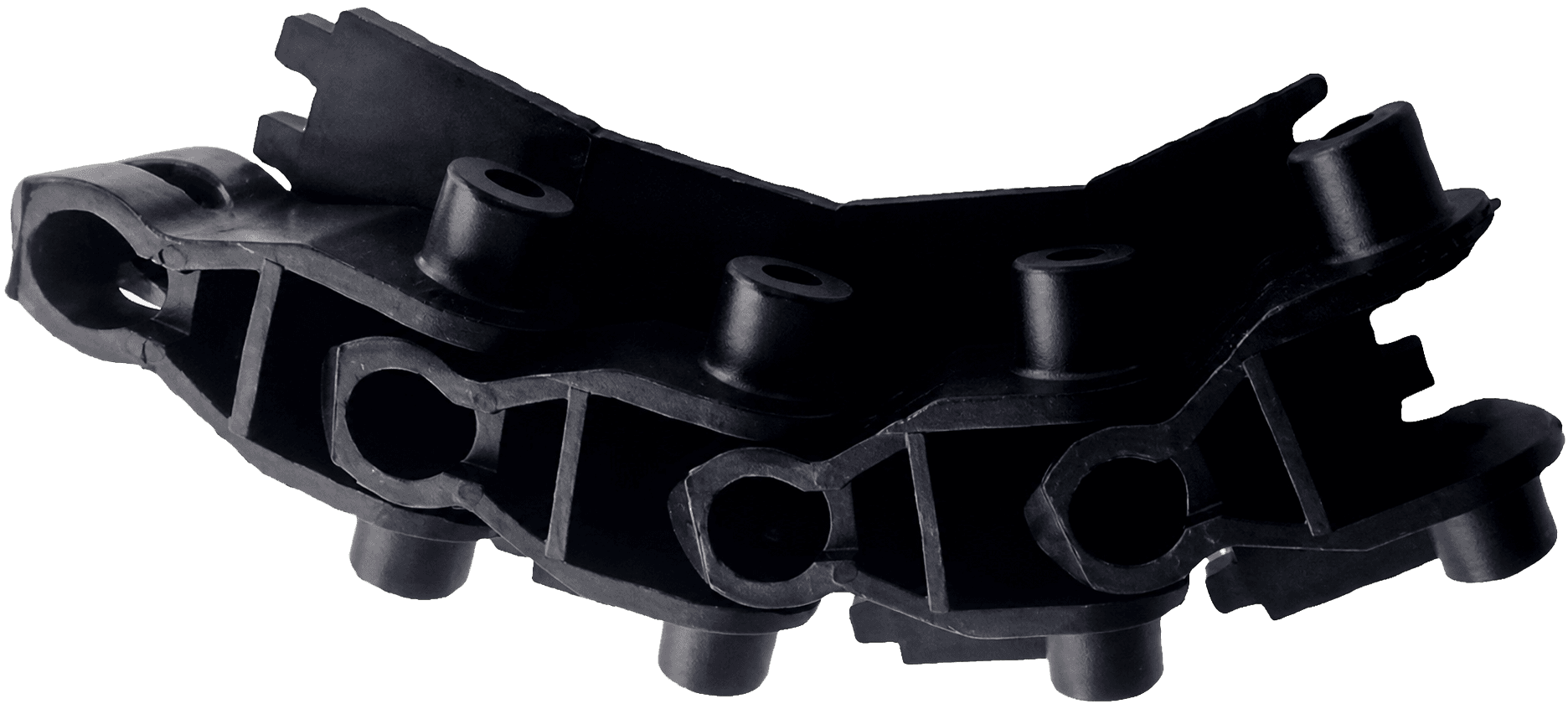
Target resistance range, test voltage, grounding path, humidity, and post-wear electrical performance determine material and verification method.
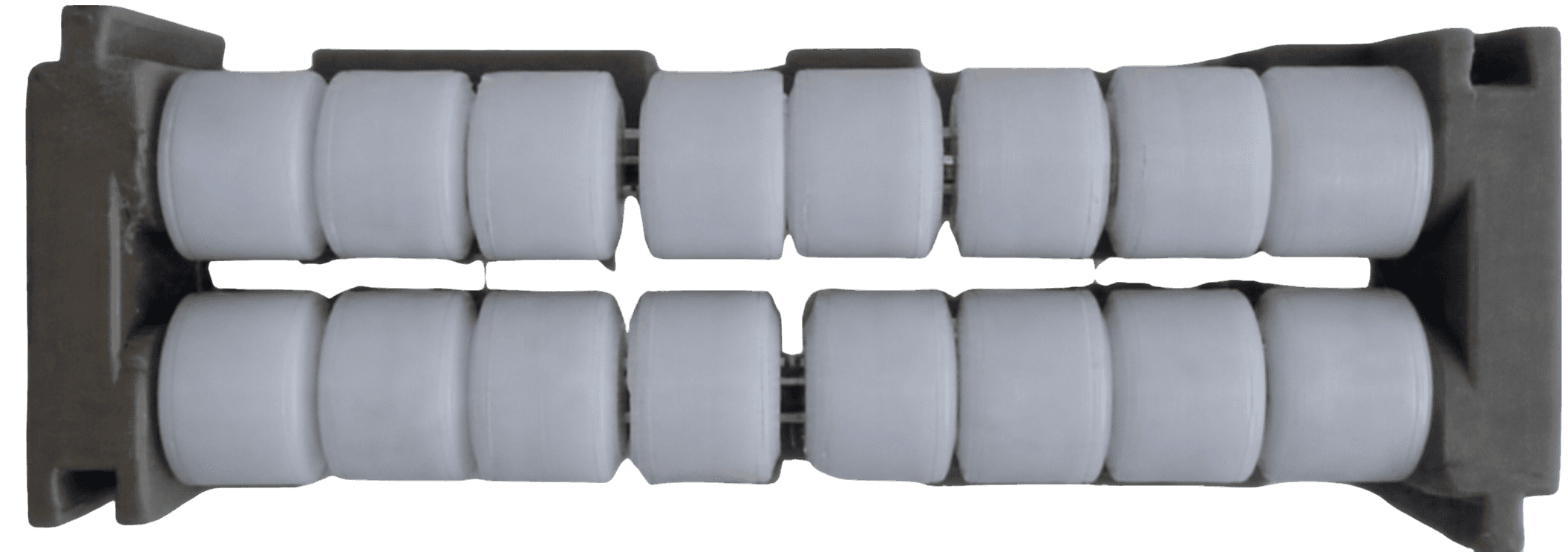
Roller diameter, shaft material, fit clearance, radial load, and line speed determine starting resistance, roundness, and wear performance.
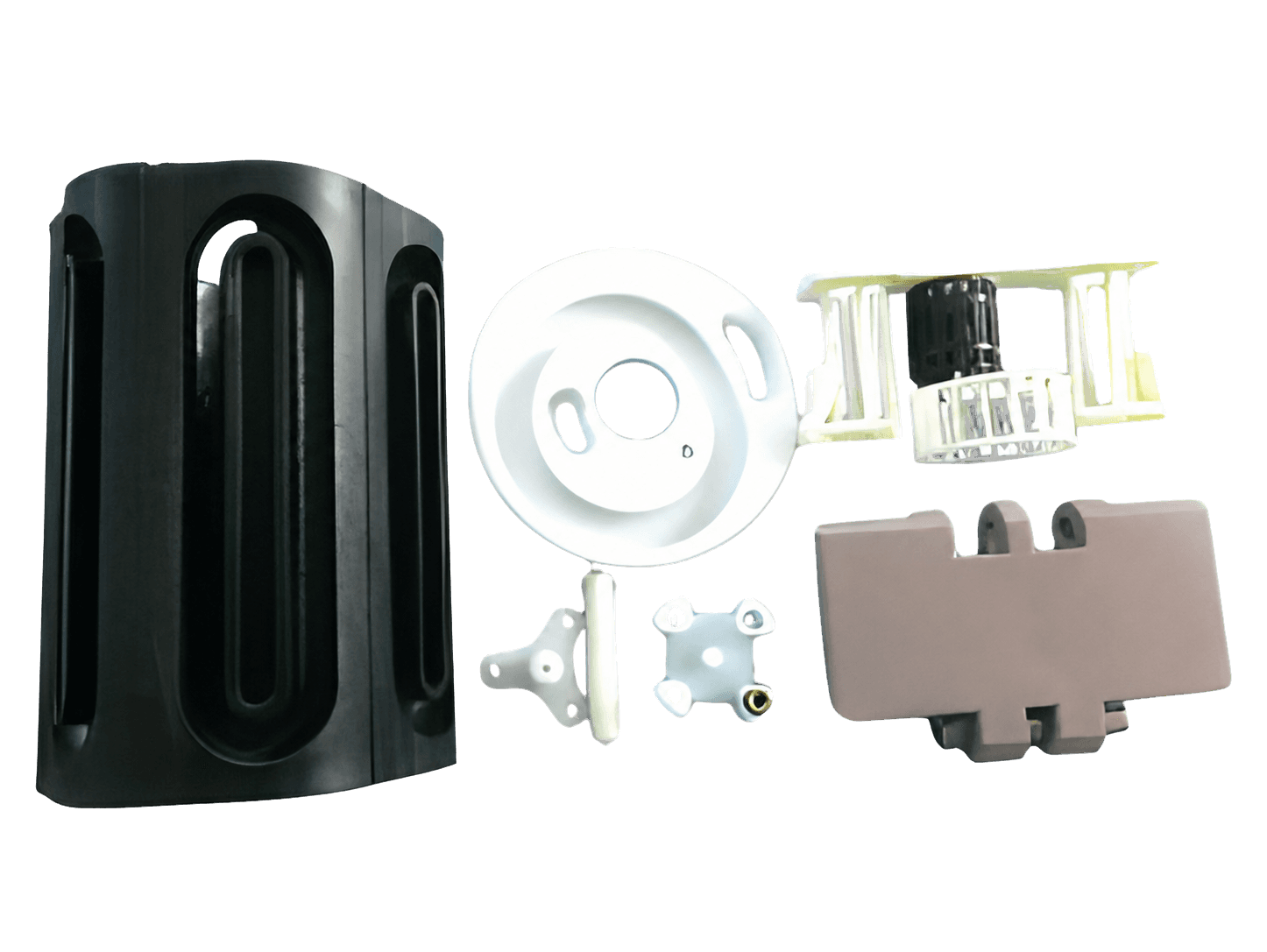
Fastening structure, cantilever length, impact load, and repeated alignment determine support rigidity and durability at connection points.
Material options
These directions establish an initial candidate range; they do not imply universal fit across conveyor lines. Confirm a specific grade against load, cycle time, mating conditions, cleaning environment and static target.
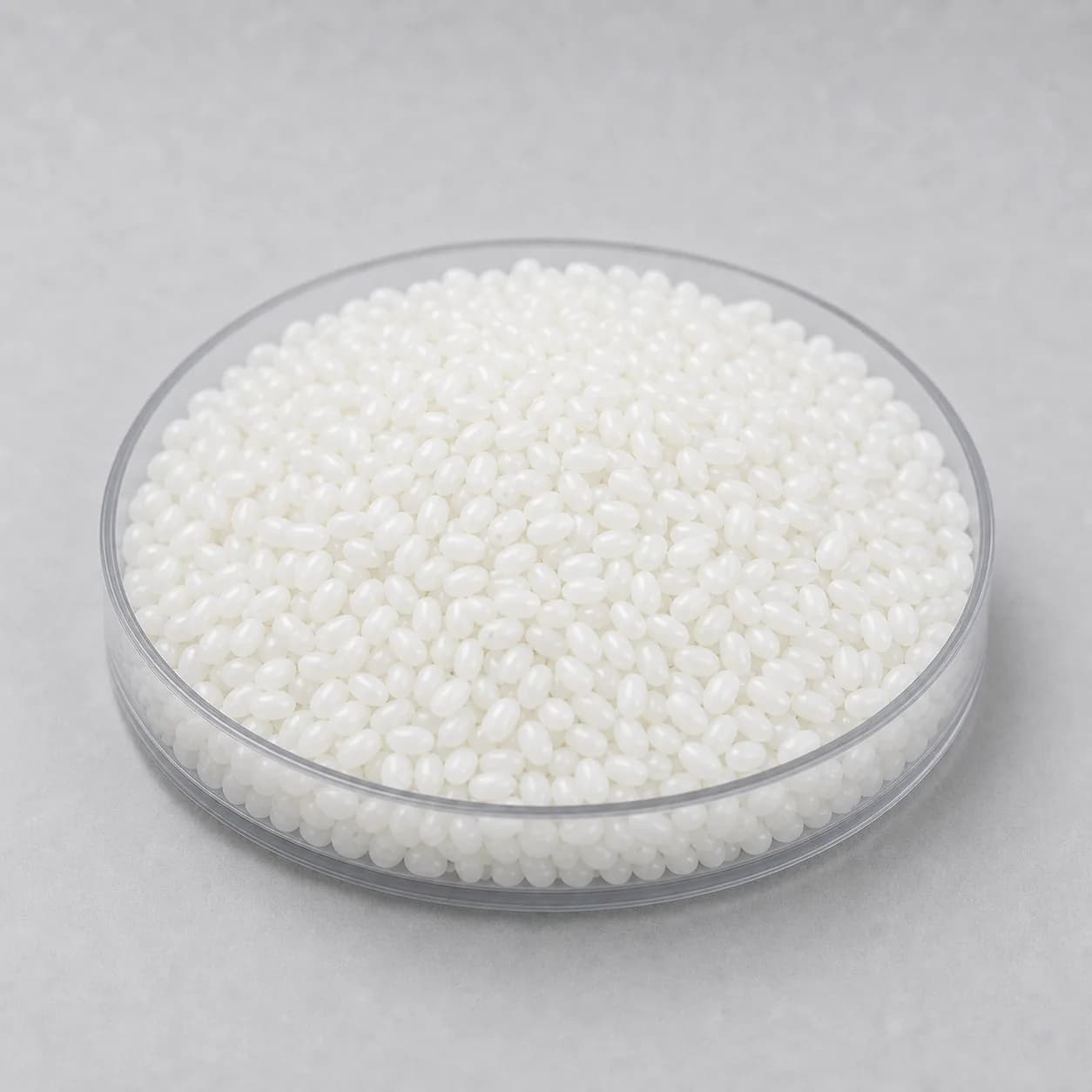
Chain plates, links, rollers, or guides are considered candidates when wear life and clearance retention are the main issues.
Consider low-friction options when chain plates and guides, rollers and shafts, or other sliding interfaces need lower drive resistance, noise or stick-slip.
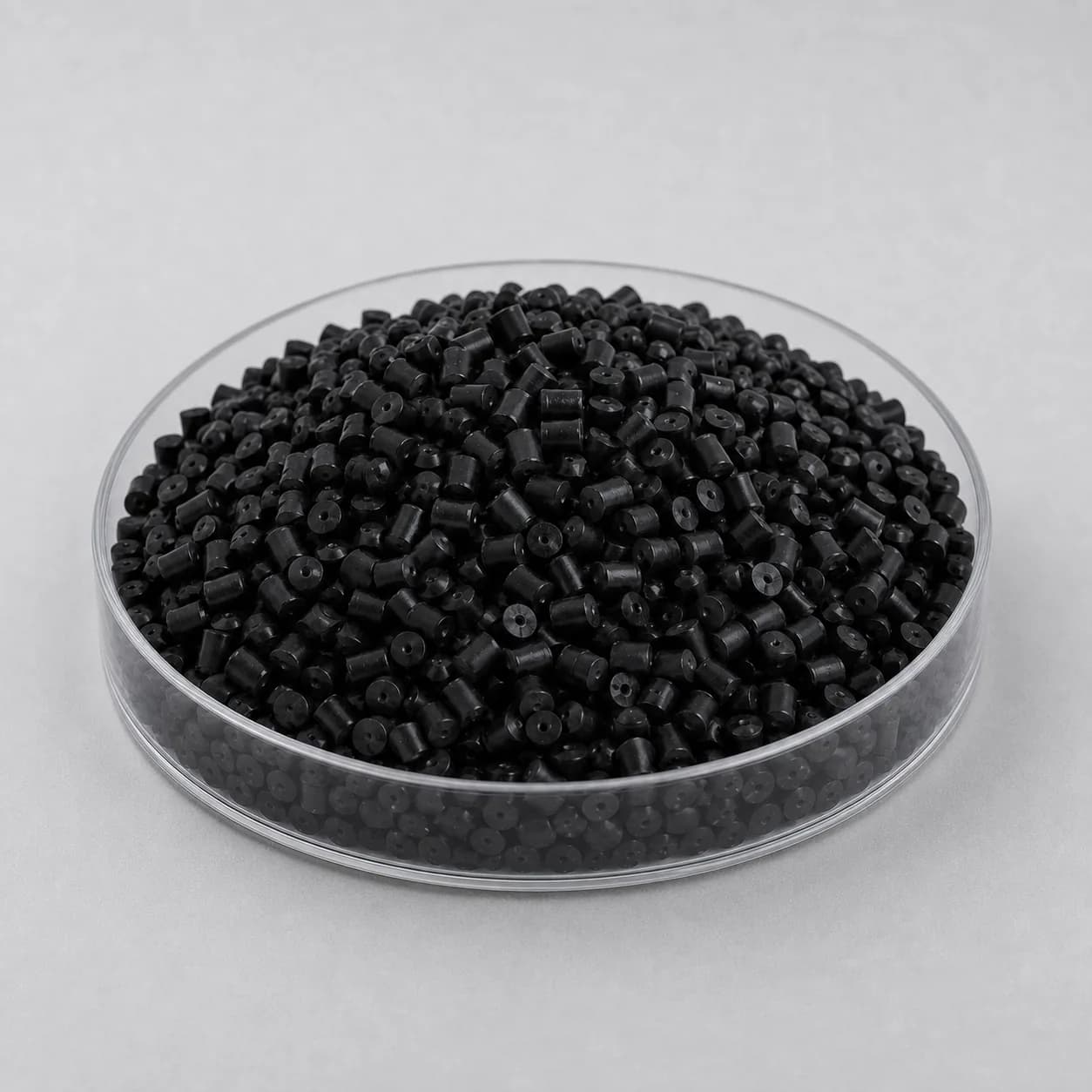
Electronic assembly or electrostatic-sensitive handling lines have defined resistance ranges, grounding methods, testing methods, and usage environments when entering candidate stages.
Next step
Share the conveyed product, individual or accumulated load, line speed, start-stop frequency, contact materials, cleaning environment, static target and current failure mode. We can then organize the candidate range, open conditions, and grade-document or sample arrangements.