
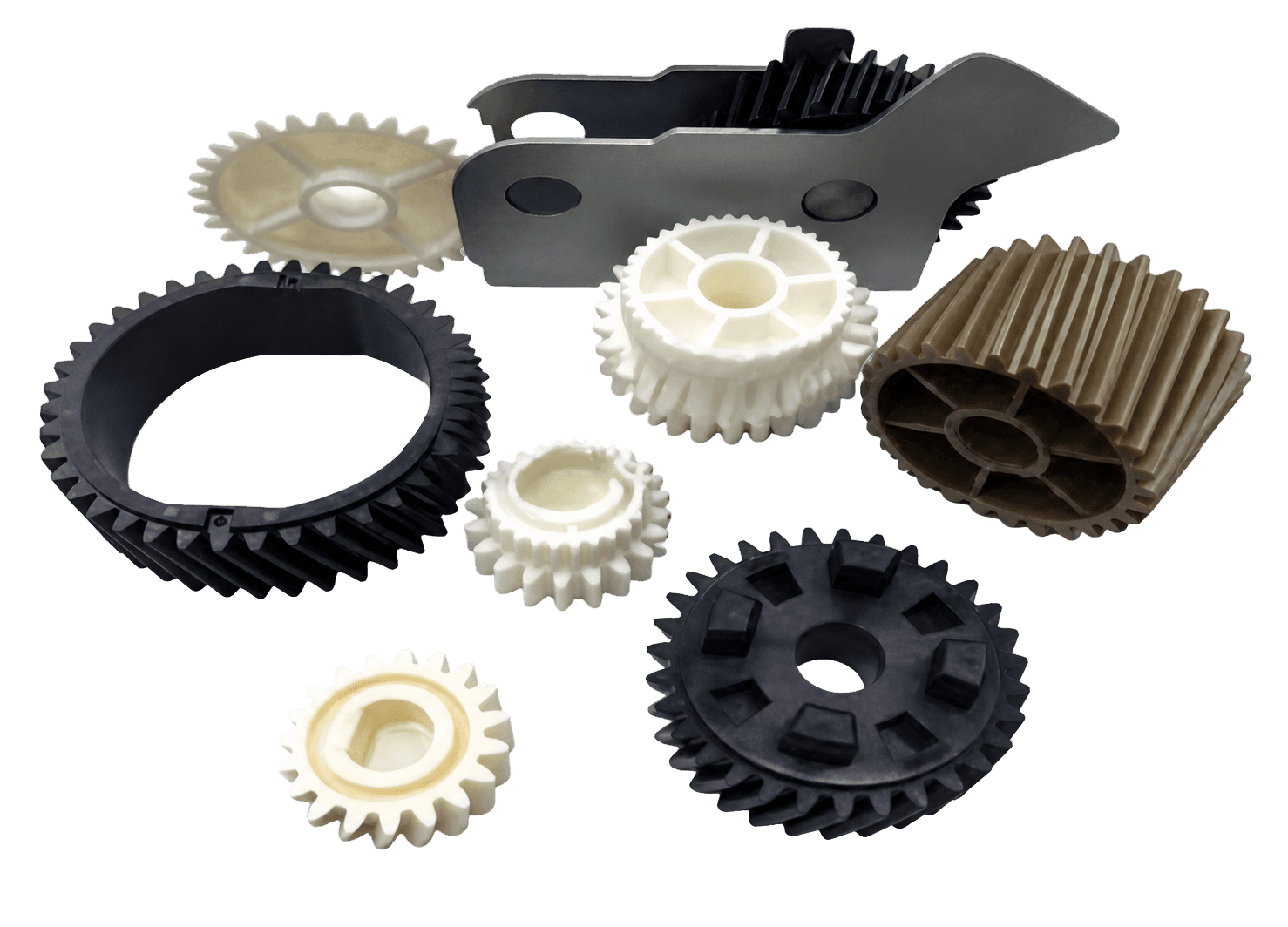
Precision Gear
Tooth surface load, module, speed, cycle count, and noise targets together determine the priorities for wear resistance, low friction, and dimensional stability.
Materials for moving parts
Gears, rollers, shaft sleeves, sleeves, and sliding parts used for transmission, guidance, and low-friction movement.
Motion Components
Gears, rollers, shaft sleeves, sleeves, and sliding parts used for transmission, guidance, and low-friction movement.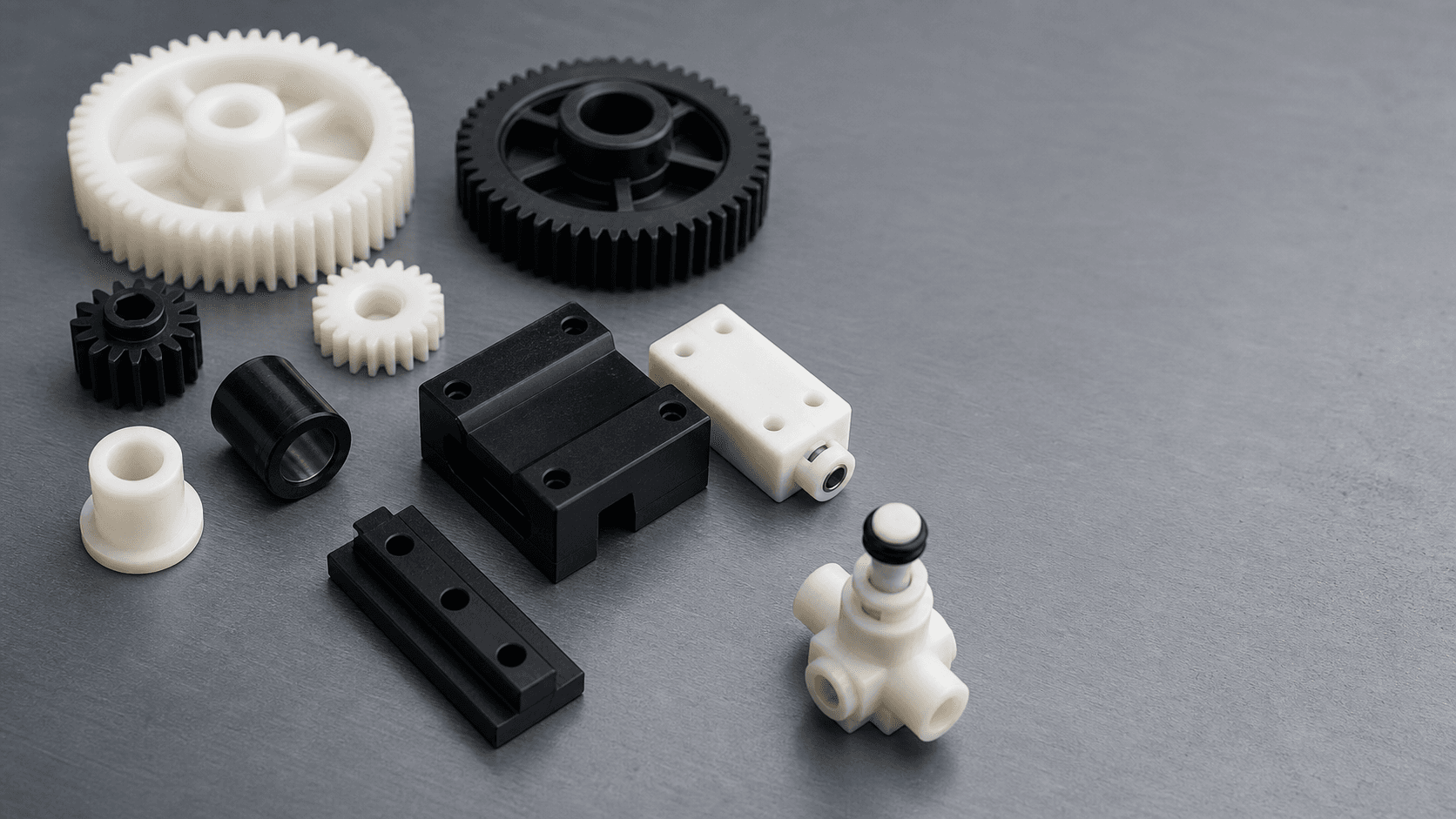
Typical components
Tooth surface load, module, speed, cycle count, and noise targets together determine the priorities for wear resistance, low friction, and dimensional stability.
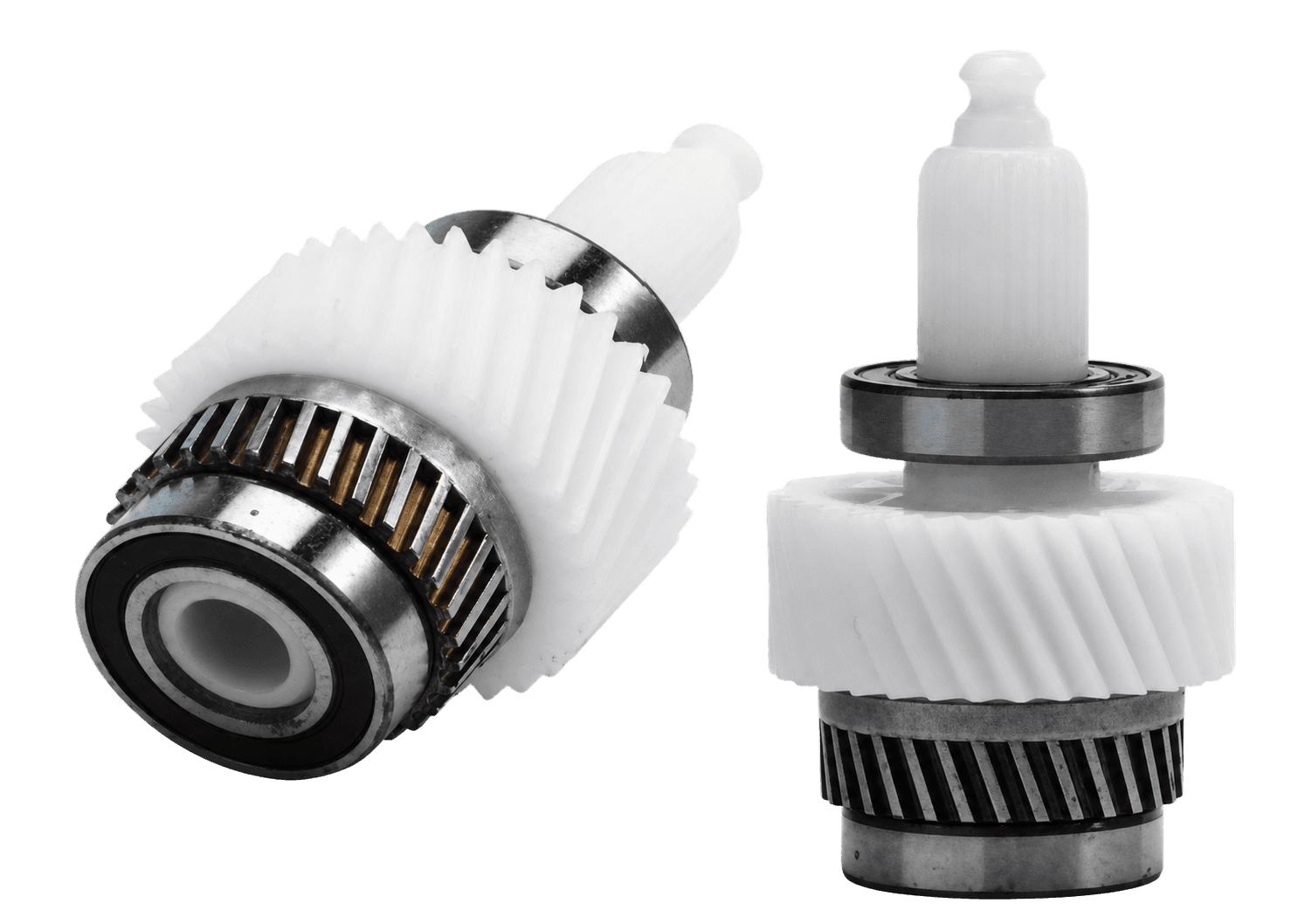
Continuous sliding contact, reduction ratio, temperature rise, and lubrication conditions determine the key factors for friction, wear, and tooth profile retention.
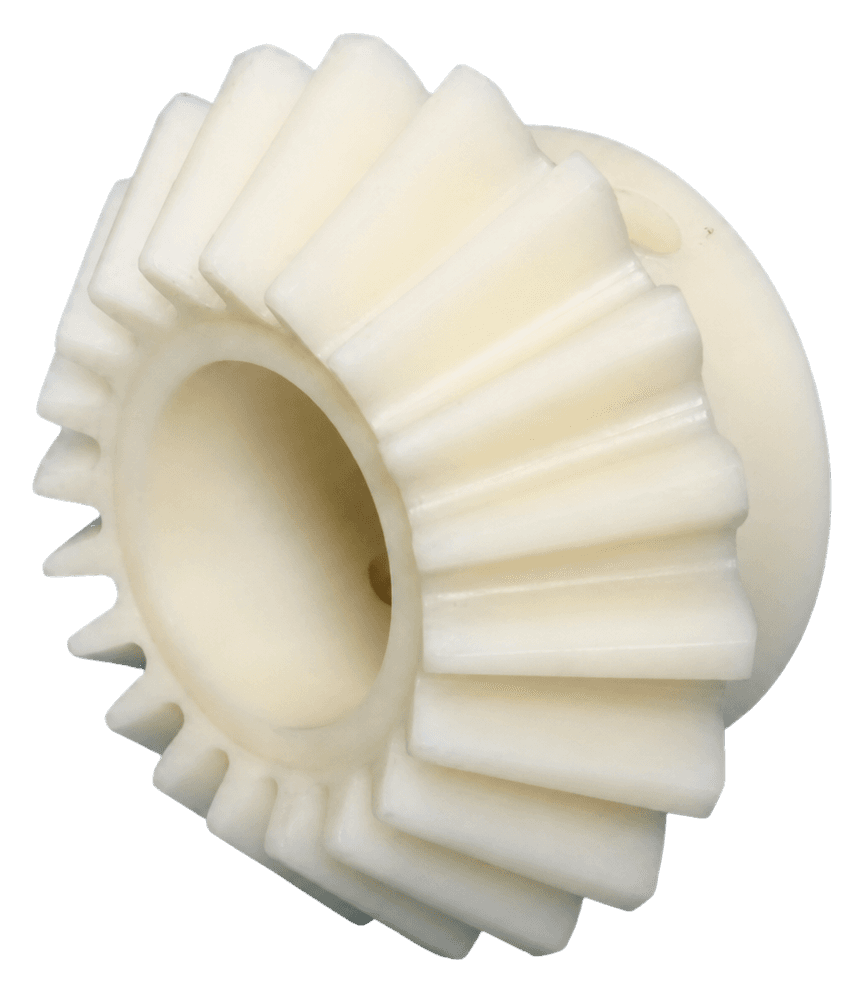
Contour accuracy, contact stress, impact load, and cycle count determine surface durability and consistency in motion execution.
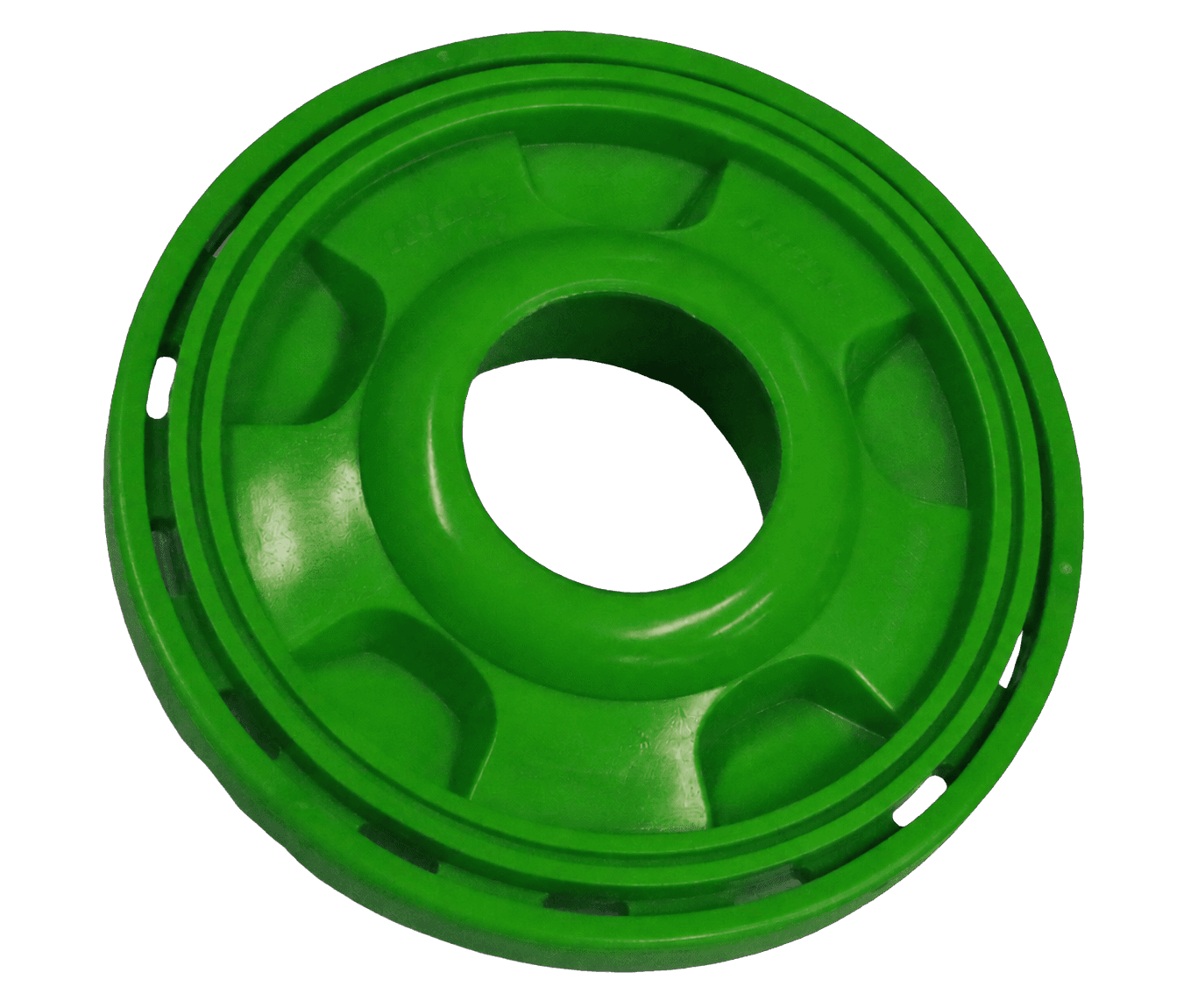
The contact states of radial loads, shaft-hole fits, rolling, or sliding determine wear, roundness, and operational stability requirements.
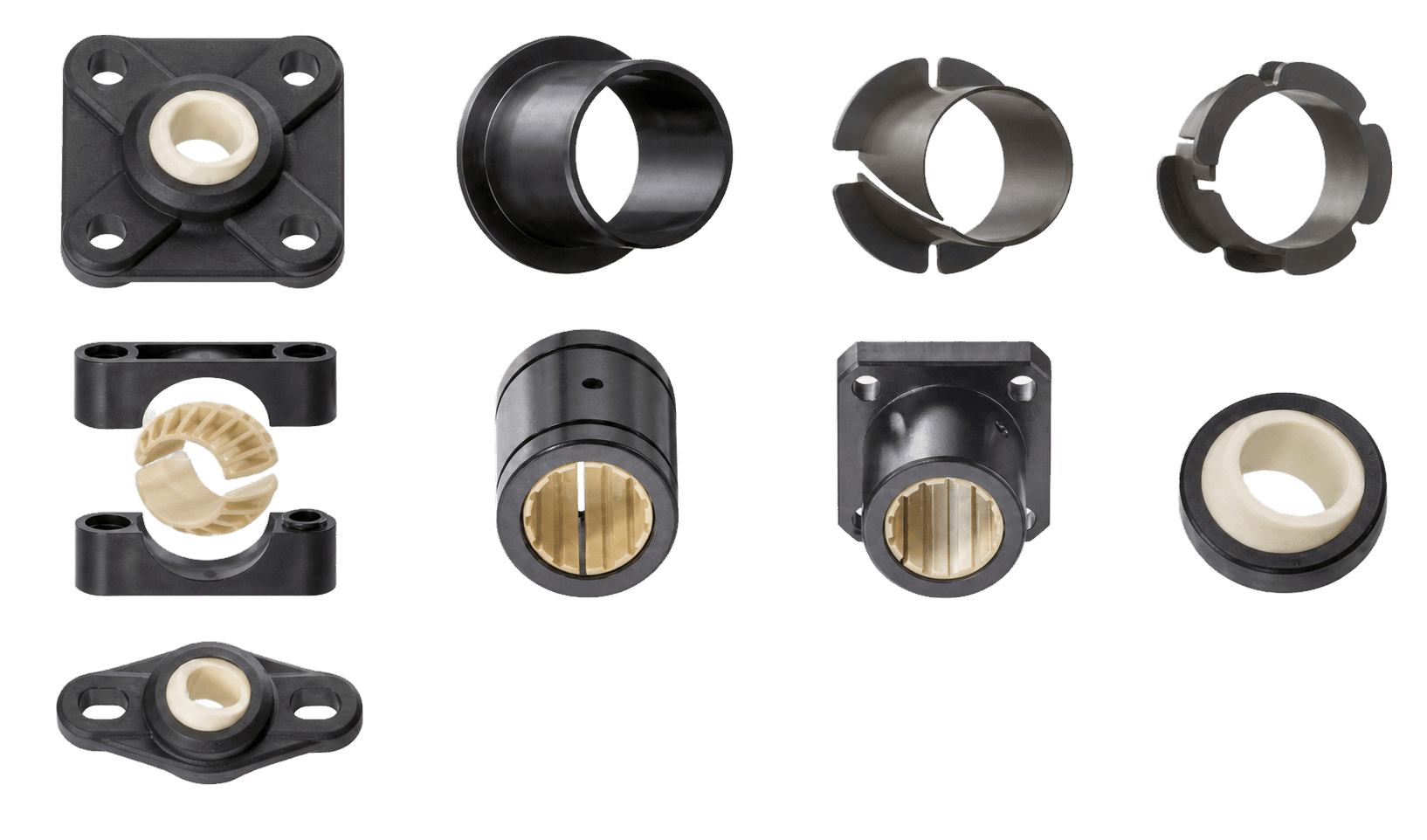
Axle material, surface condition, load, speed, clearance, and lubrication method determine starting friction, wear life, and temperature rise performance.
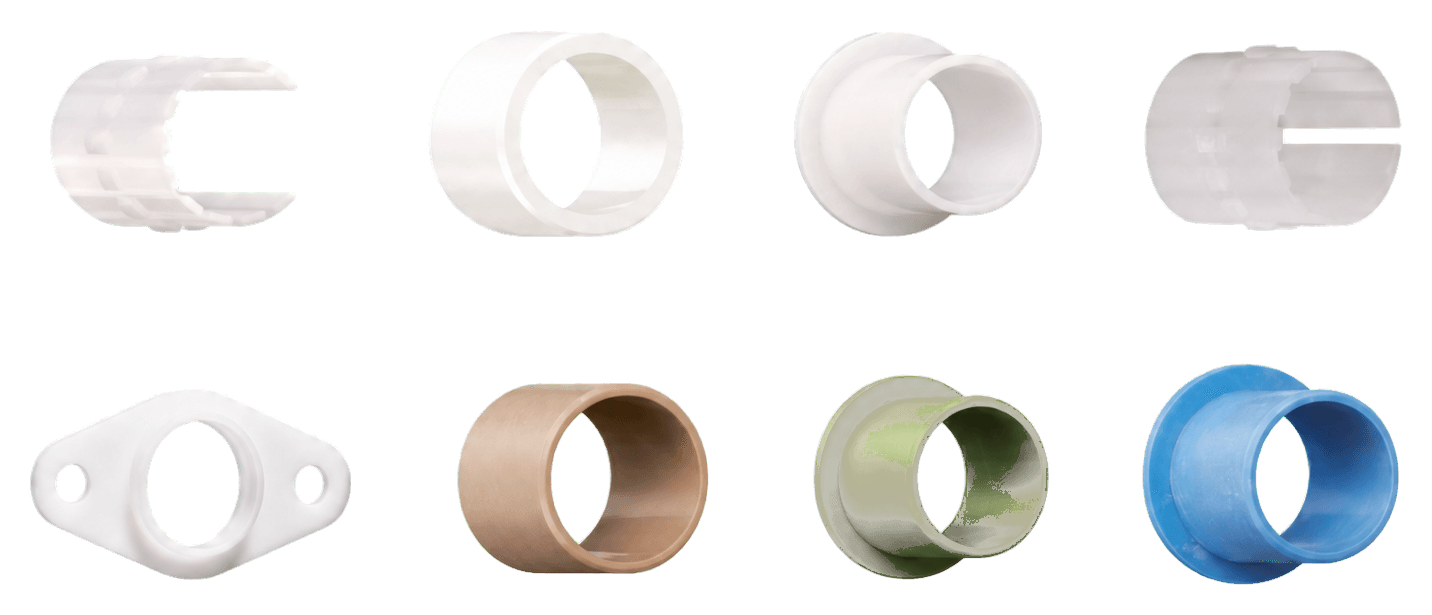
Concentricity, pressure matching amount, sliding stroke, and disassembly cycle determine dimensional retention, surface contact, and crack risk.
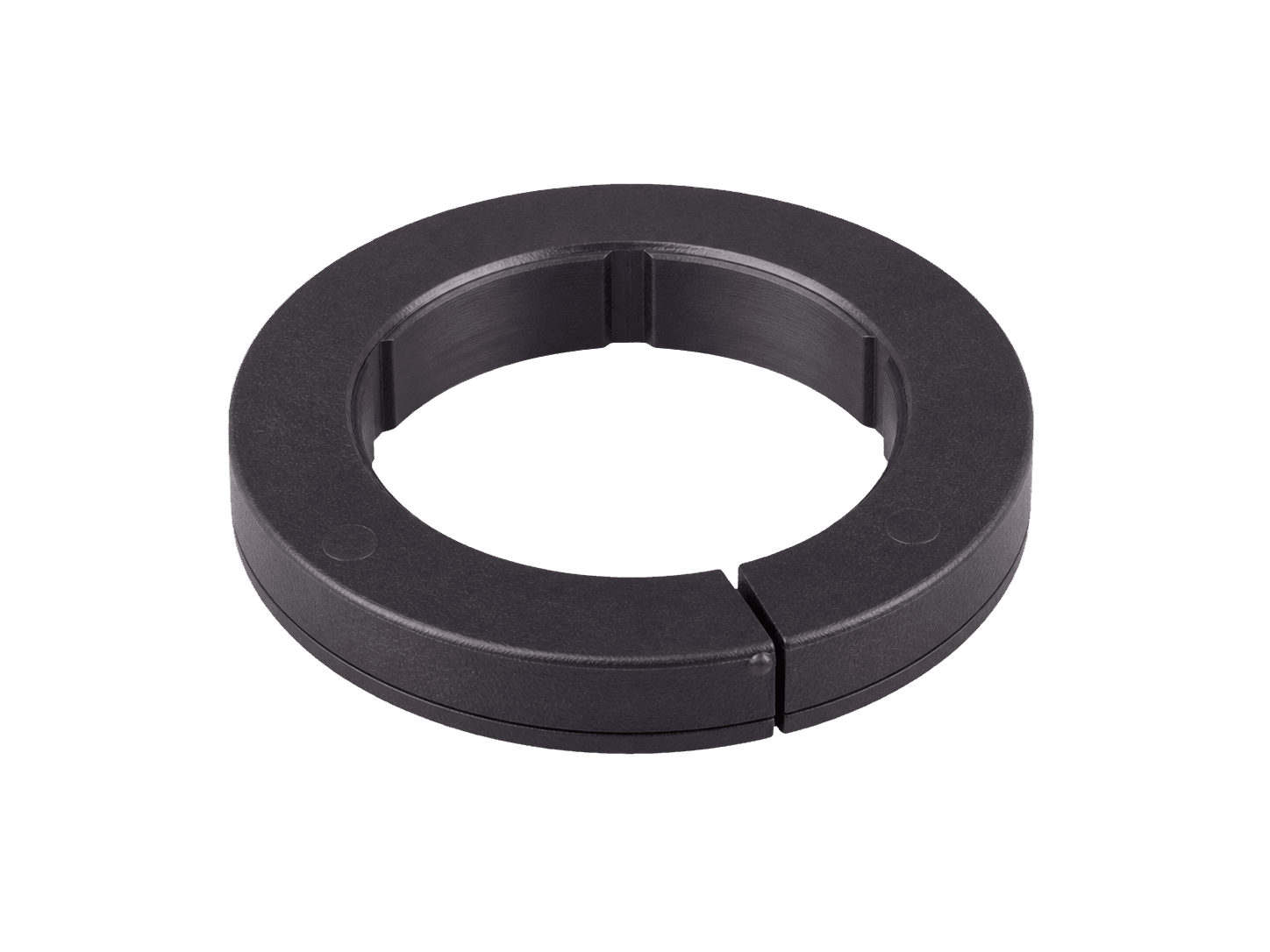
Guide clearance, uneven load, reciprocating speed, and surface contact determine the smoothness of movement, wear, and guiding accuracy.
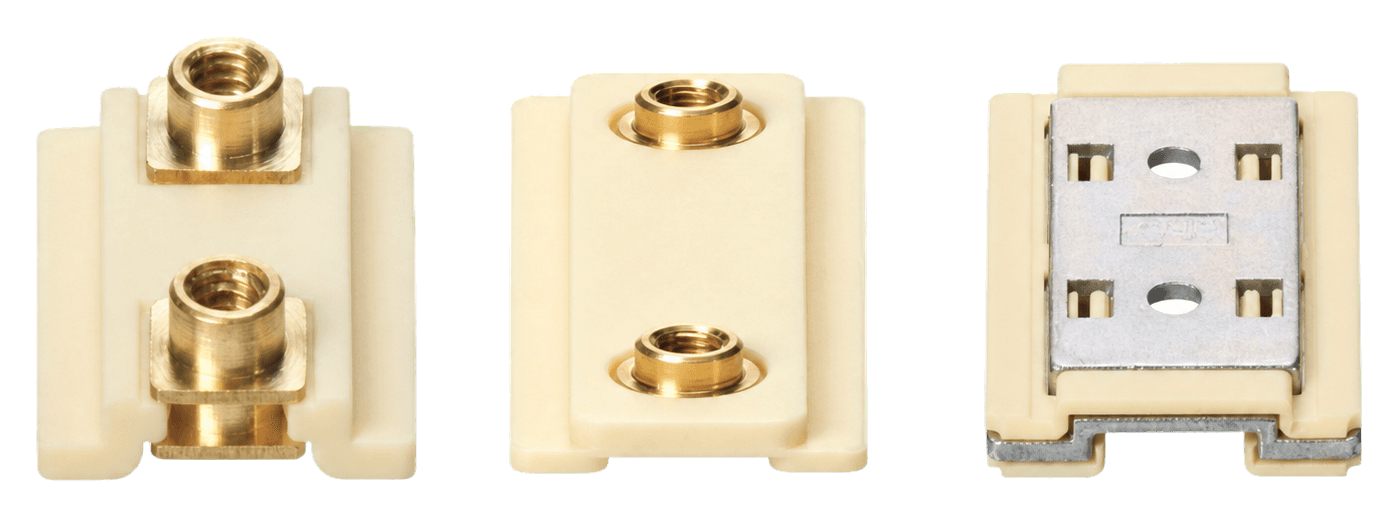
Contact area, load distribution, stroke, starting frequency, and dust environment determine changes in viscosity, wear, and clearance.
Material options
The following directions are used to form preliminary candidates and do not represent universal applicability to all moving parts. The specific grade still needs to be confirmed based on friction pairs, load, speed, environment, and sample results.
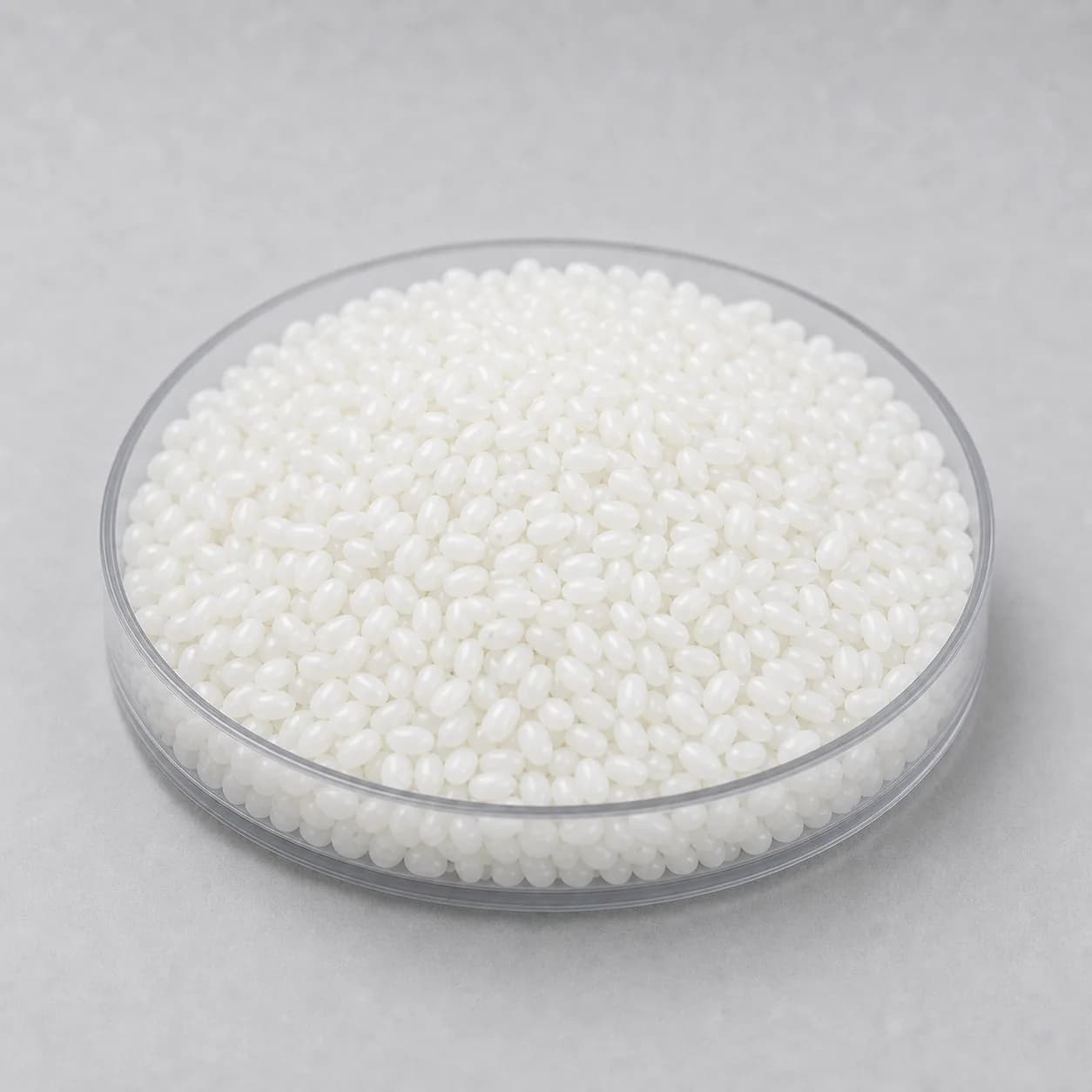
Gears, cams, or rollers become candidates when wear amount, lifespan, or clearance maintenance are the main issues during repeated contacts.
Consider low-friction options for bushings, guide rings, sleeves or sliders when friction, noise or stick-slip needs to be reduced; compare them using the actual mating surfaces and lubrication conditions.
The movement mechanism becomes a candidate when it simultaneously endures assembly impacts, sudden loads, or low-temperature operating conditions, and its rigidity and dimensional requirements are verified.
Next step
Share the part function, mating surfaces, load, speed, cycle count, lubrication, key dimensions and current failure mode. We can then organize the candidate range, open conditions, and grade-document or sample arrangements.