
POM Material Portfolio
Modified POM Compounds by Material Family
PLATFORM modified POM compounds cover gears, bushings and other precision molded parts with different wear, friction, impact, UV stability, reinforcement and electrical requirements. This directory provides material-family comparisons, listed grades and available technical documents.
Modified POM Directory
Wear, impact, reinforcement, electrical, and flow familiesChoose a POM Family by Part Need
PLATFORM POM families address different molded-part requirements. Compare listed grades and published data within each family.
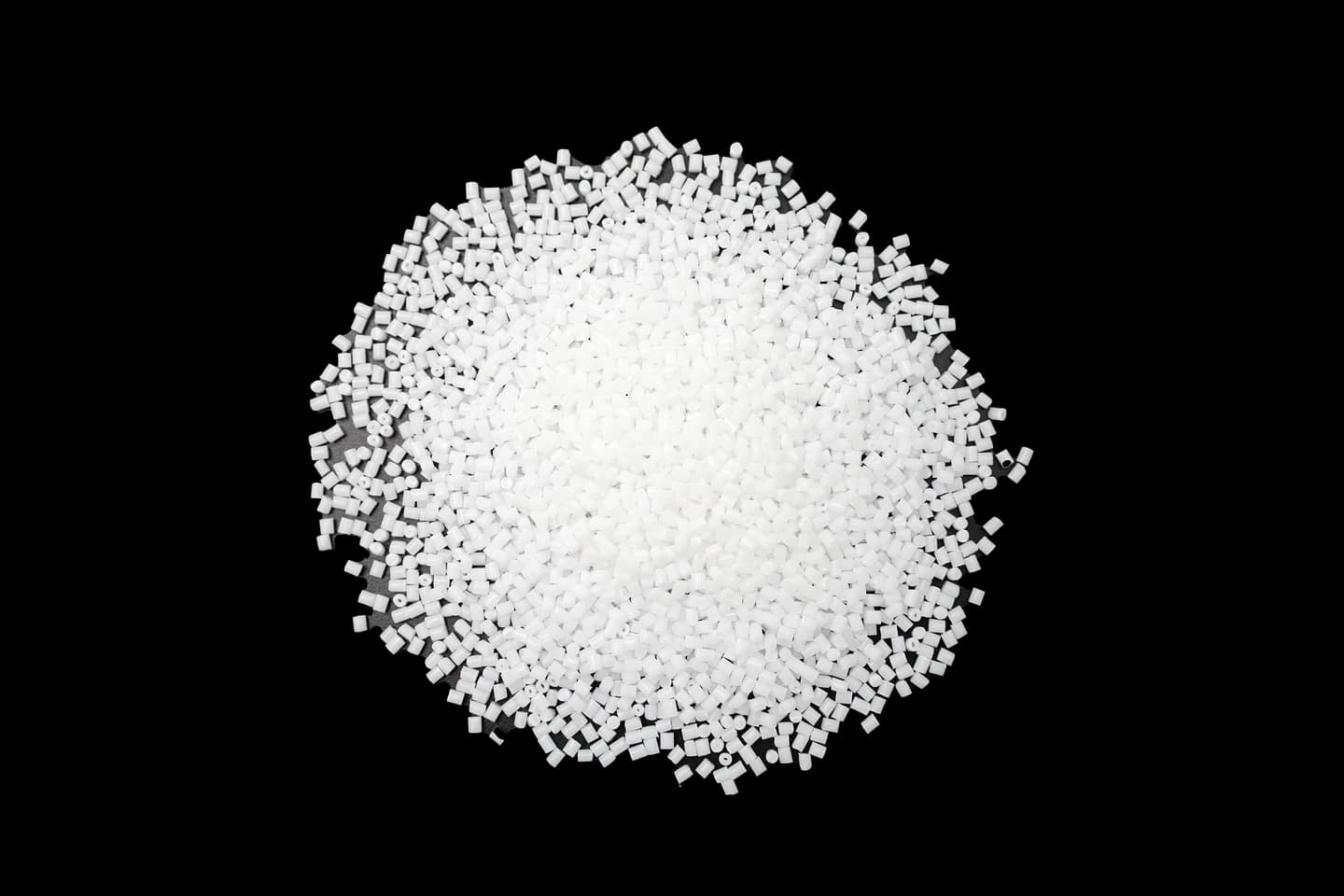
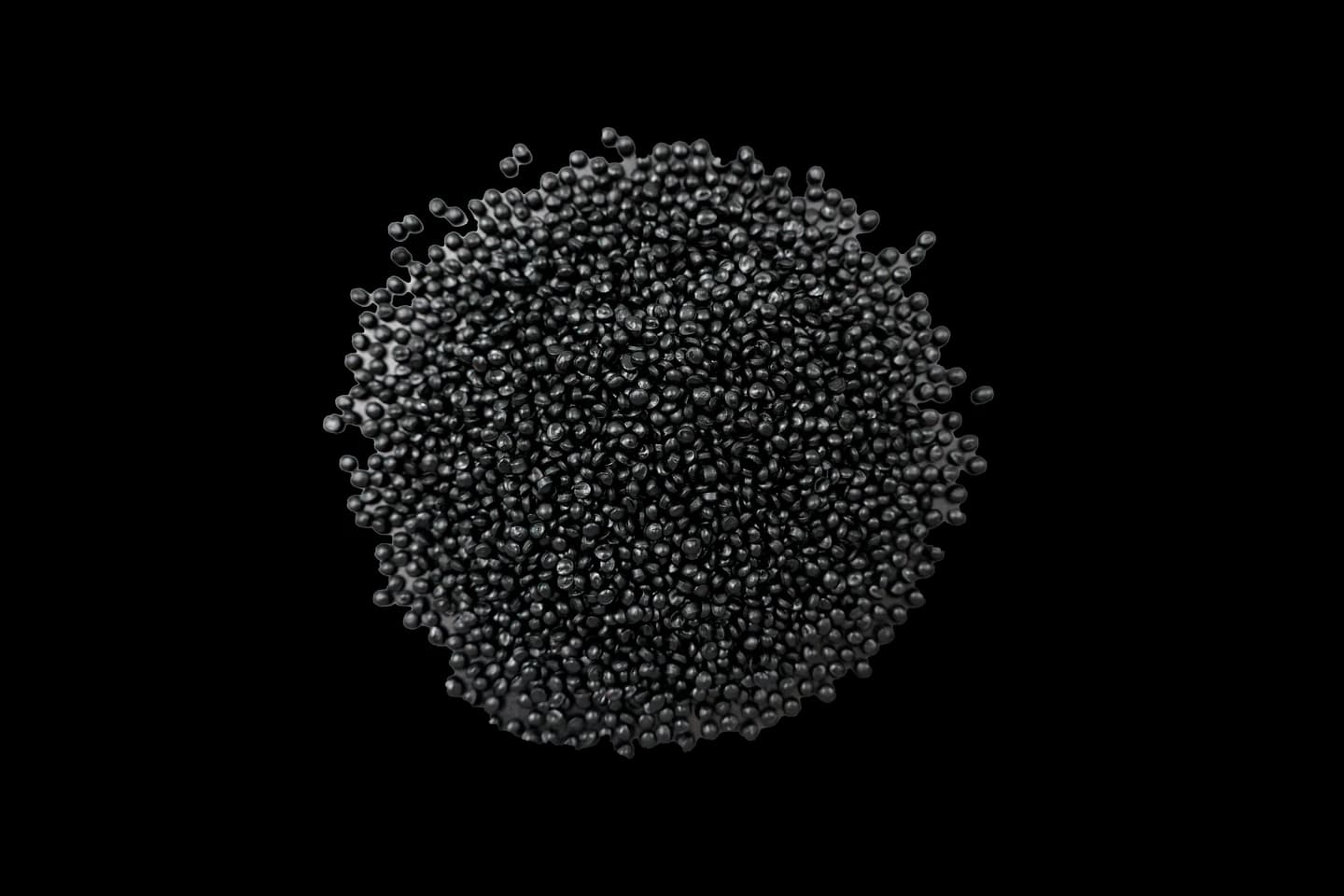
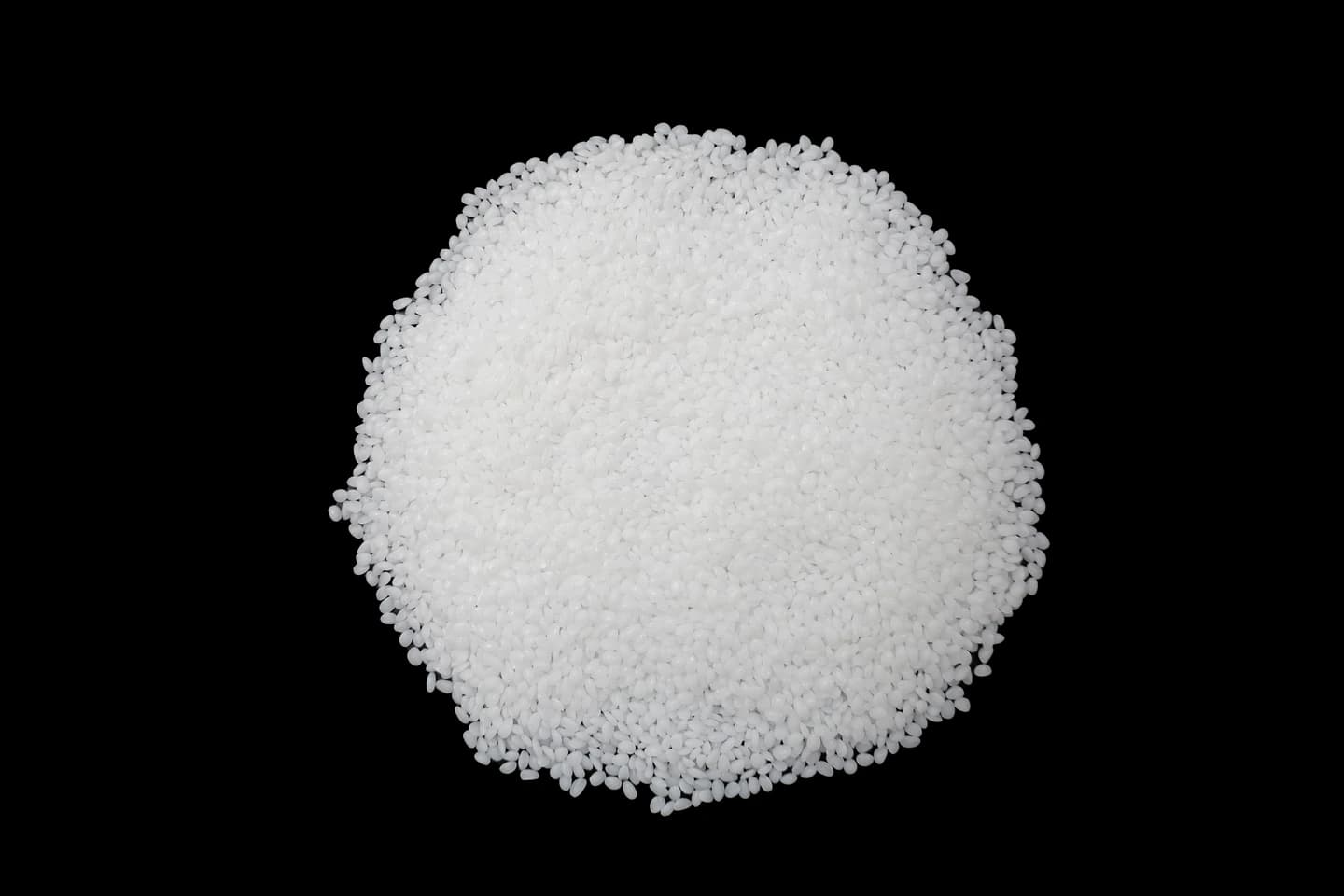
Movement & Durability
Friction, impact, and environmental exposure
Stiffness & Dimensional Control
Reinforcement, shrinkage, and molding stability
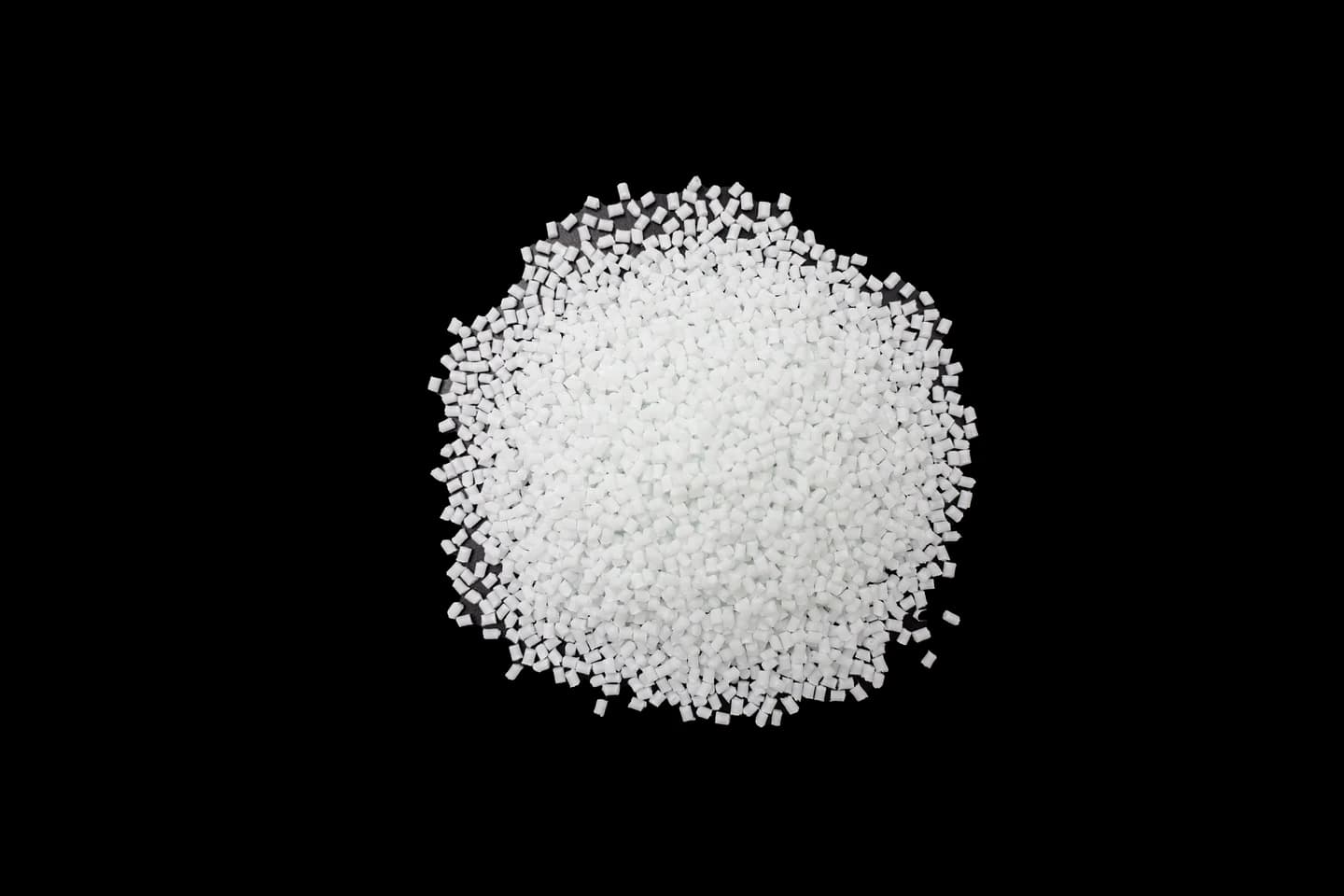
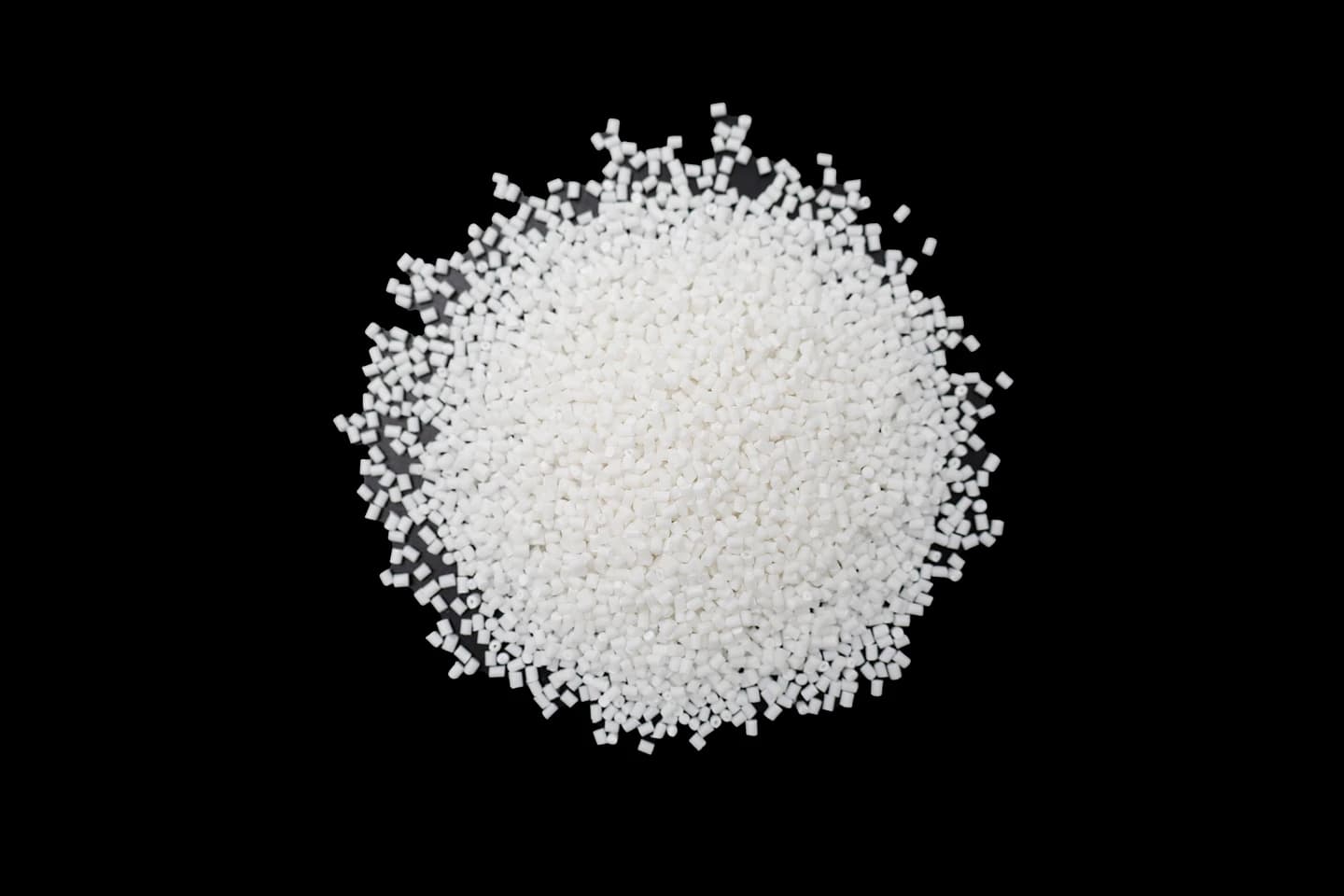
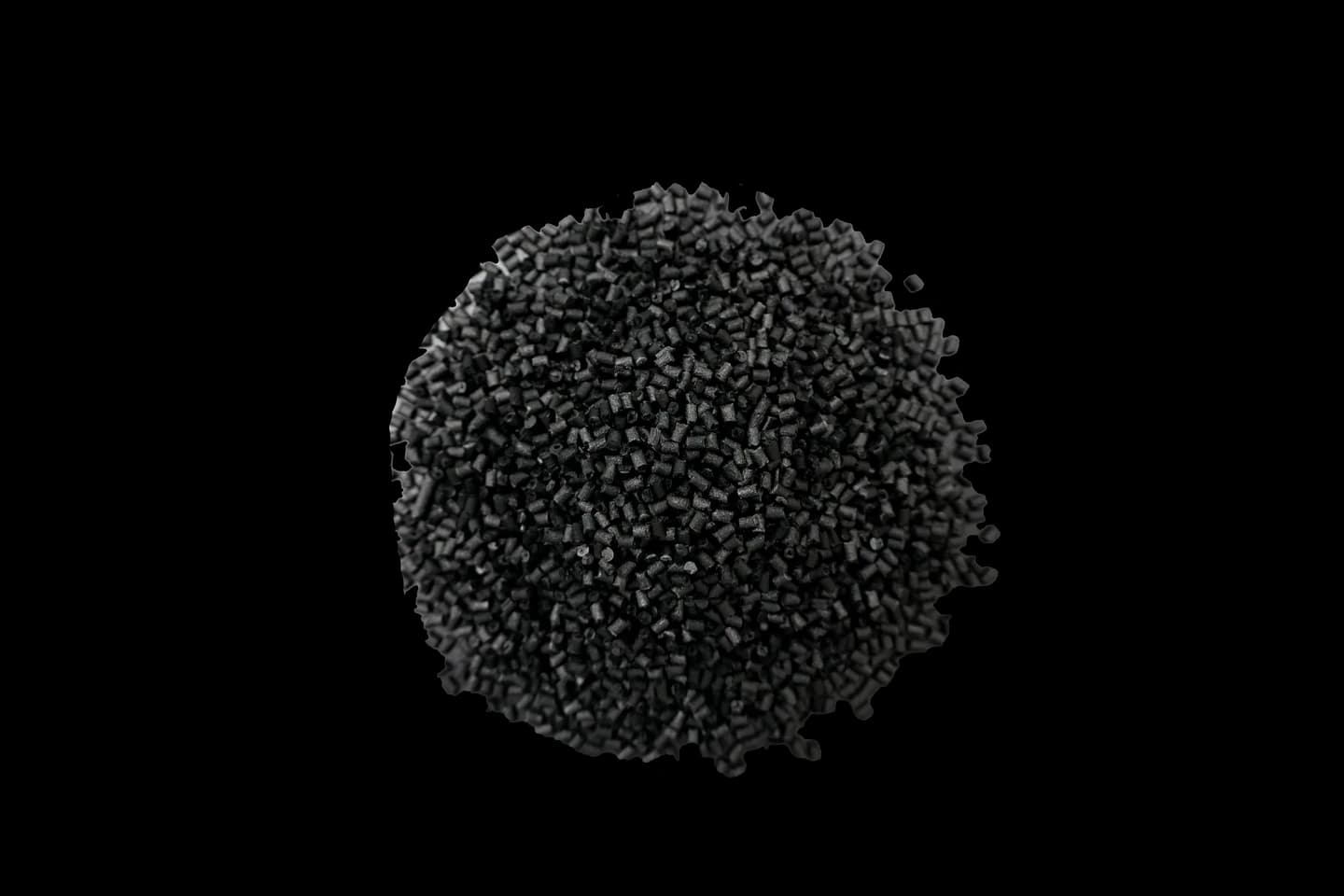
Function & Processing Baseline
Electrical behavior, base resin, and flow window
All POM Grade Data
Compare all listed POM grades here, or open a material family above for a focused category view.
Wear-Resistant POM Compound
ETM270H
Wear-modified POM for sliding and moving parts with tensile and flexural requirements. Compare the relevant mechanical data alongside contact wear and clearance retention.
- MFI
- 27 g/10 min
- Tensile
- 72 MPa
- HDT
- 96 °C
- Color
- Natural
Wear-Resistant POM Compound
EPAF100A
Aramid-fiber modified high wear-resistant POM compound for molded parts that need improved stiffness, wear resistance, and heat resistance.
- MFI
- 3.7 g/10 min
- Tensile
- 80 MPa
- HDT
- 136 °C
- Color
- Natural
Wear-Resistant POM Compound
EPTL402
PTFE-filled POM for bushings, gears and other sliding components where wear and friction are key material-selection factors.
- MFI
- 7.5 g/10 min
- Tensile
- 42 MPa
- HDT
- 100 °C
- Color
- Natural
Wear-Resistant POM Compound
ENM1040
High wear-resistant POM compound with a special wear-resistant additive package for sliding and functional molded parts.
- MFI
- 7 g/10 min
- Tensile
- 53 MPa
- HDT
- 90 °C
- Color
- Natural
Wear-Resistant POM Compound
EDM-111
Wear-modified POM for automotive, electrical, sanitary and industrial moving parts. Include EDM-111 in same-contact-pair trials when wear or clearance growth is the main failure.
- MFI
- 7 g/10 min
- Tensile
- 45 MPa
- HDT
- 100 °C
- Color
- Natural
Wear-Resistant POM Compound
EMS102
Black MoS2-modified wear-resistant POM. Start with EMS102 for complex flow paths or filling-sensitive parts: catalogue MFI 8 g/10 min and tensile strength 60 MPa.
- MFI
- 8 g/10 min
- Tensile
- 60 MPa
- HDT
- 113 °C
- Color
- Black
Wear-Resistant POM Compound
EMS162
Black MoS2-modified wear-resistant POM. Start with EMS162 for sliding and transmission parts where tensile strength is the main screening criterion: catalogue tensile strength 65 MPa and MFI 7 g/10 min.
- MFI
- 7 g/10 min
- Tensile
- 65 MPa
- HDT
- 115 °C
- Color
- Black
High-Impact POM Compound
EHI202T
High-impact and low-temperature resistant POM compound for automotive, electrical, sanitary, and industrial molded applications.
- MFI
- 8.5 g/10 min
- Tensile
- 55 MPa
- HDT
- 95 °C
- Color
- Natural
High-Impact POM Compound
EHI402T
High-impact and low-temperature resistant POM compound with improved toughness for functional molded parts.
- MFI
- 8 g/10 min
- Tensile
- 45 MPa
- HDT
- 70 °C
- Color
- Natural
High-Impact POM Compound
EHI602T
High-impact and low-temperature resistant POM compound for parts requiring stronger impact toughness and elongation.
- MFI
- 6 g/10 min
- Tensile
- 37 MPa
- HDT
- 66 °C
- Color
- Natural
Applications
Typical part families
Explore the application areas represented in the current material range.
View all applications →FAQ
Buyer Questions
What does modified POM mean?
Modified POM is a POM compound adjusted with selected additives, fillers, reinforcements, lubricants, impact modifiers, or electrical modifiers. Final suitability depends on the exact grade and application conditions.
Should buyers choose a material family or a grade first?
Start with the part function, movement, load, environment, dimensional target, and processing method to identify a relevant family. Then compare its grades by the properties and documents that govern the project.
Can Taiyi Polymer shortlist a grade from an application requirement?
Yes. Share the part, current material, target performance, mold information, document needs, and estimated volume so relevant grades can be shortlisted for project evaluation.
Project Inquiry
Compare Grades, Data & Samples
Share the part function, operating conditions, and molding constraints to compare relevant grades and confirm available data, documents, and samples.
01Part & Duty
02Mold & Process
03Data & Samples