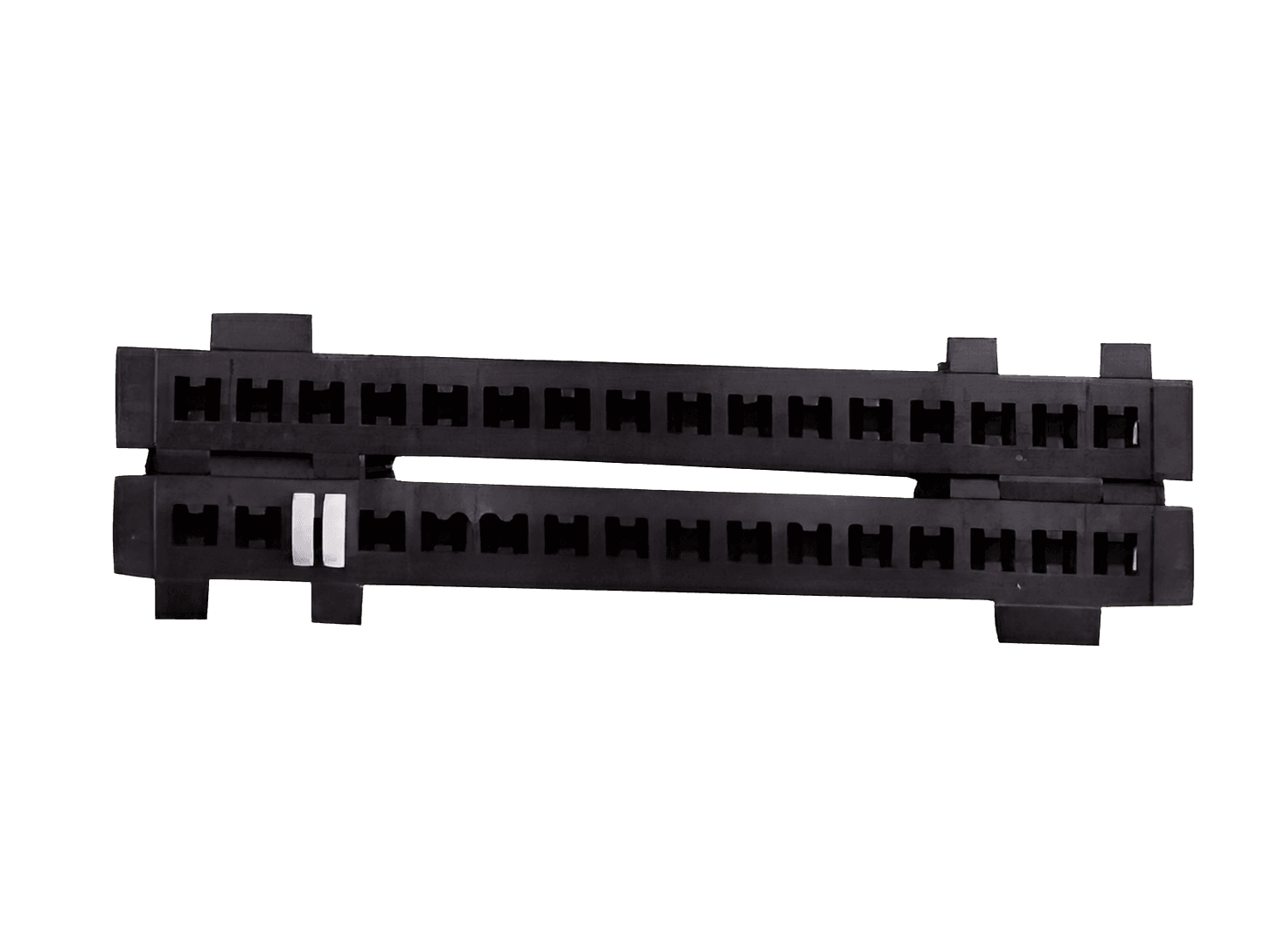
Yarn Guide
Fiber type, tension, speed, contact angle, and surface roughness determine yarn smoothness, hairiness, and guide surface wear.
Material selection for textile machinery components
Used in textile machinery and yarn or fabric conveying systems for wear-resistant guides, motion, and low-shrink injection-molded components.
Textile Machinery
Used in textile machinery and yarn or fabric conveying systems for wear-resistant guides, motion, and low-shrink injection-molded components.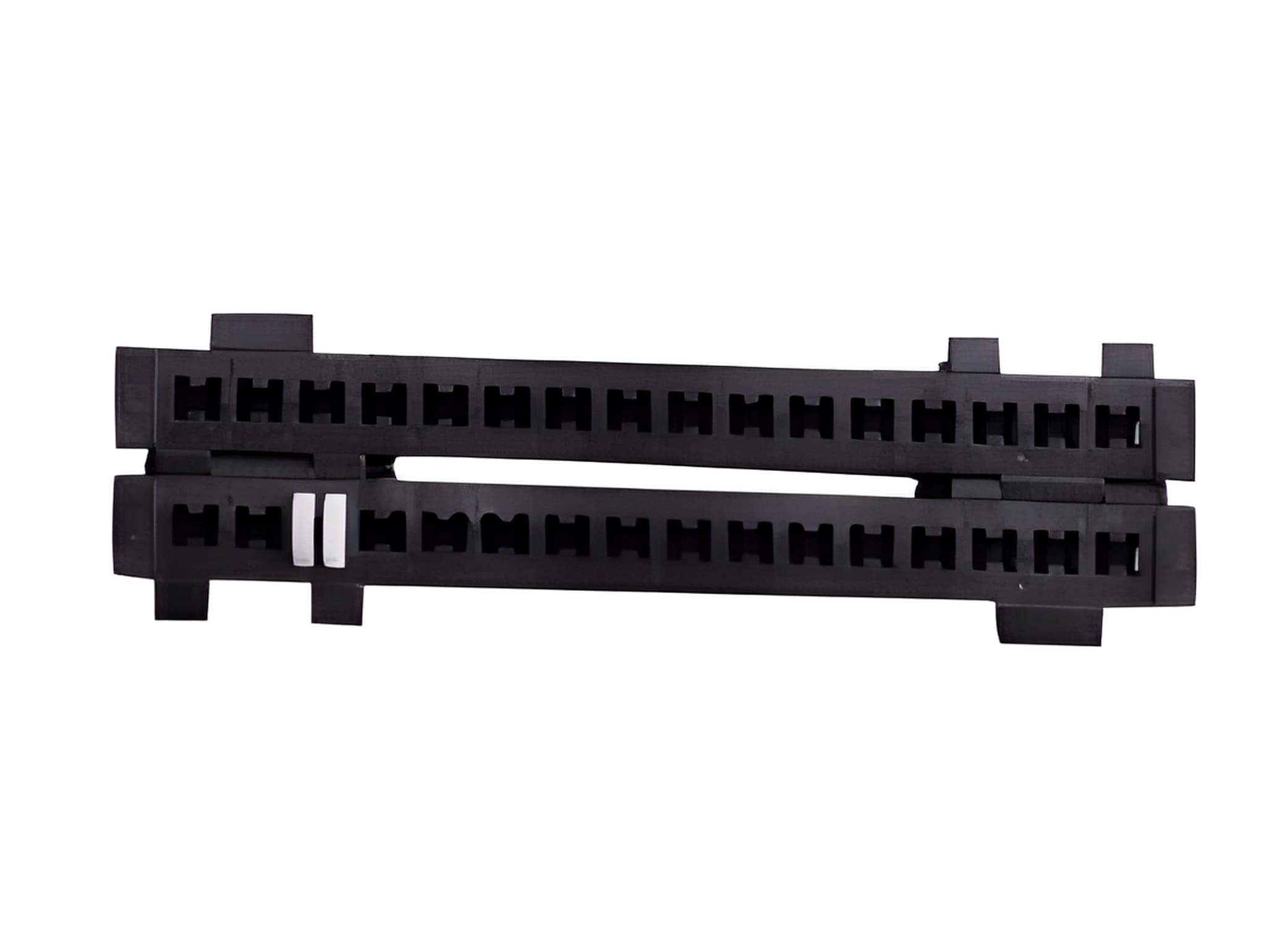
Typical components
Fiber type, tension, speed, contact angle, and surface roughness determine yarn smoothness, hairiness, and guide surface wear.
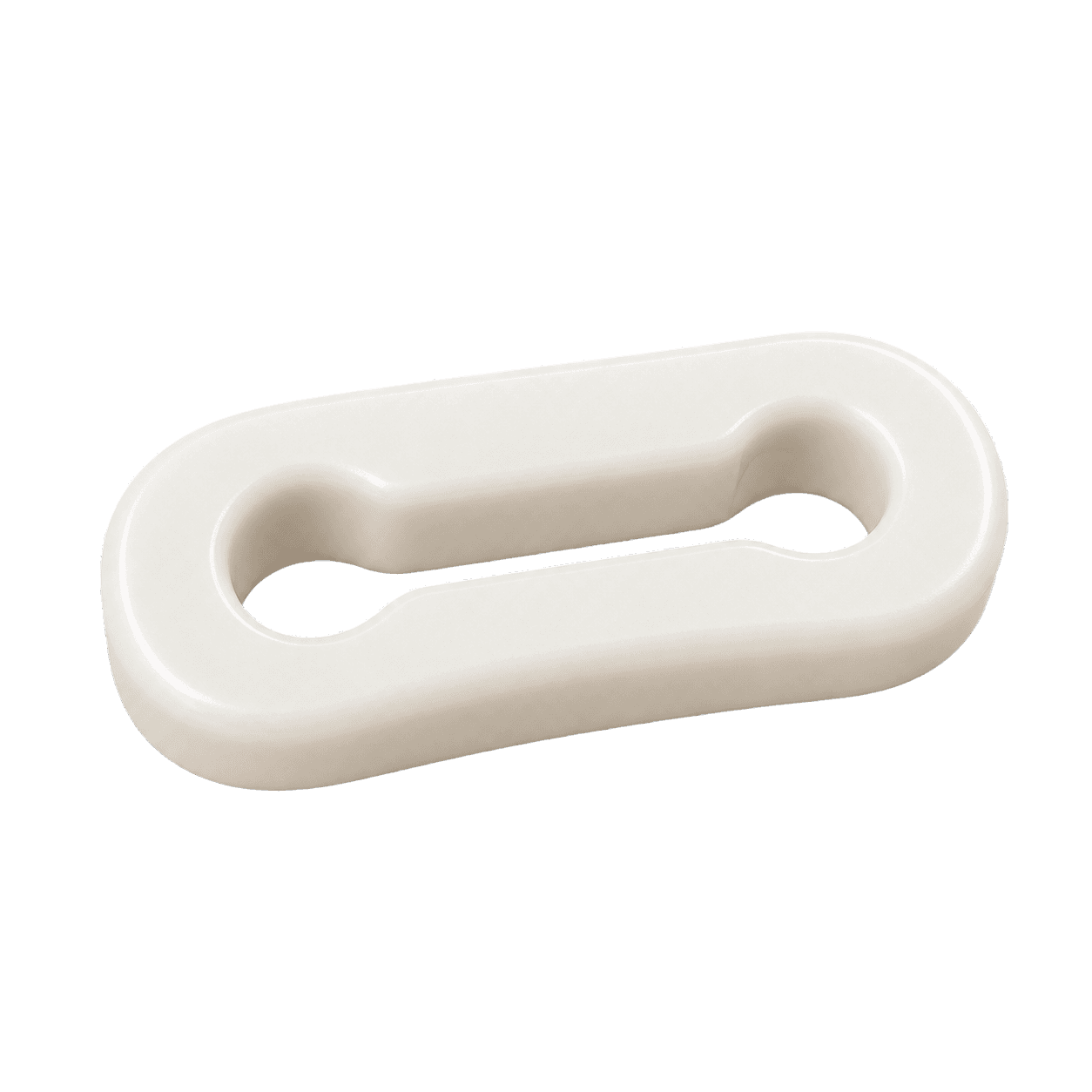
Fiber channels, airflow, dust, velocity, and surface condition determine fiber passage, dust accumulation, and channel wear.
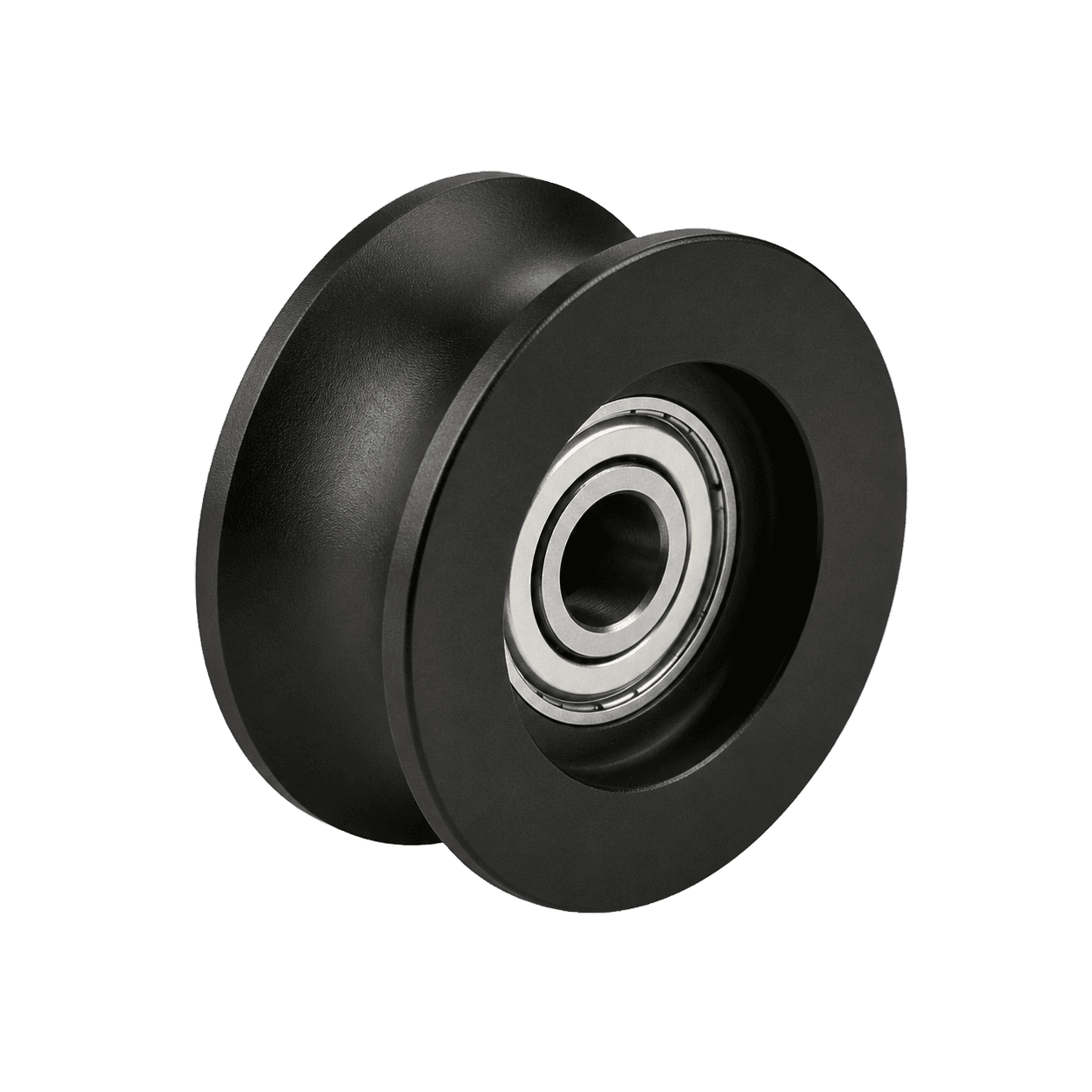
The slot profile, bearing fit, linear velocity, tension, and continuous operating temperature rise determine the yarn's contact and rotational stability.
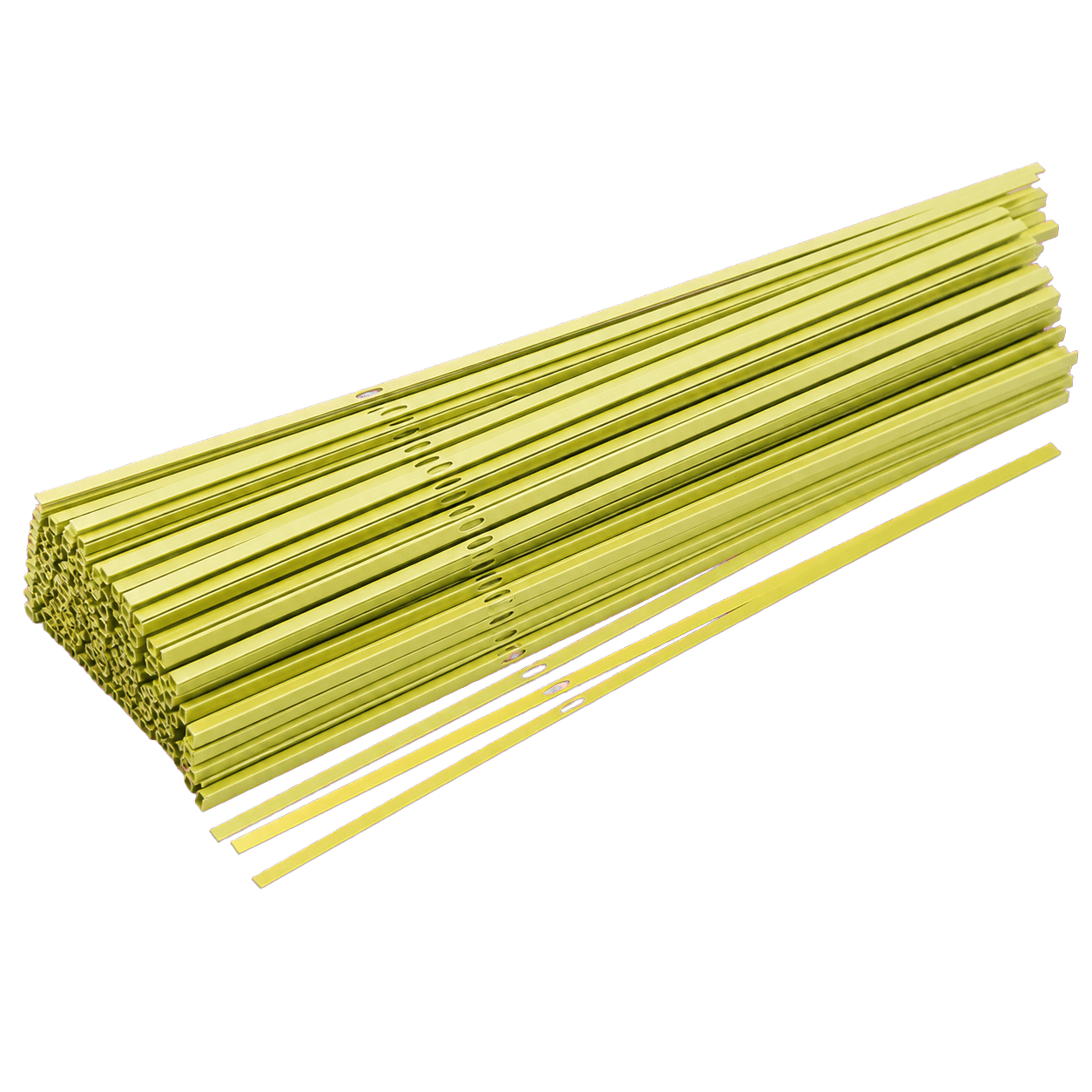
Comprehensive eye size, straightness, warp tension, and reciprocating frequency determine contact wear, yarn splitting stability, and dimensional consistency.
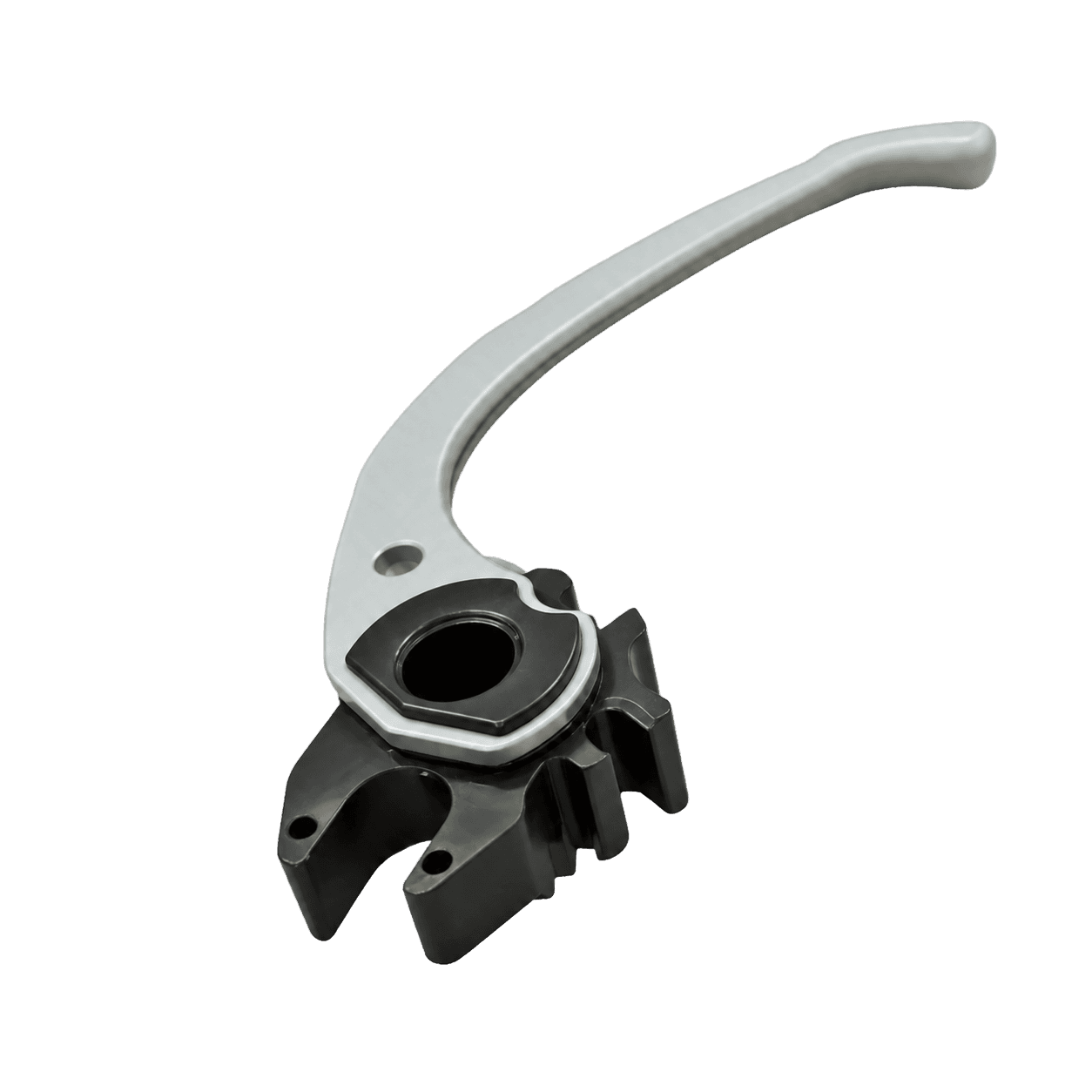
Shaft fit, lifting load, boom length, start-stop impact, and cycle count determine rigidity, wear, and repeatability of actuation positions.
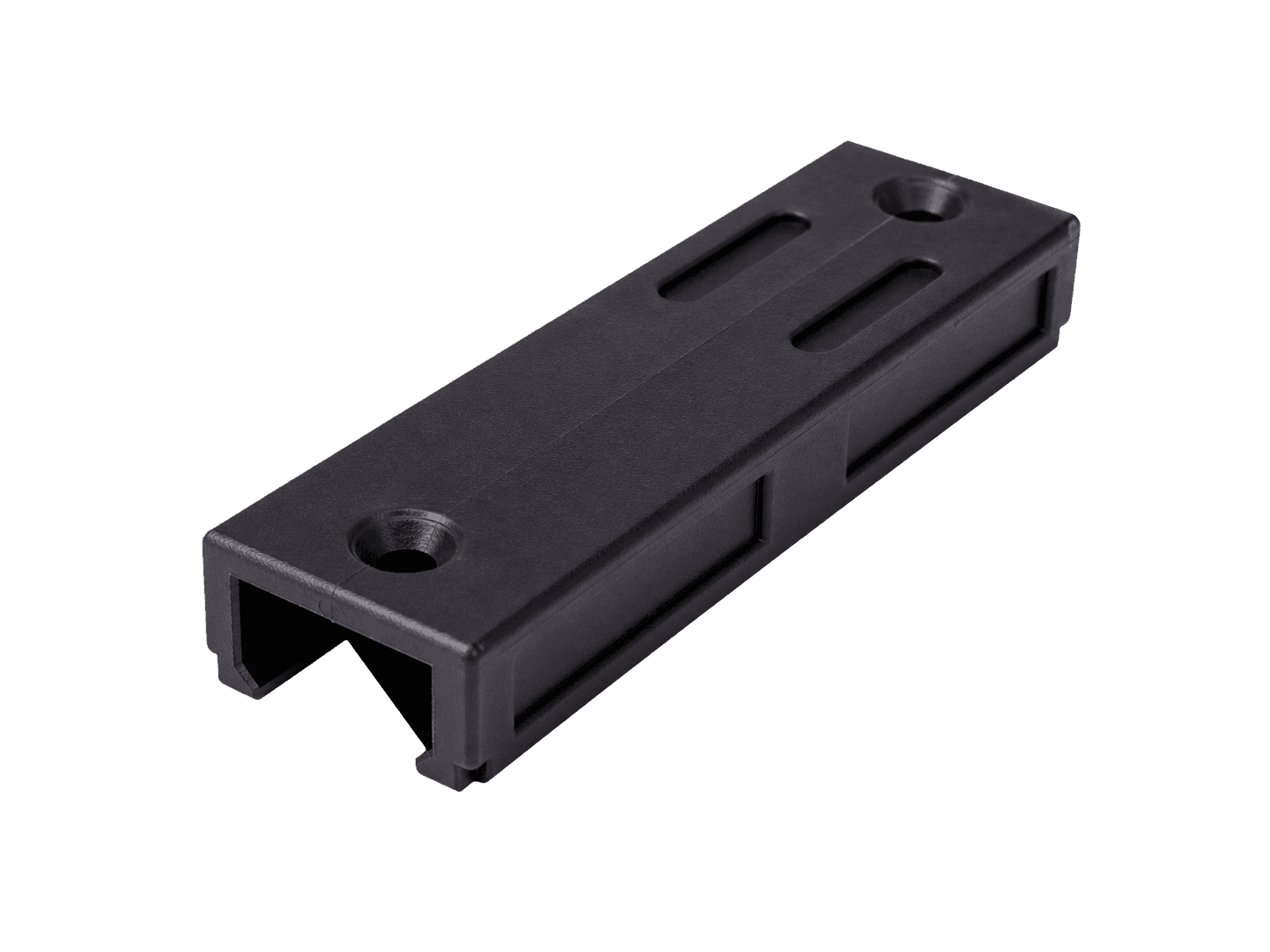
Guide clearance, load, stroke, frequency, dust, and lubrication state determine the stickiness, wear, and maintenance of assembly accuracy.
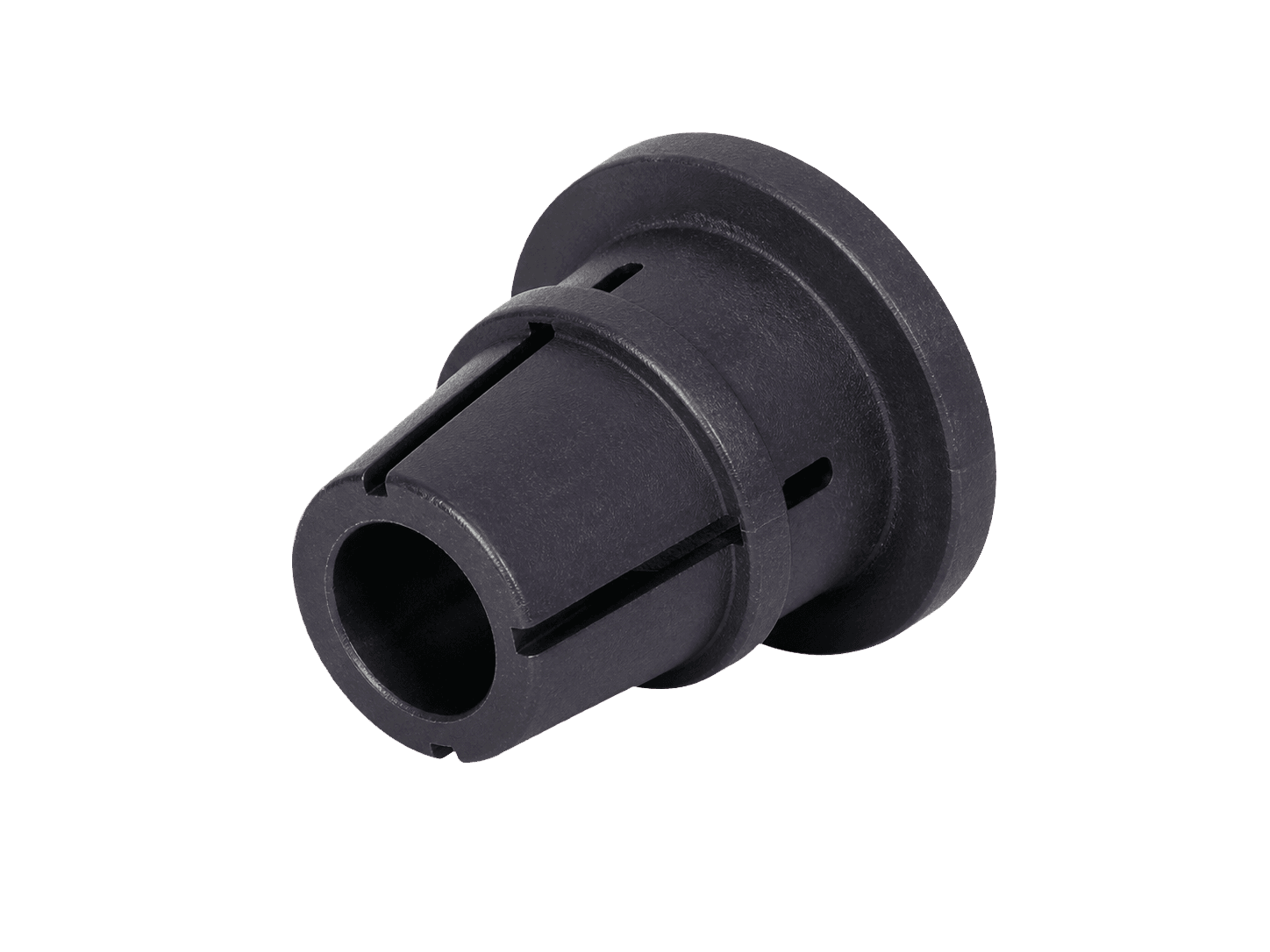
Tube weight, loading and unloading frequency, rotational speed, shaft fit, and impact determine holding force, concentricity, and support durability.
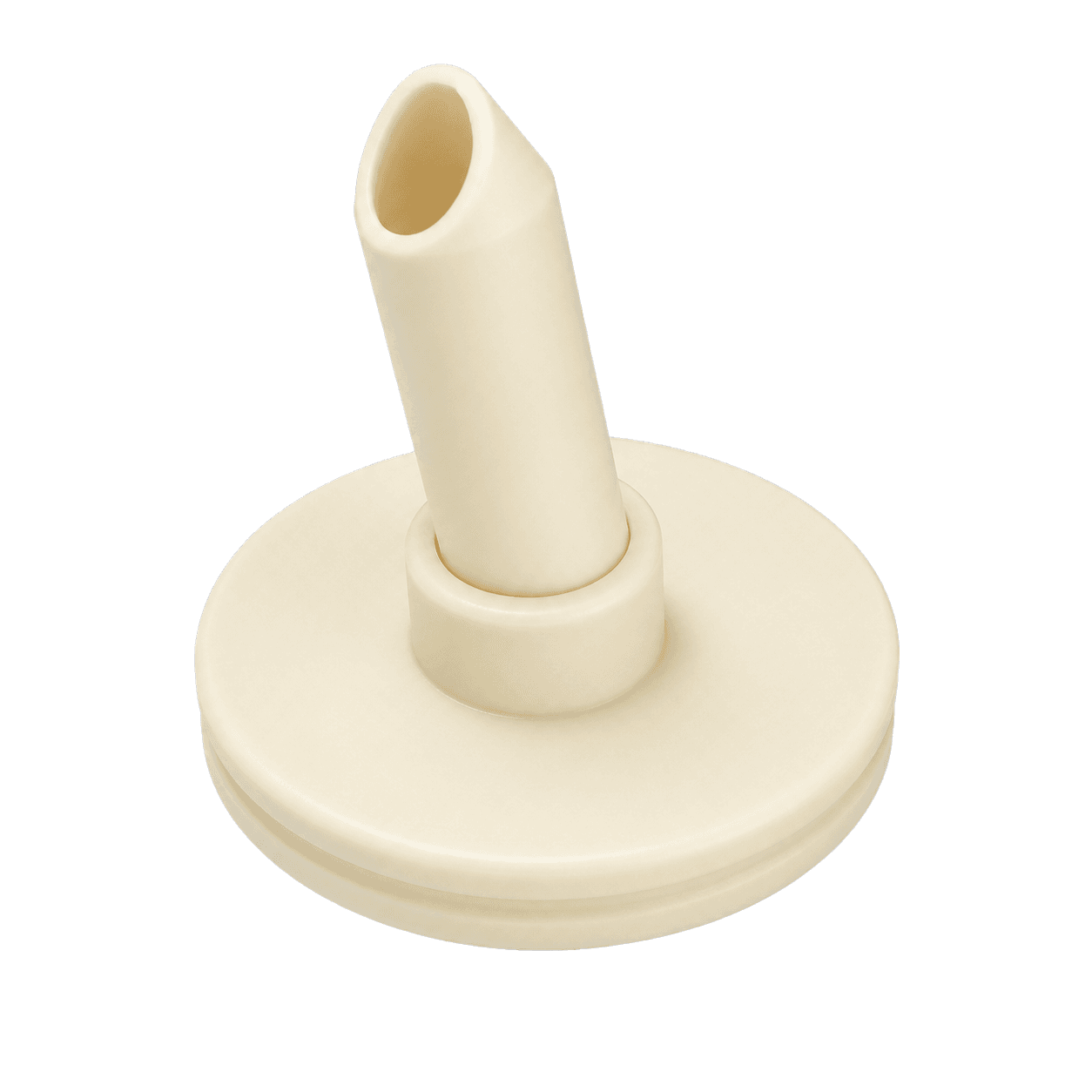
Flange positioning, sleeve alignment, shaft clearance, rotational speed, and vibration determine the rigidity of the support and the stability of repeated rotation.
Material options
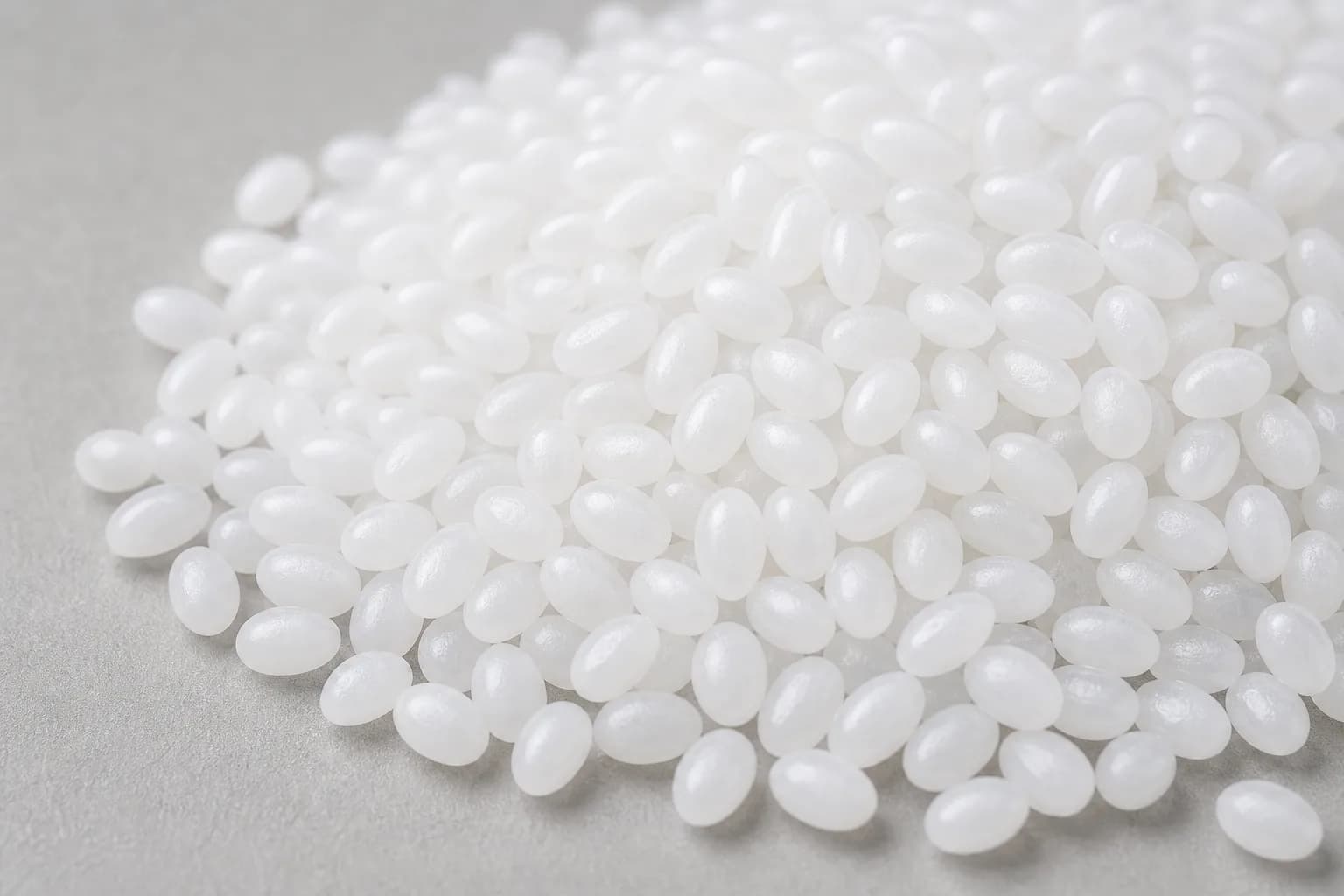
The following directions are intended to establish preliminary candidates and do not represent universal applicability to all textile machinery components. The specific grade still needs to be confirmed based on fiber, tension, speed, surface, and sample results.
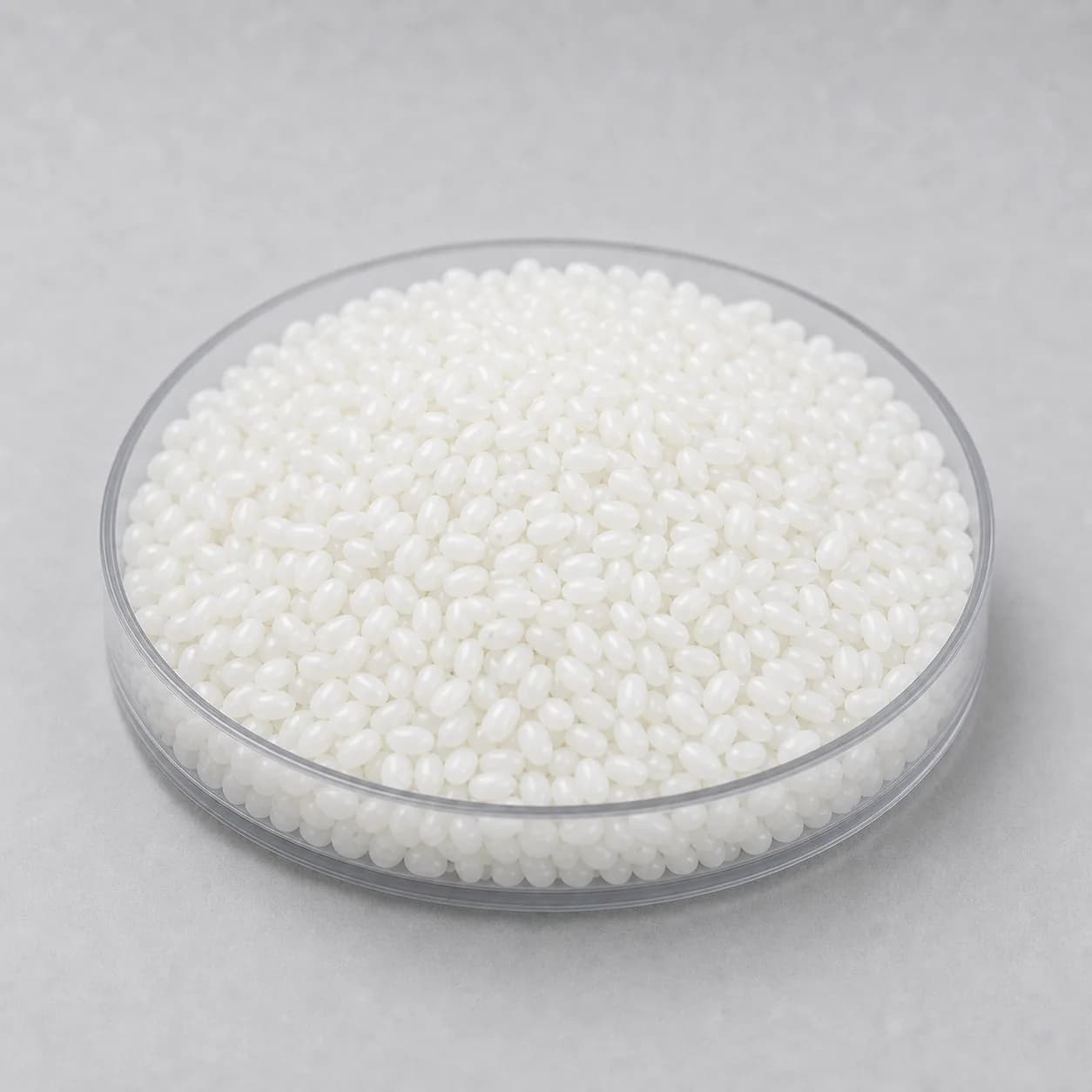
Guides, sliding, or rotating parts are considered candidates when surface wear, contour retention, or lifespan are the main concerns.
Guide elements, rollers, or sliders enter the candidate when friction, tension fluctuations, noise, or slipping are needed.
Supports or actuators enter candidate positions when they need to improve rigidity, reduce deformation, or control assembly dimensions, and evaluate fiber orientation and surface impact.
Next step
Share the yarn or fiber type, process, speed, tension, contact path, surface requirement, key dimensions and current wear. We can then organize the candidate range, open conditions, and grade-document or sample arrangements.