
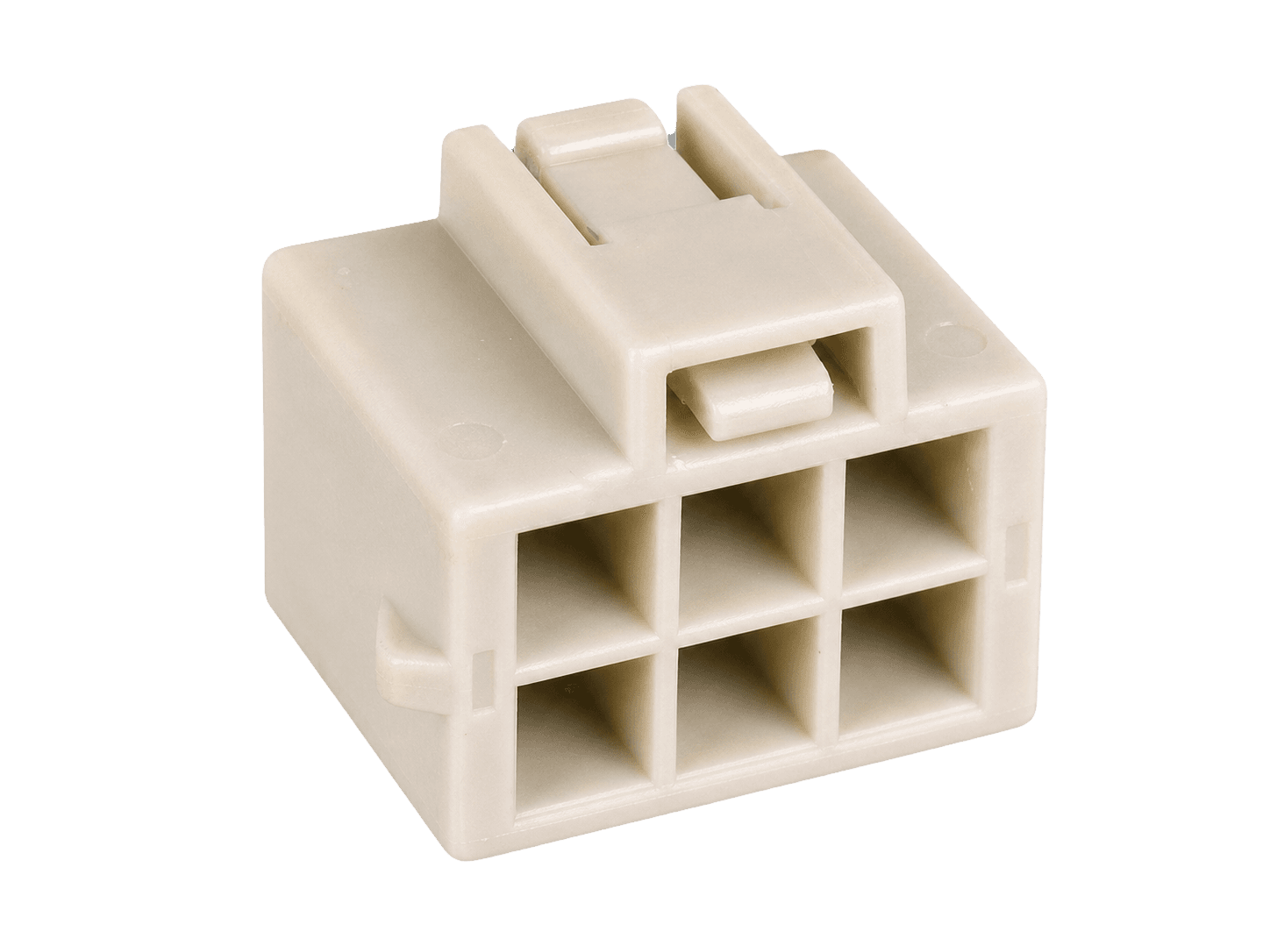
Connector housing
Terminal spacing, retention force, thin-wall filling, mating cycles and electrical requirements shape the dimensional, processing and material-selection priorities.
Material selection for electronic and electrical components
Precision injection-molded components for electrical connection, insulation, control and actuation. When static control is required, screen conductive or antistatic compound options against the defined electrical target.
Electronics & Electrical
Precision injection-molded components for electrical connection, insulation, control and actuation. When static control is required, screen conductive or antistatic compound options against the defined electrical target.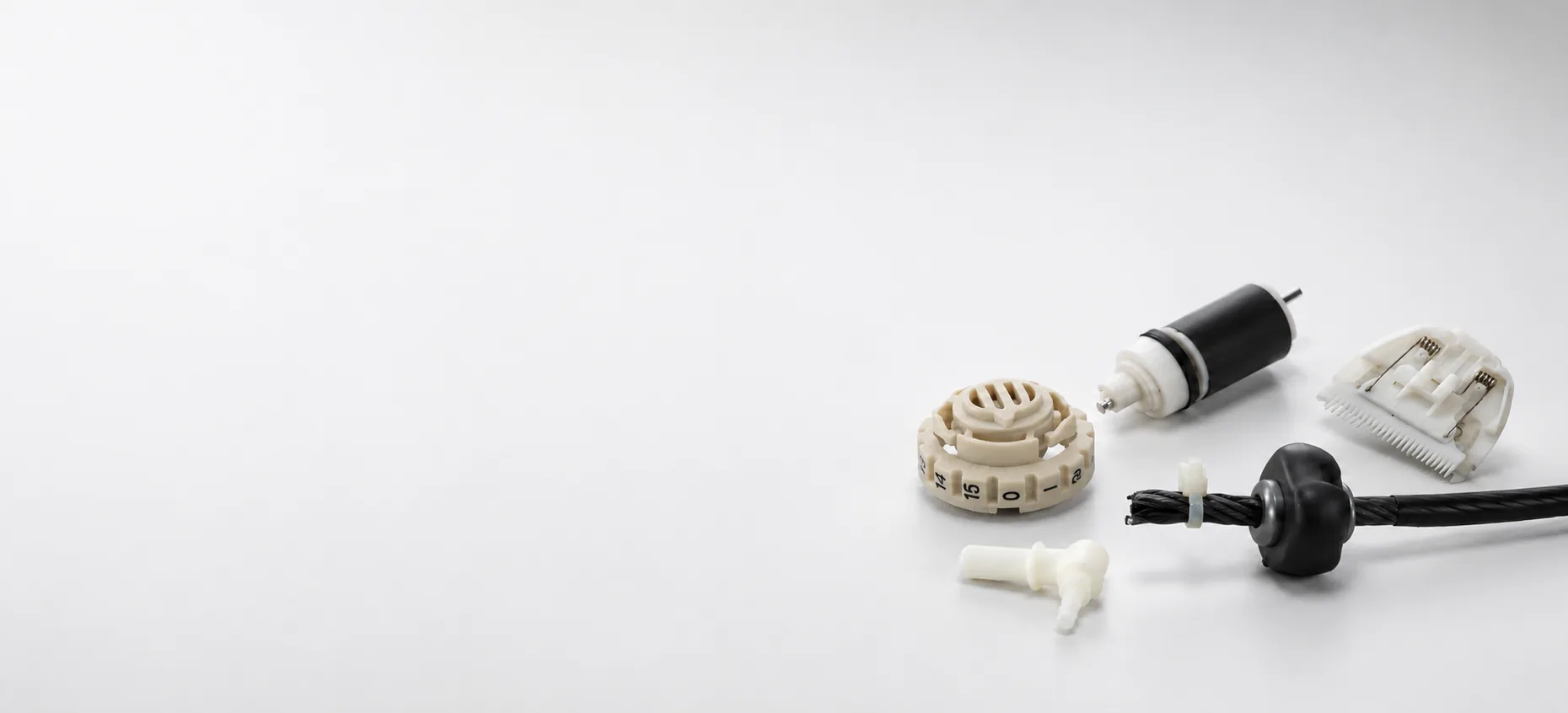
Typical components
Terminal spacing, retention force, thin-wall filling, mating cycles and electrical requirements shape the dimensional, processing and material-selection priorities.
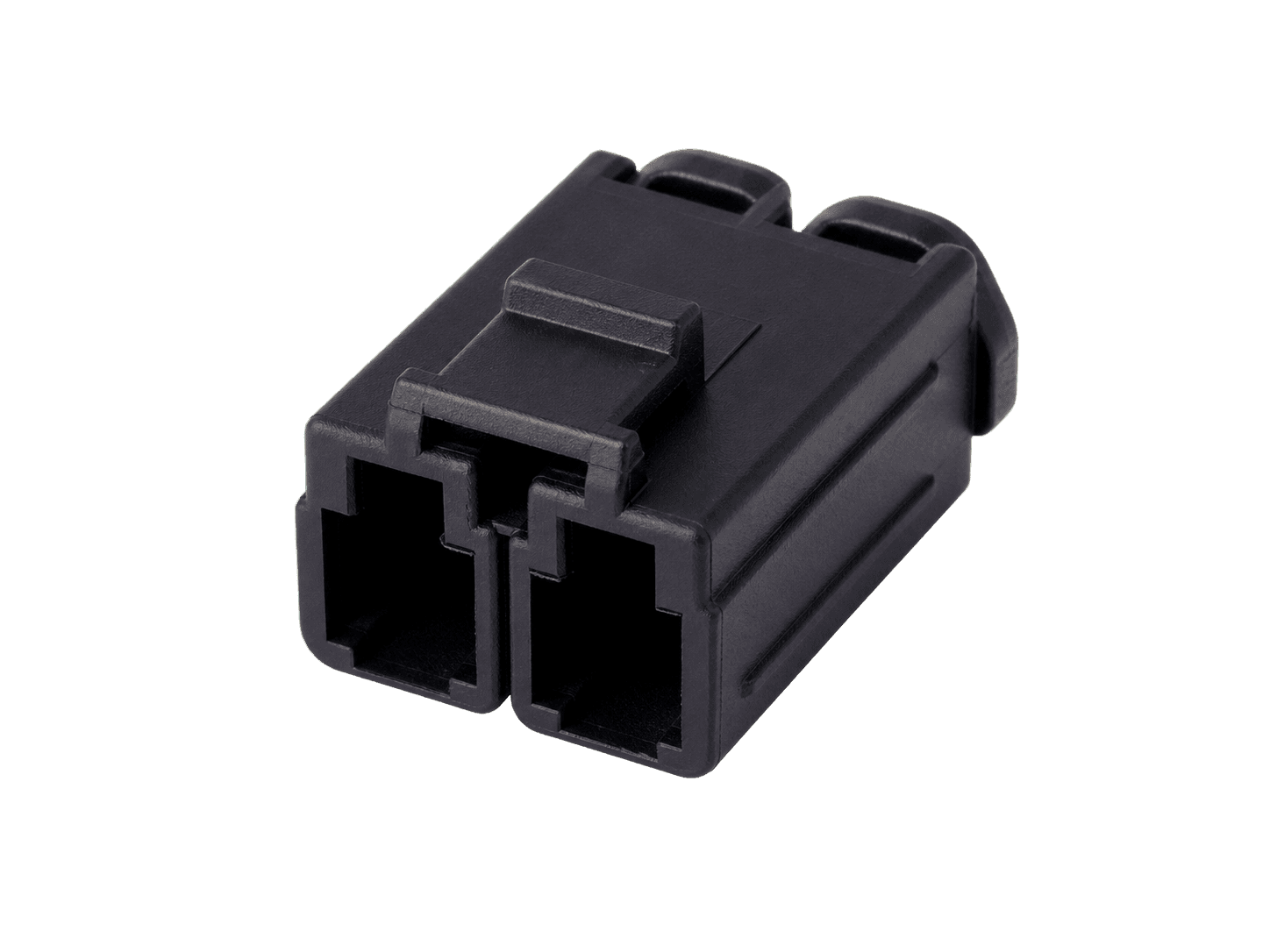
Maintaining structure, creepage or spacing design, dimensional consistency, and assembly clearance determine the focus of material and molding control.
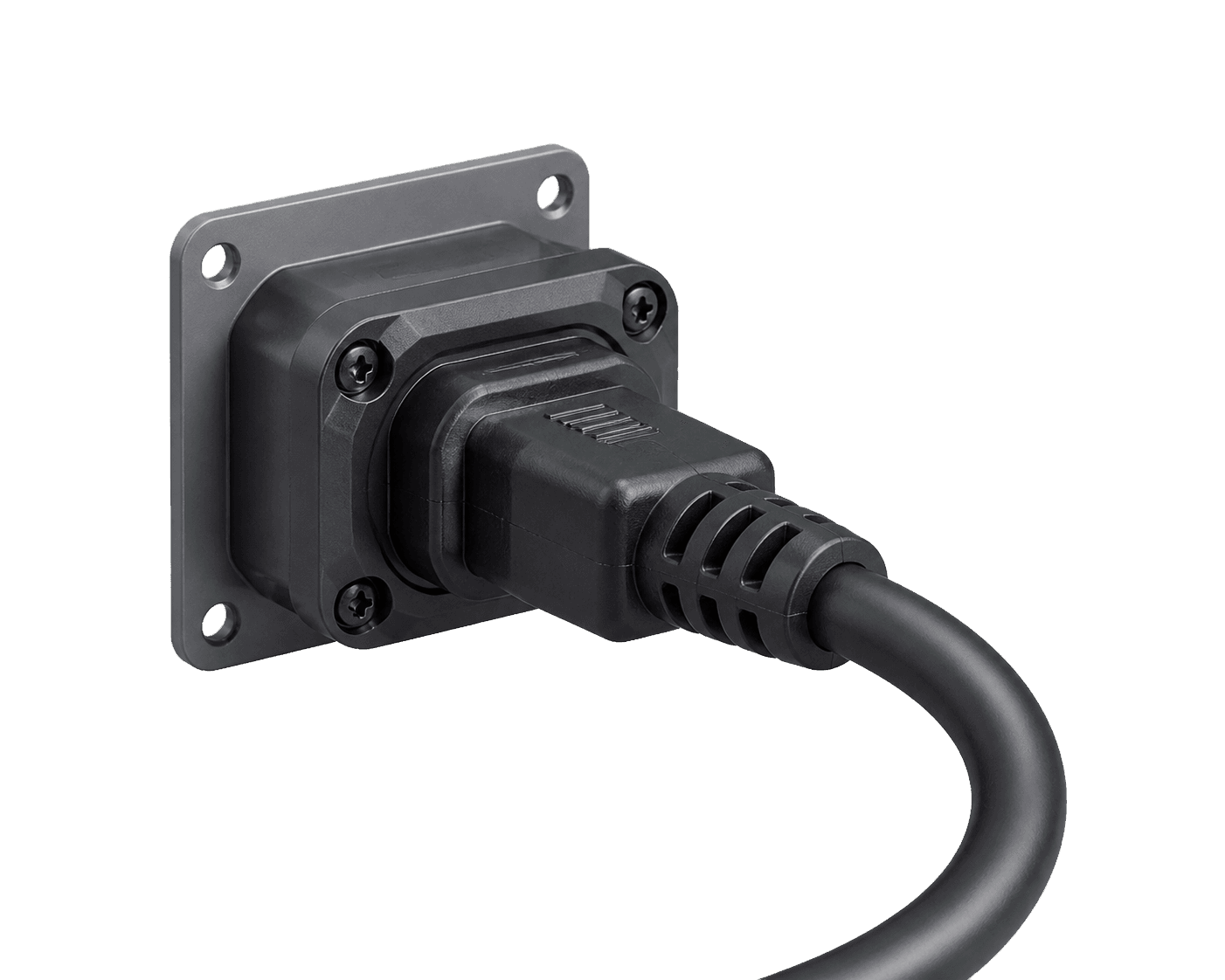
Connection maintenance, stress relief, cable alignment, panel fit, and environmental conditions determine structural and dimensional requirements.
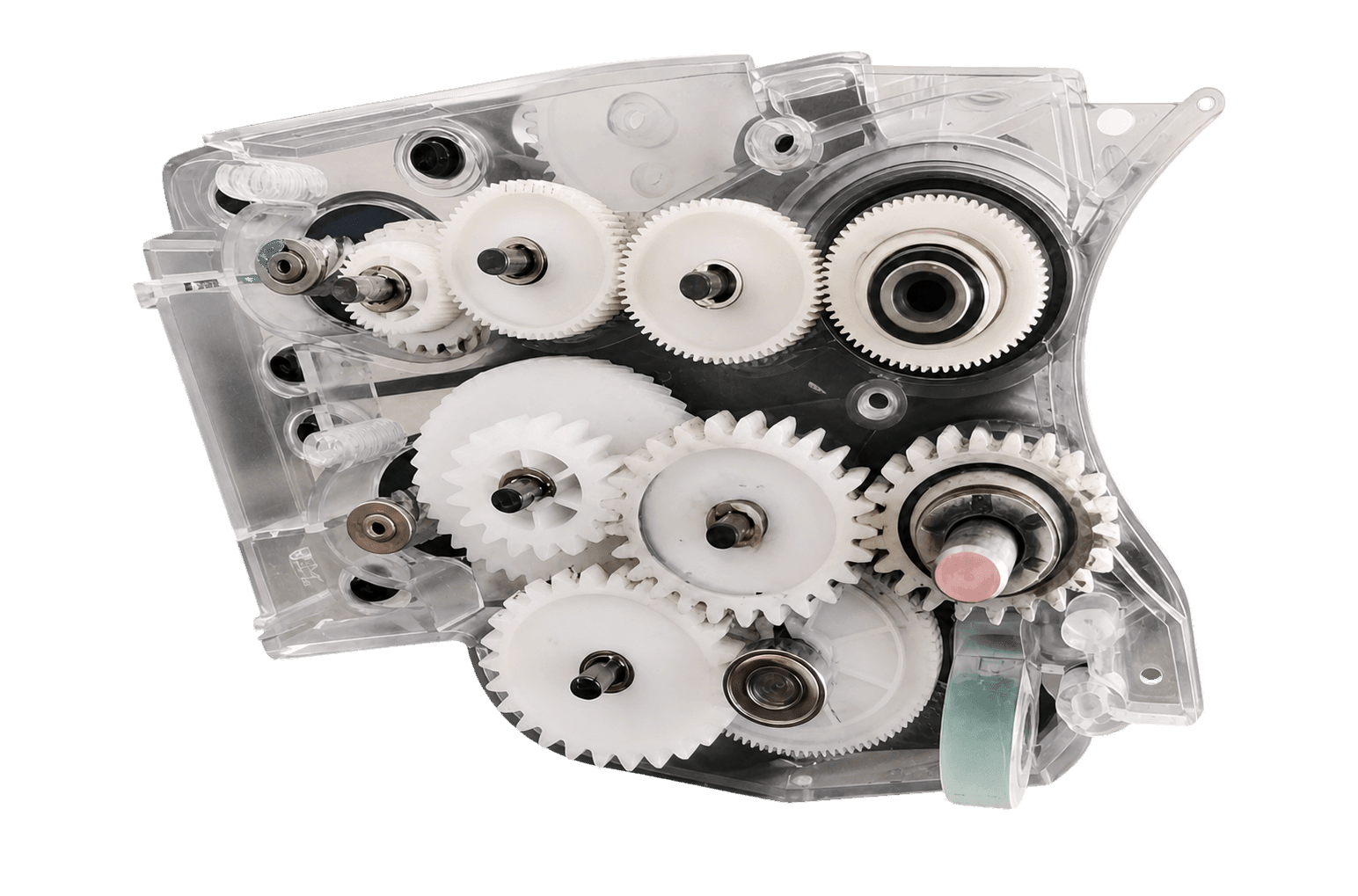
Gear meshing, speed, cycle count, noise, and toner environment determine wear, rotational accuracy, and dimensional retention.
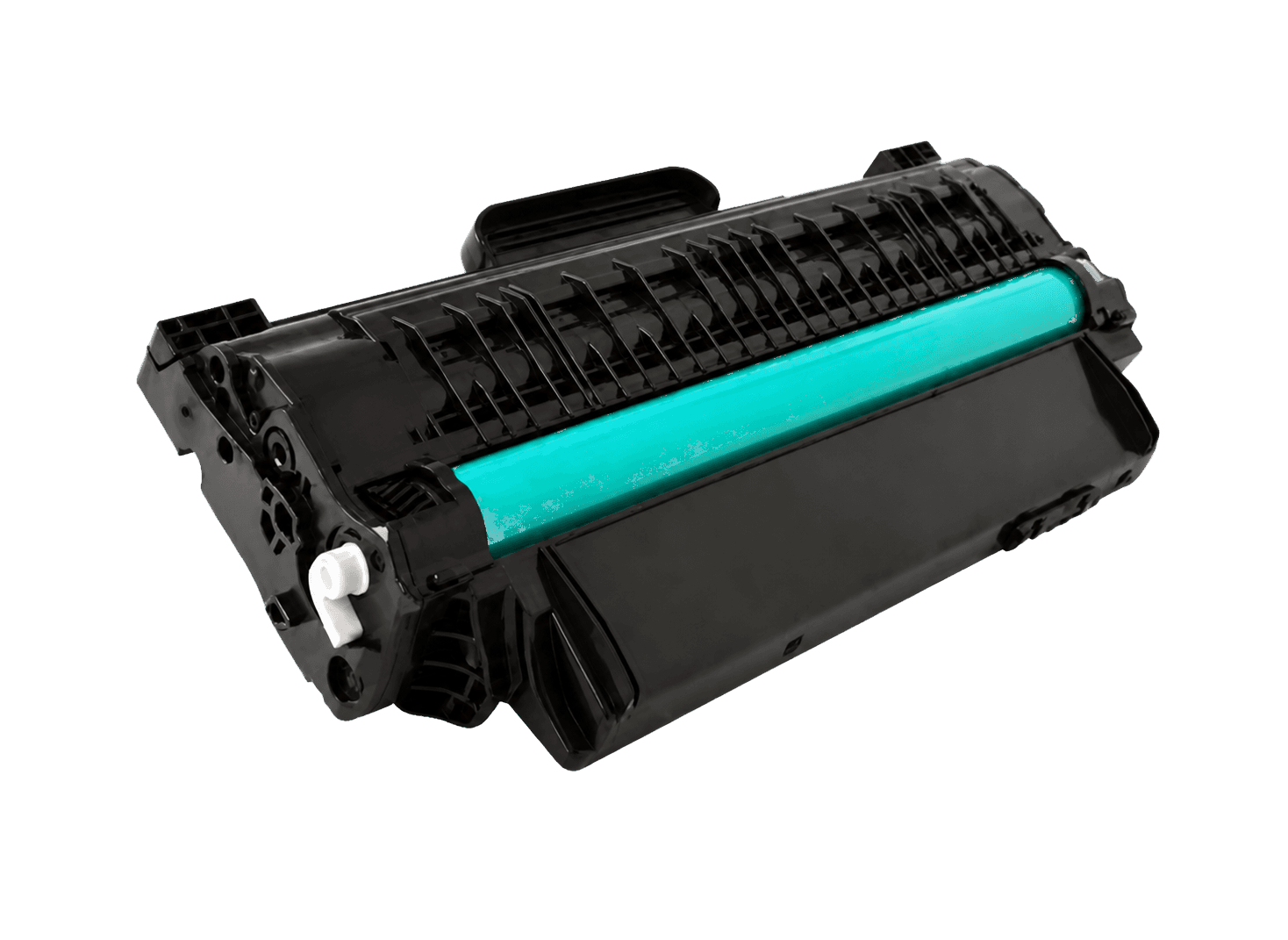
Gear supports, shaft alignment, dust, load, and replacement cycles determine friction, wear, and assembly stability.
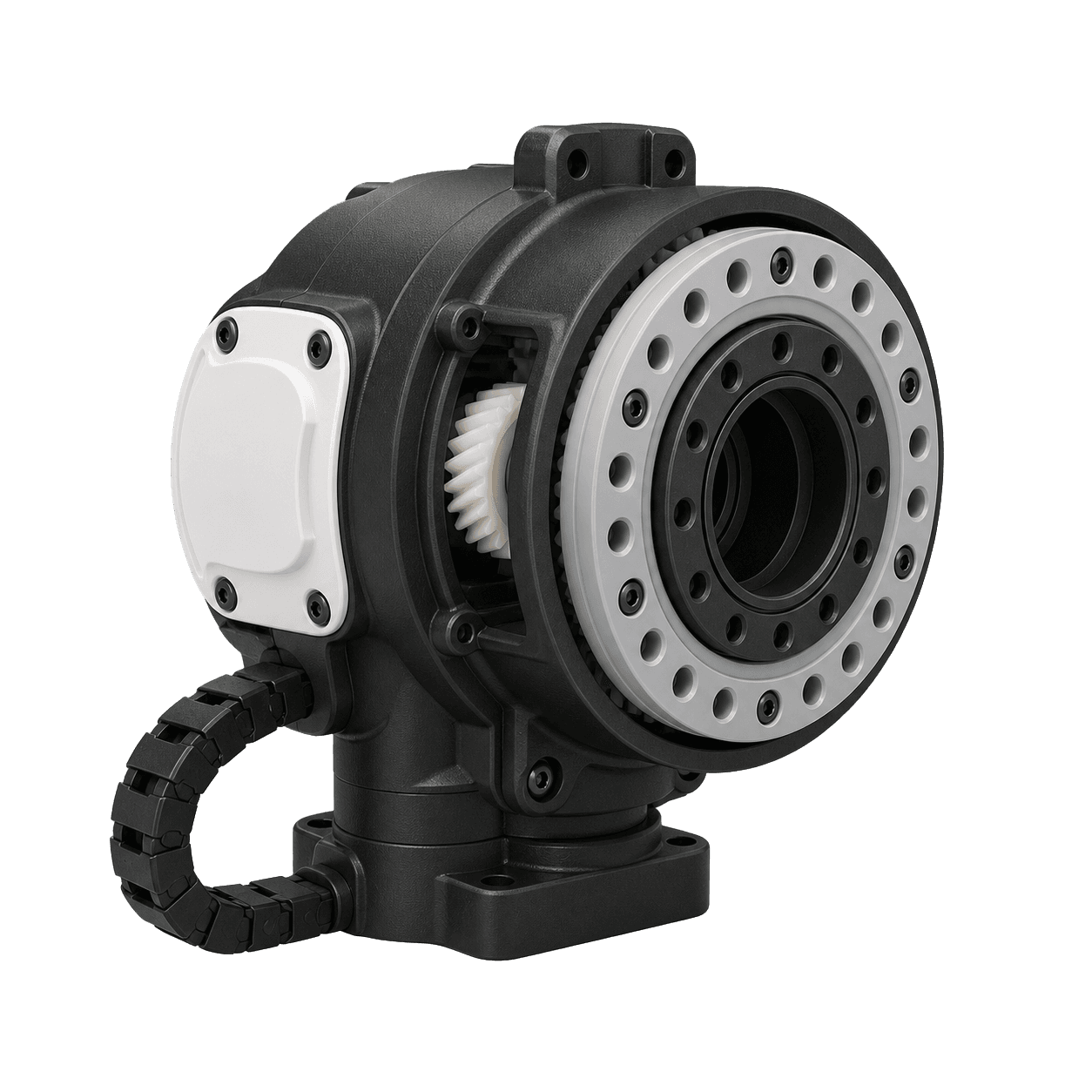
Gear meshing, bearing support, load, speed, positioning accuracy, and cycle count determine wear, rigidity, and dimensional stability.
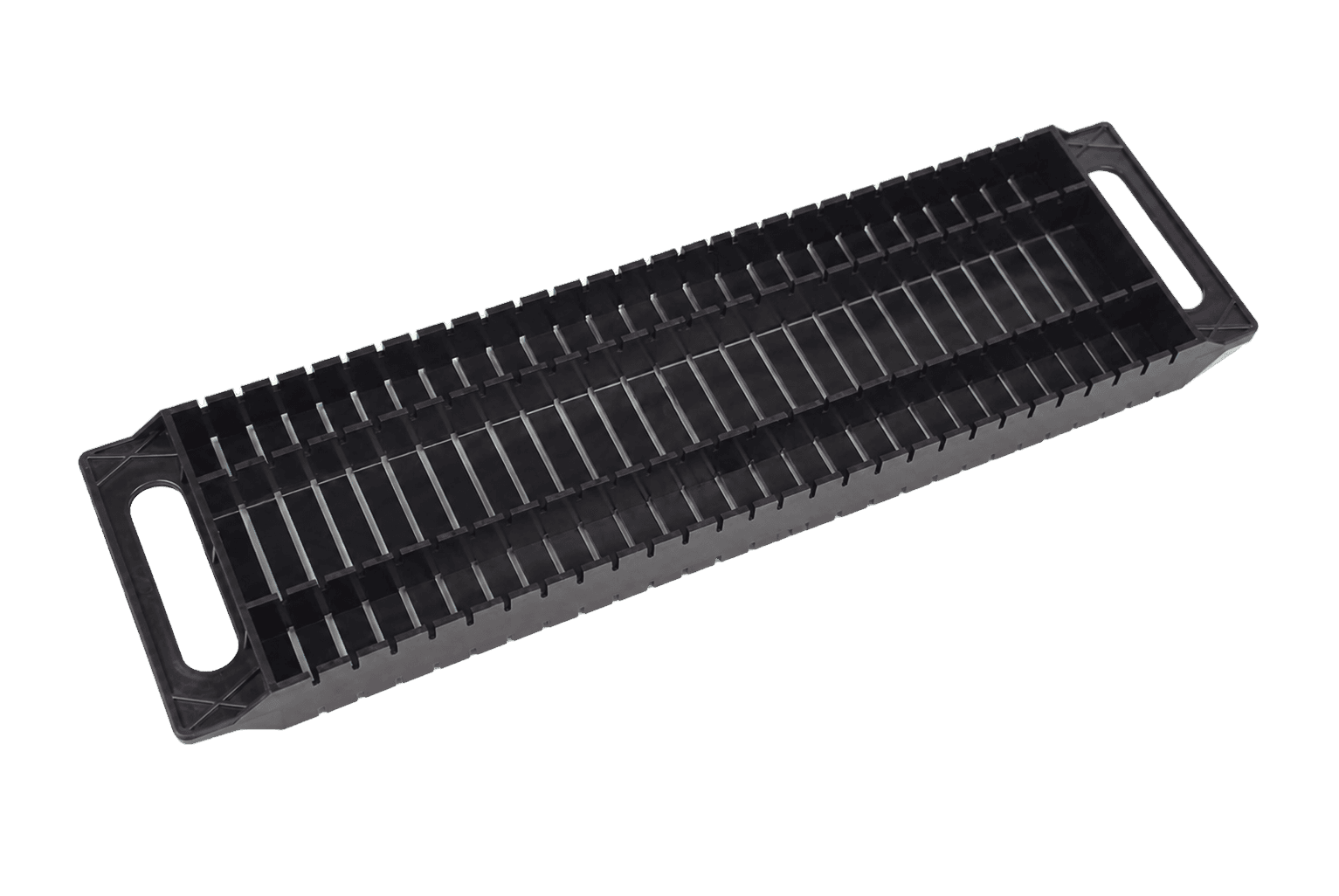
Pallet flatness, hole size, stacking and handling durability, target resistance, and test conditions all need to be confirmed together.
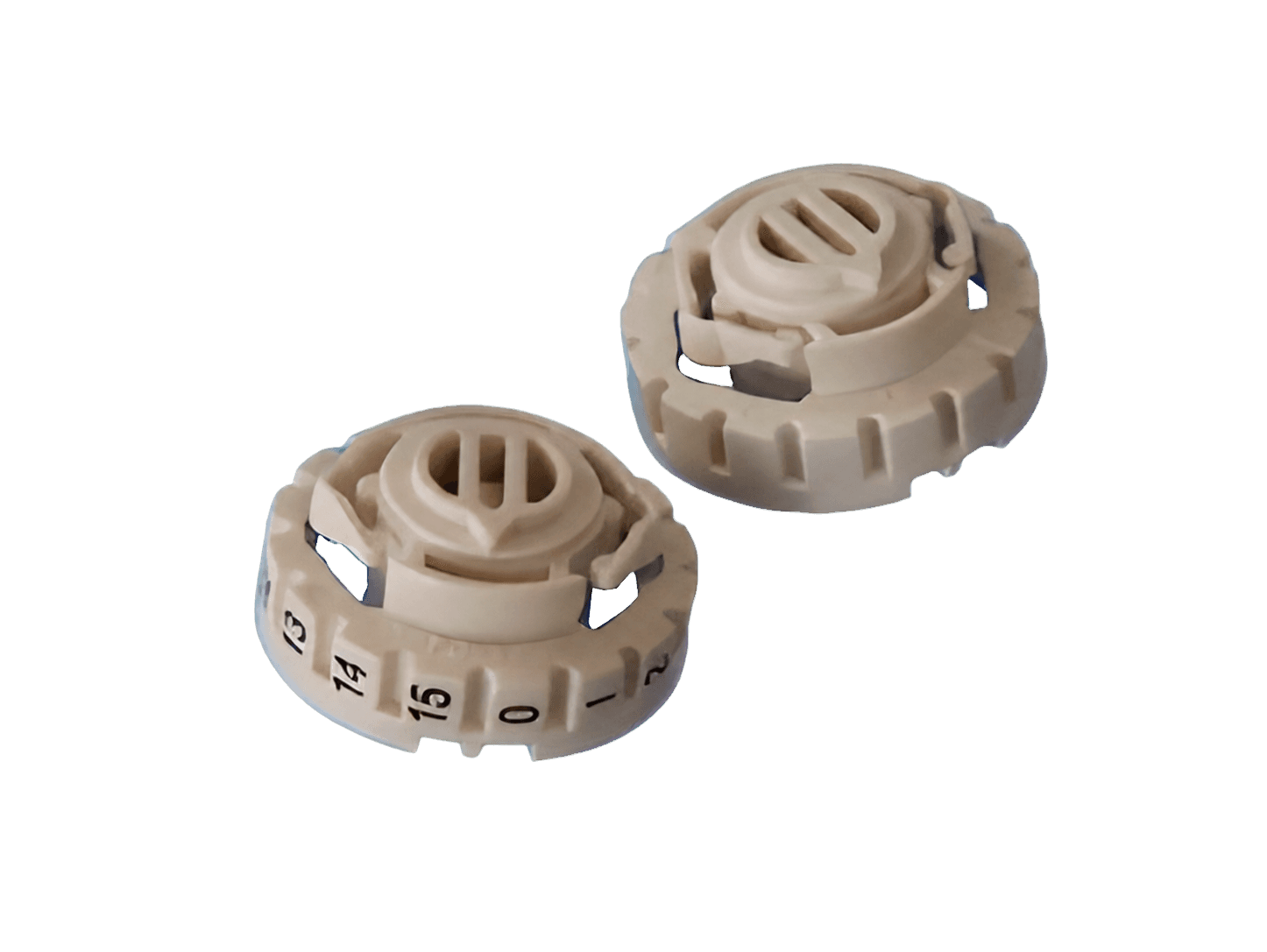
Target resistance, test voltage, humidity regulation, grounding method, size, and color determine the formulation and validation conditions.
Material options
The following directions are intended to establish preliminary candidates and do not represent universal applicability to all electronic and electrical components. Resistance, grounding, humidity, testing methods, dimensions, and actual assembly all need to be confirmed together.
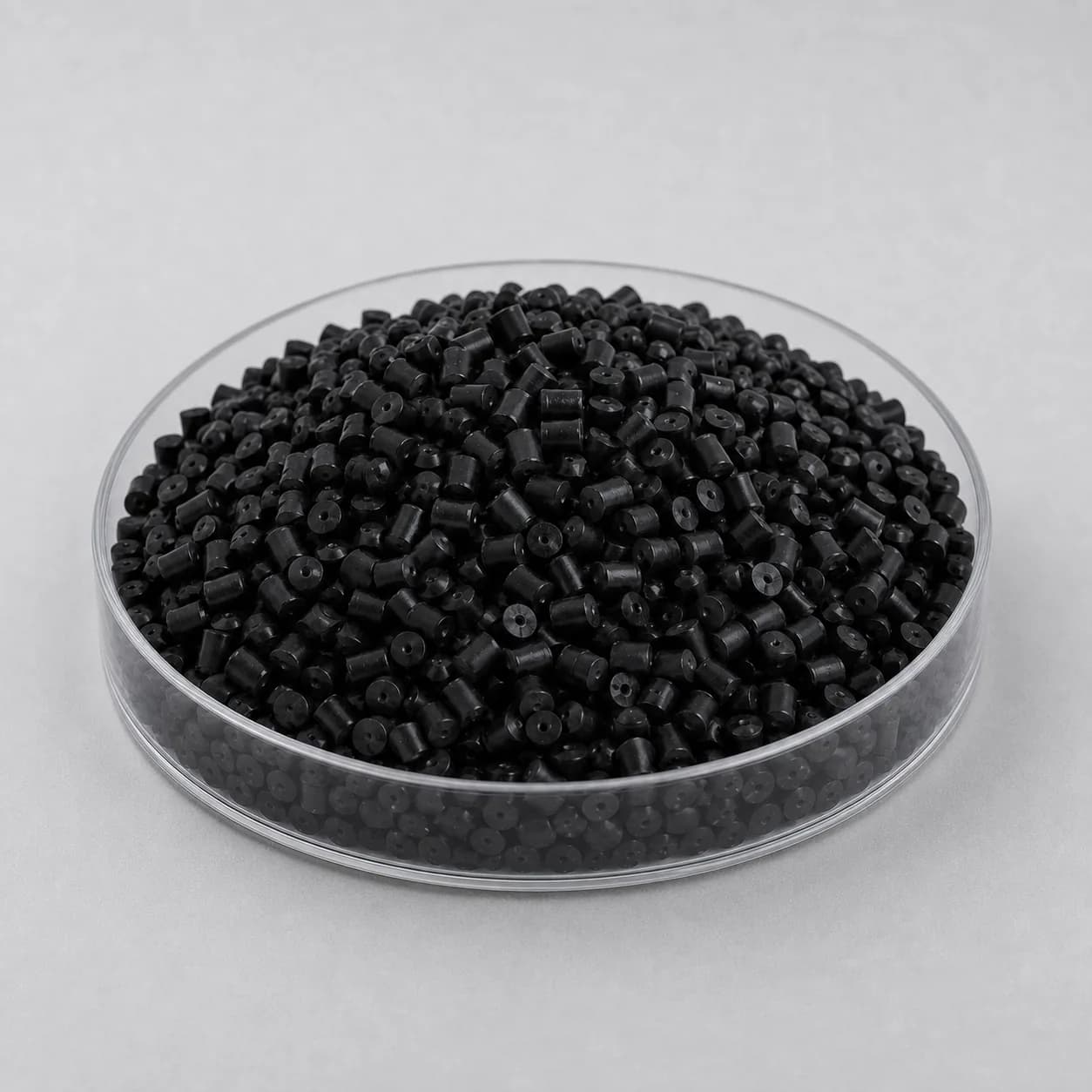
Components are considered candidates when the surface or volumetric resistance range, test voltage, regulation conditions, grounding method, and usage environment are specified.
Candidates are considered when load-bearing or precision components simultaneously require higher rigidity, dimensional retention, and conductivity, and fiber orientation and anisotropy are evaluated.
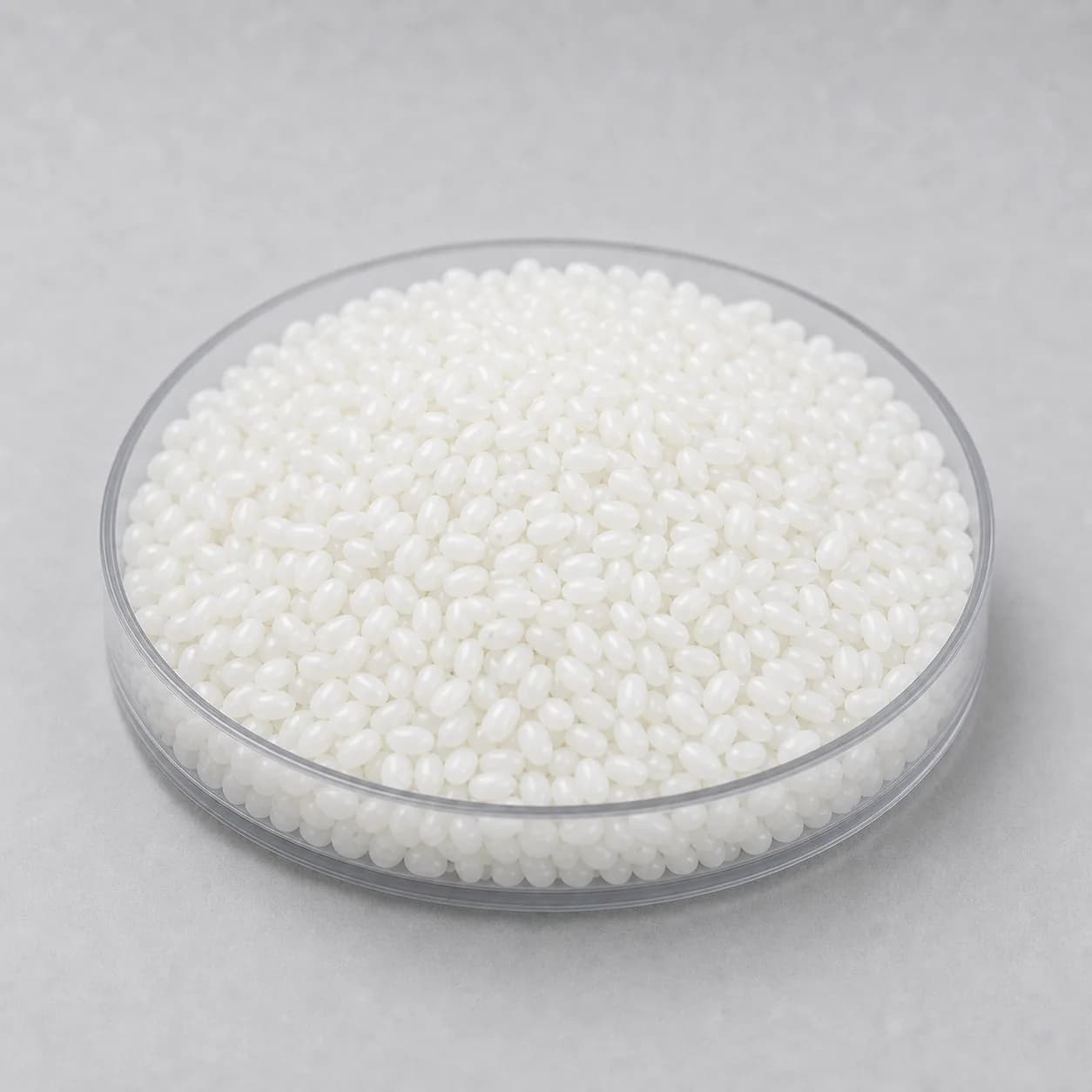
Transmission or actuator components in electrical equipment are considered candidates when repeated contact wear and lifespan are major issues.
Consider low-friction options for sliding, rotating or mating interfaces when friction, noise or stick-slip must be reduced. Evaluate them alongside the electrical requirements.
Discuss formulation adjustments when existing options cannot meet the electrical, mechanical, color and processing targets together. If flame retardancy, high temperature or regulatory requirements dominate, first confirm whether POM remains an appropriate candidate.
Next step
Share the part function, target resistance, test voltage and conditioning, grounding method, mechanical load, key dimensions, environment and current material. We can then organize the candidate range, open conditions, and grade-document or sample arrangements.