
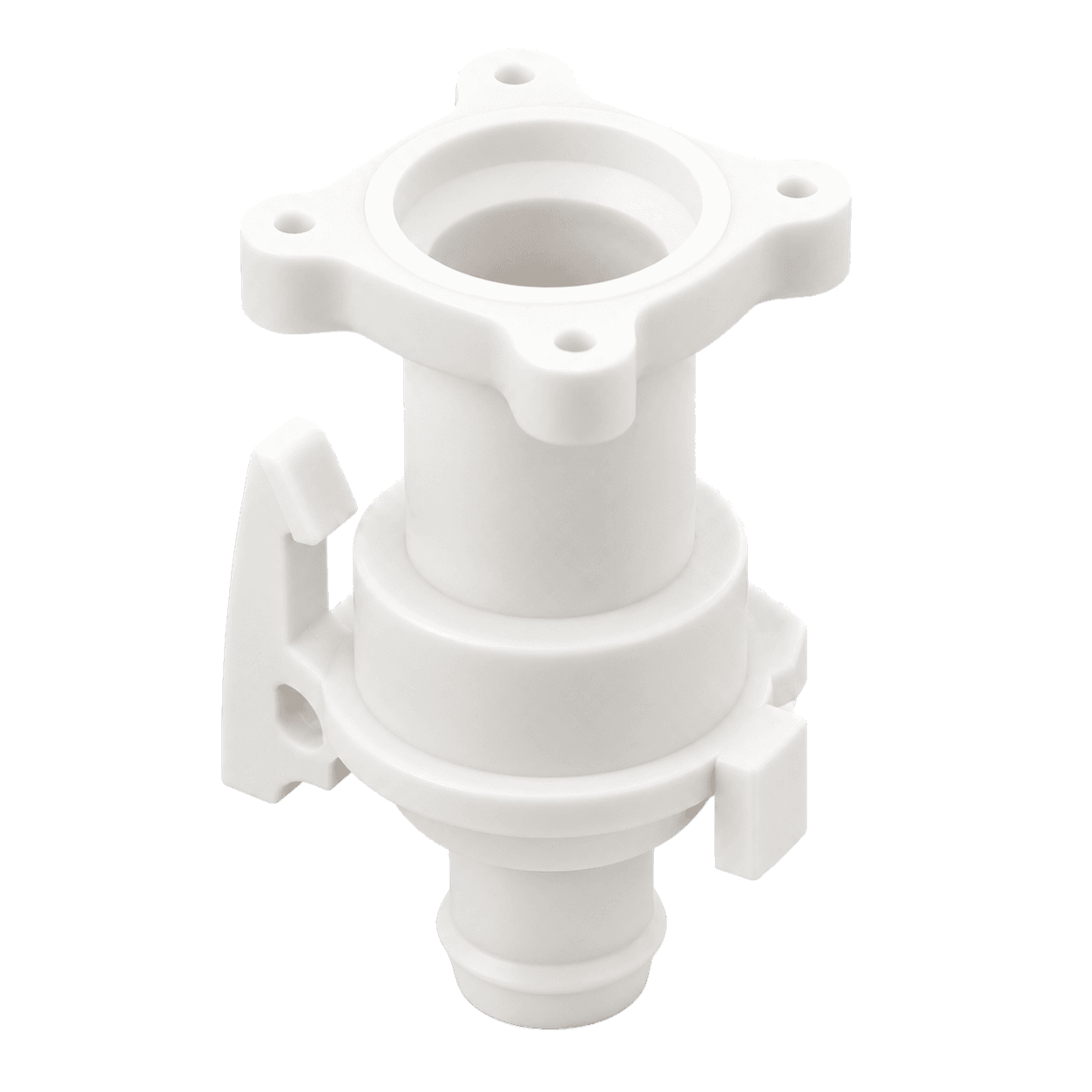
Water pipes
Interface alignment, sealing seats, wall thickness, water temperature, detergent, and repeated assembly determine the dimensions and sealing stability.
Material selection for washing machine components
Functional injection-molded components used for washing machine drum drives, water circuits, drainage, valves, and low-friction movement mechanisms.
Washing Machine Components
Functional injection-molded components used for washing machine drum drives, water circuits, drainage, valves, and low-friction movement mechanisms.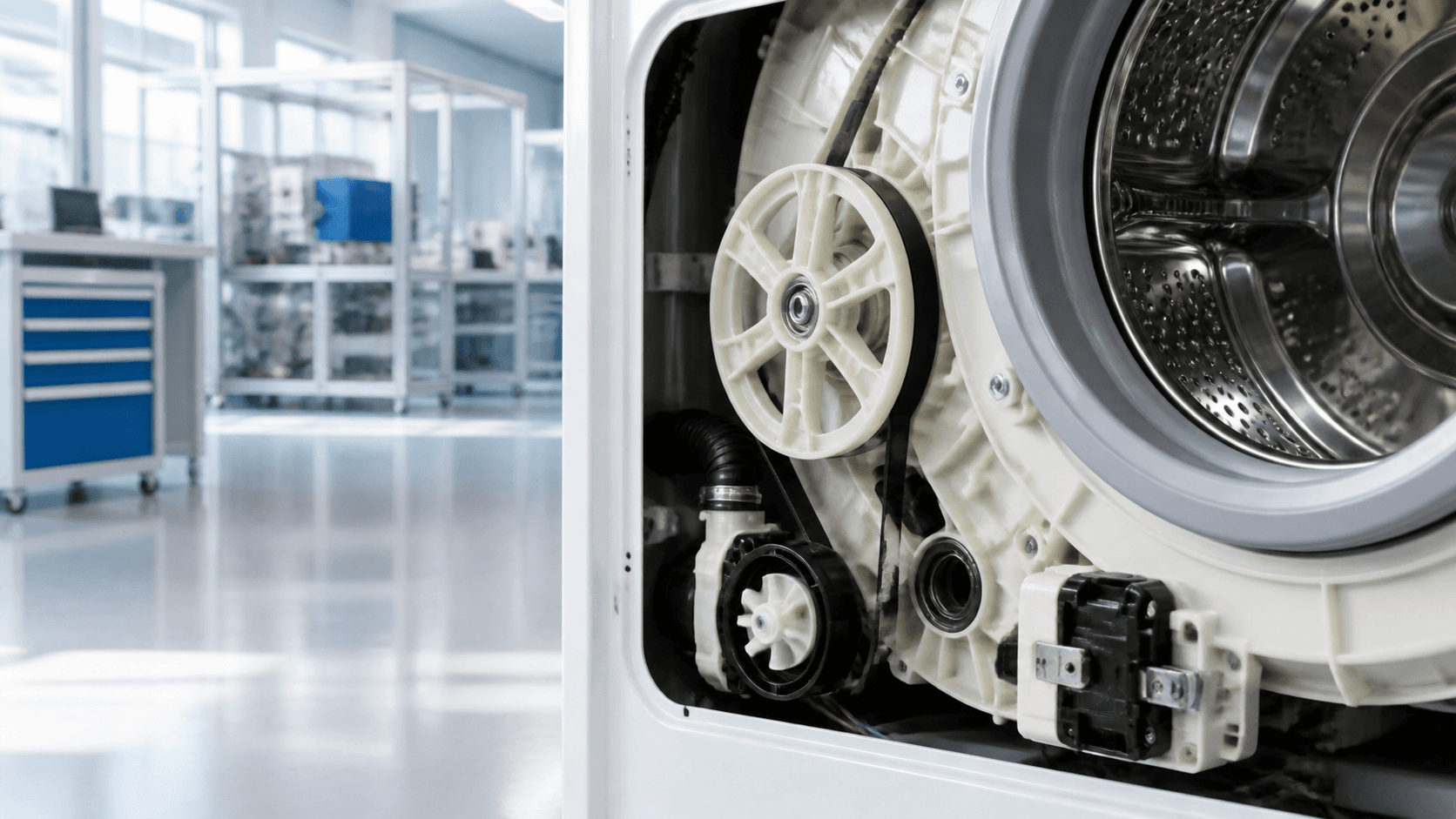
Typical components
Interface alignment, sealing seats, wall thickness, water temperature, detergent, and repeated assembly determine the dimensions and sealing stability.
The retention force of the barbed joint, joint alignment, bending clearance, water pressure, and temperature cycling determine the stability of the connection and seal.
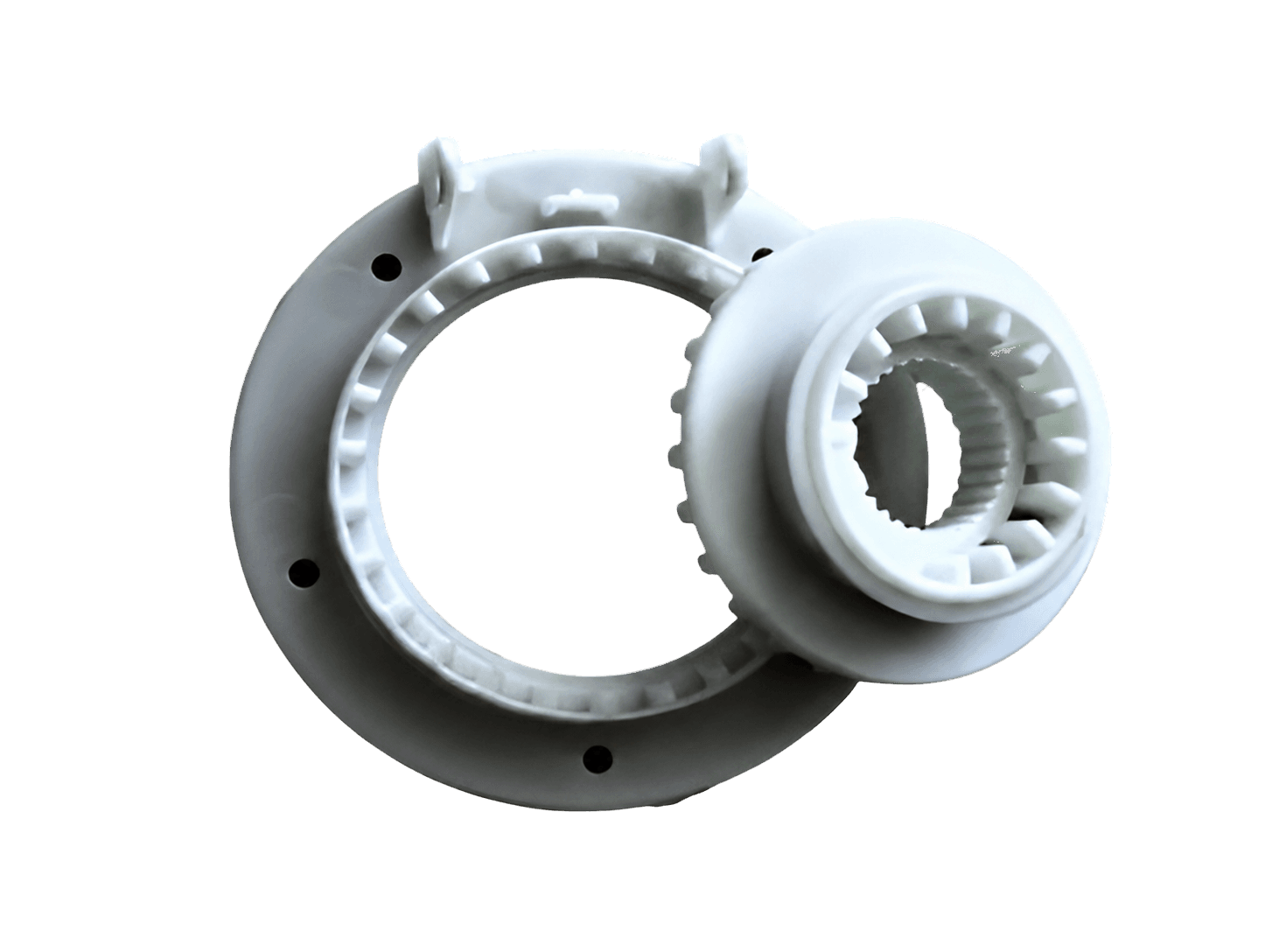
Torque, speed, start-stop, cycle count, and vibration determine gear surface wear, noise, and gear size maintenance requirements.
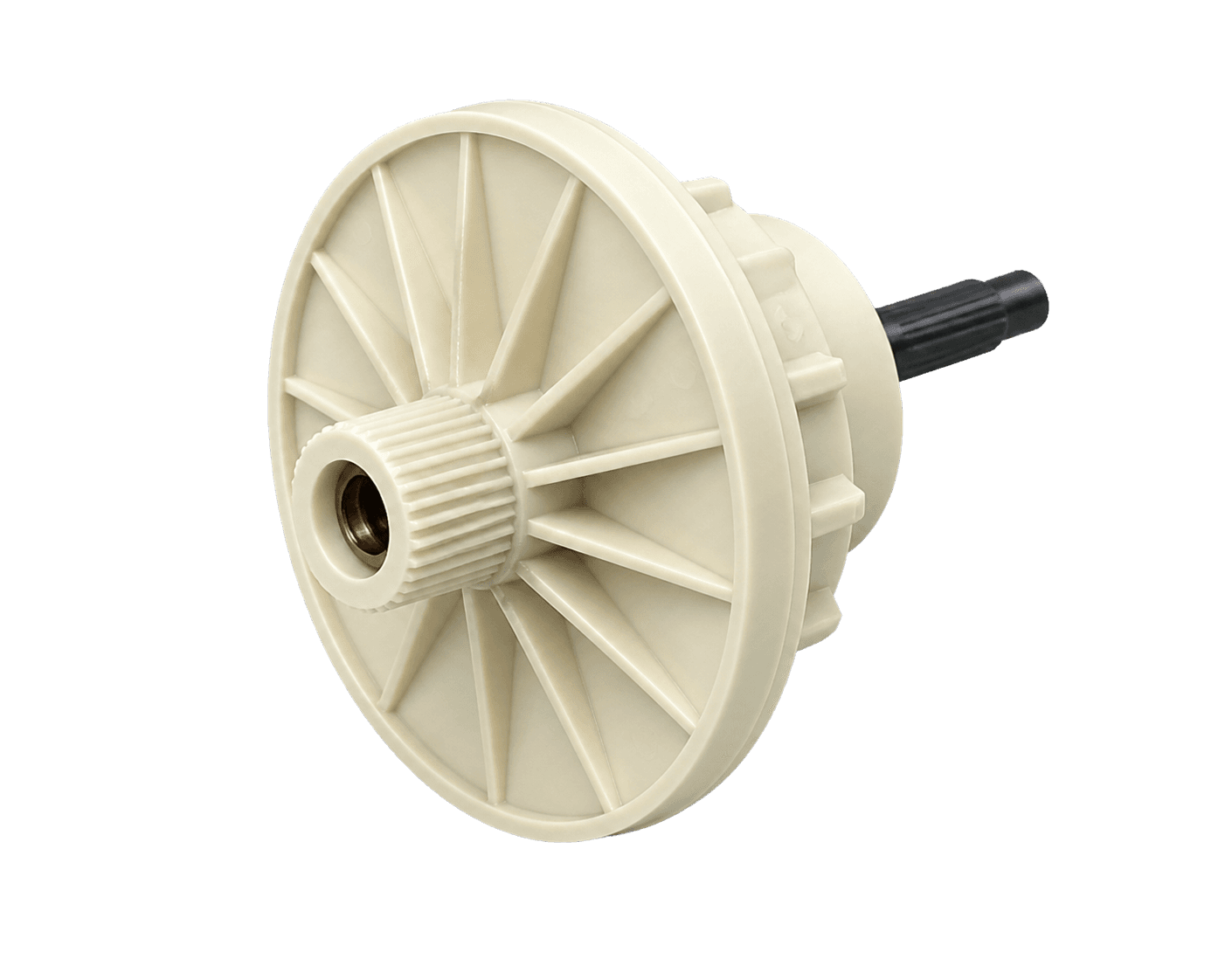
Hub concentricity, shaft meshing, radial rigidity, torque, and dehydration vibration determine deformation and transmission stability.
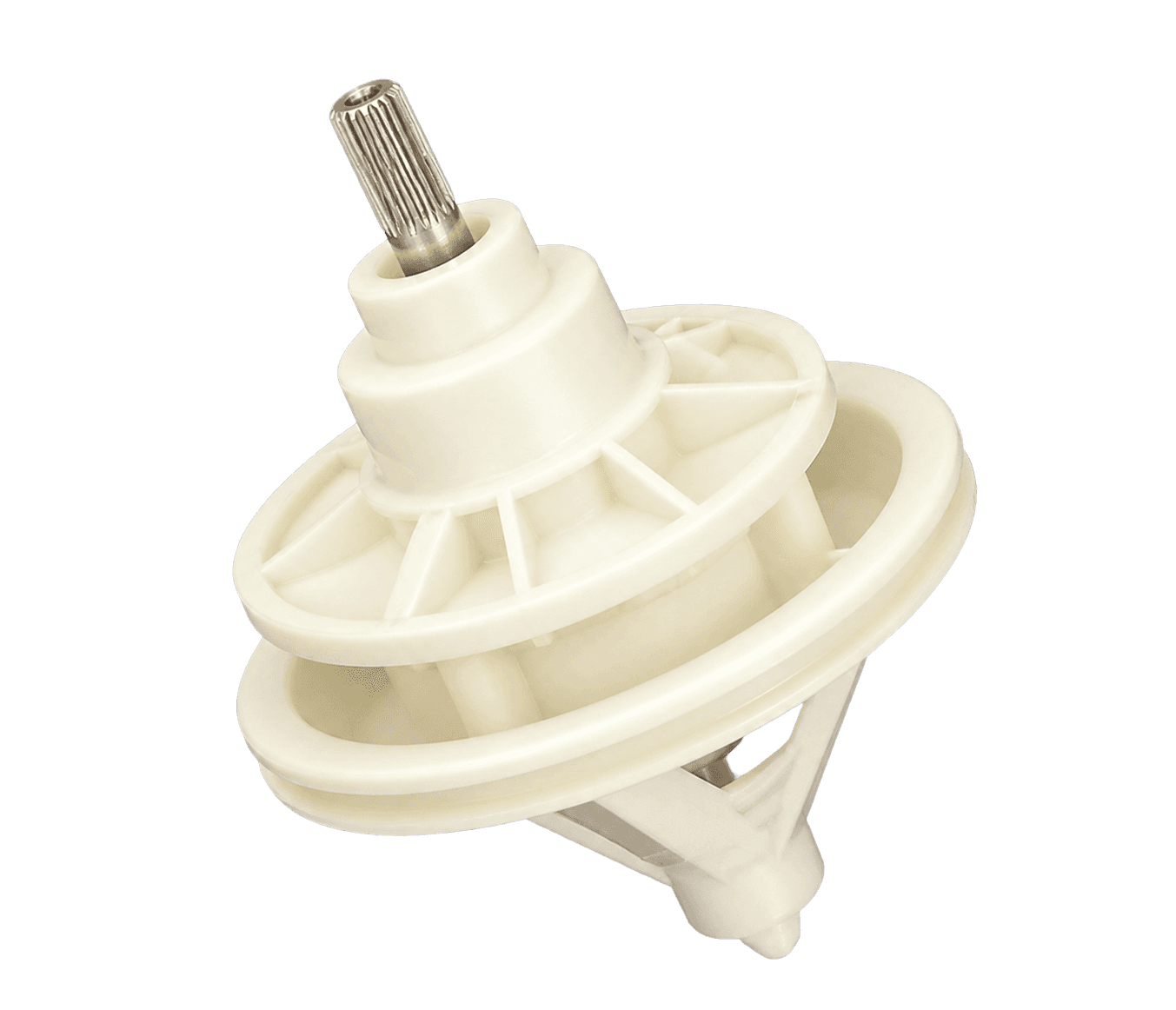
Gear level alignment, hub concentricity, shaft meshing, load, and cycle count determine wear, noise, and stable deceleration.
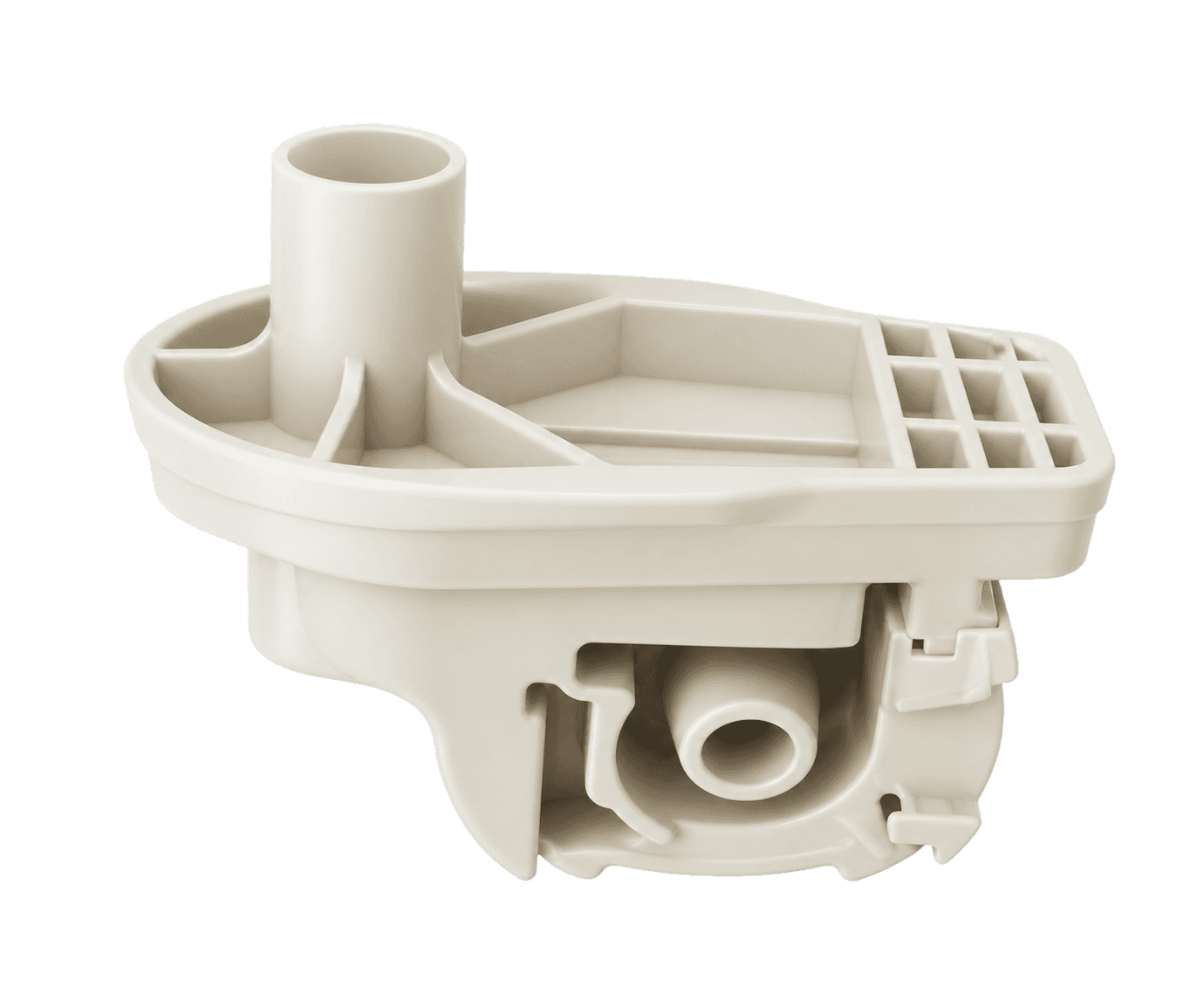
Inlet and outlet fit, pump chamber pressure, sealing seat, water temperature, detergent, and wall thickness determine rigidity and drainage assembly stability.
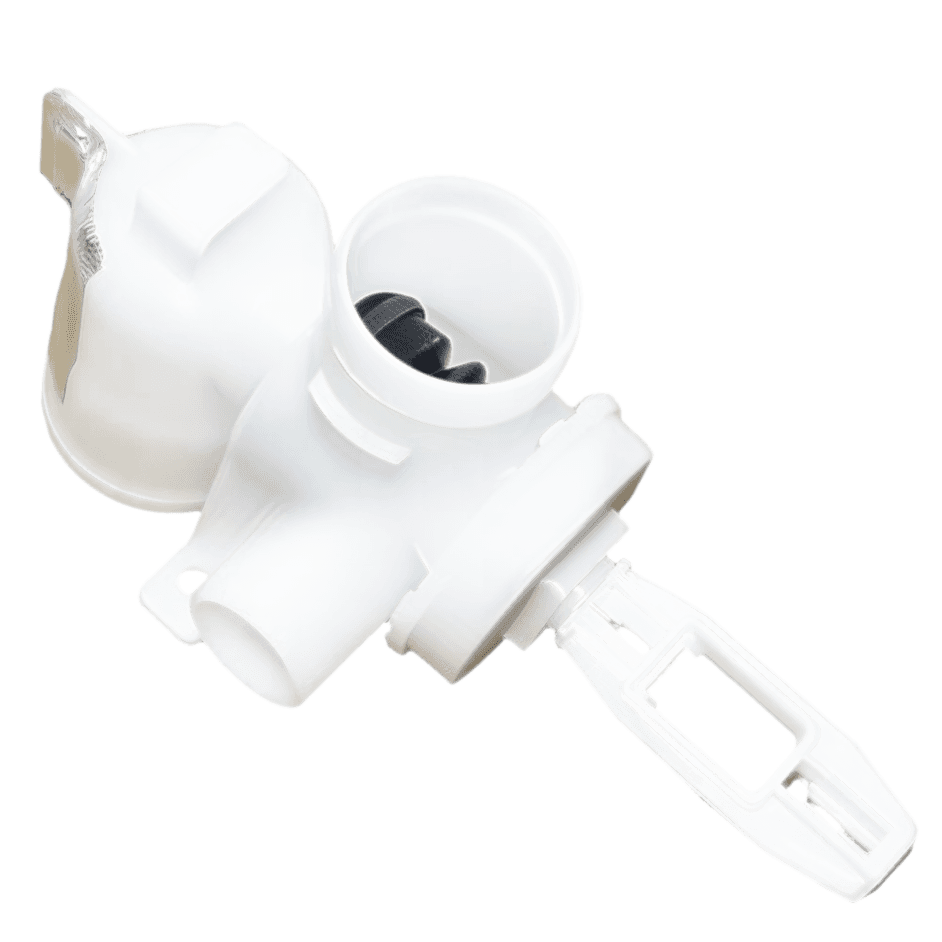
Valve seat fit, actuator stroke, drainage medium, temperature, and number of opening/closing cycles determine movement, wear, and closing stability.
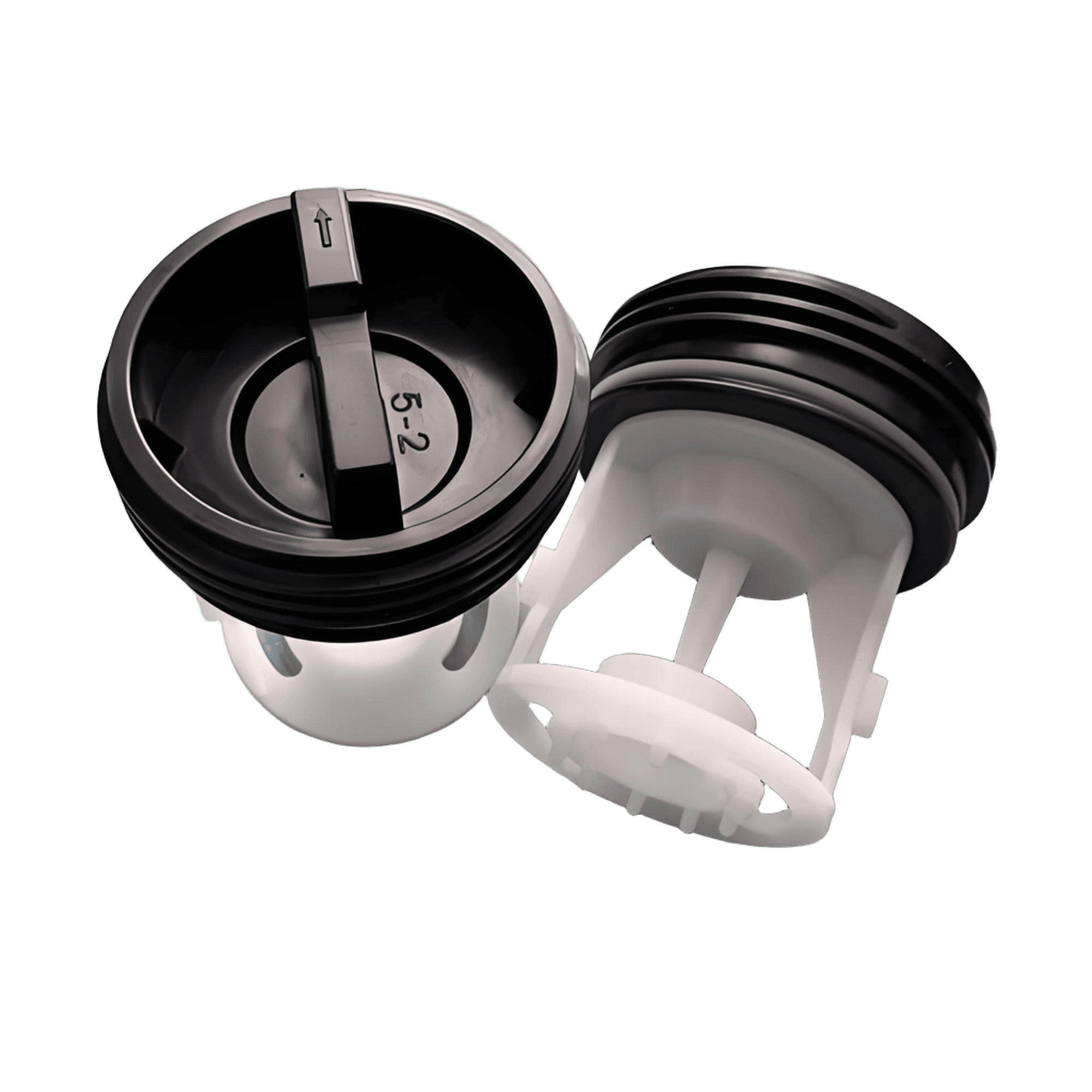
Sealing meshing, thread fit, actuator travel, detergent residue, and repeated closing determine leakage and assembly performance.
Material options
The following directions are used to establish preliminary candidates and do not represent universal application to all washing machine components. The specific grade still needs to be confirmed based on load, vibration, water temperature, detergent, sealing, and sample results.
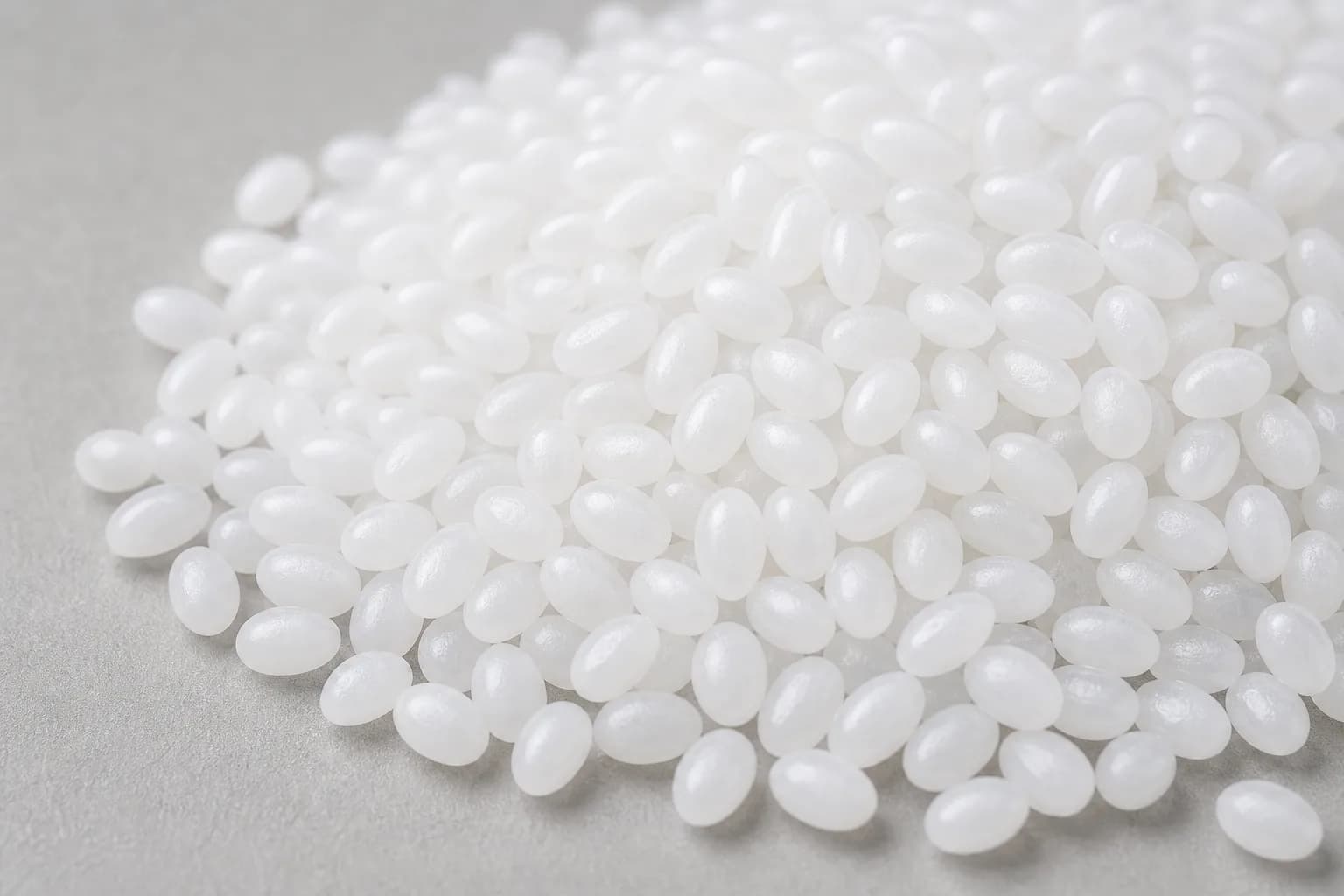
If a component does not have a clear primary requirement for reinforcement, wear resistance, or low friction, it can first be used as a basic performance and processing direction comparison.
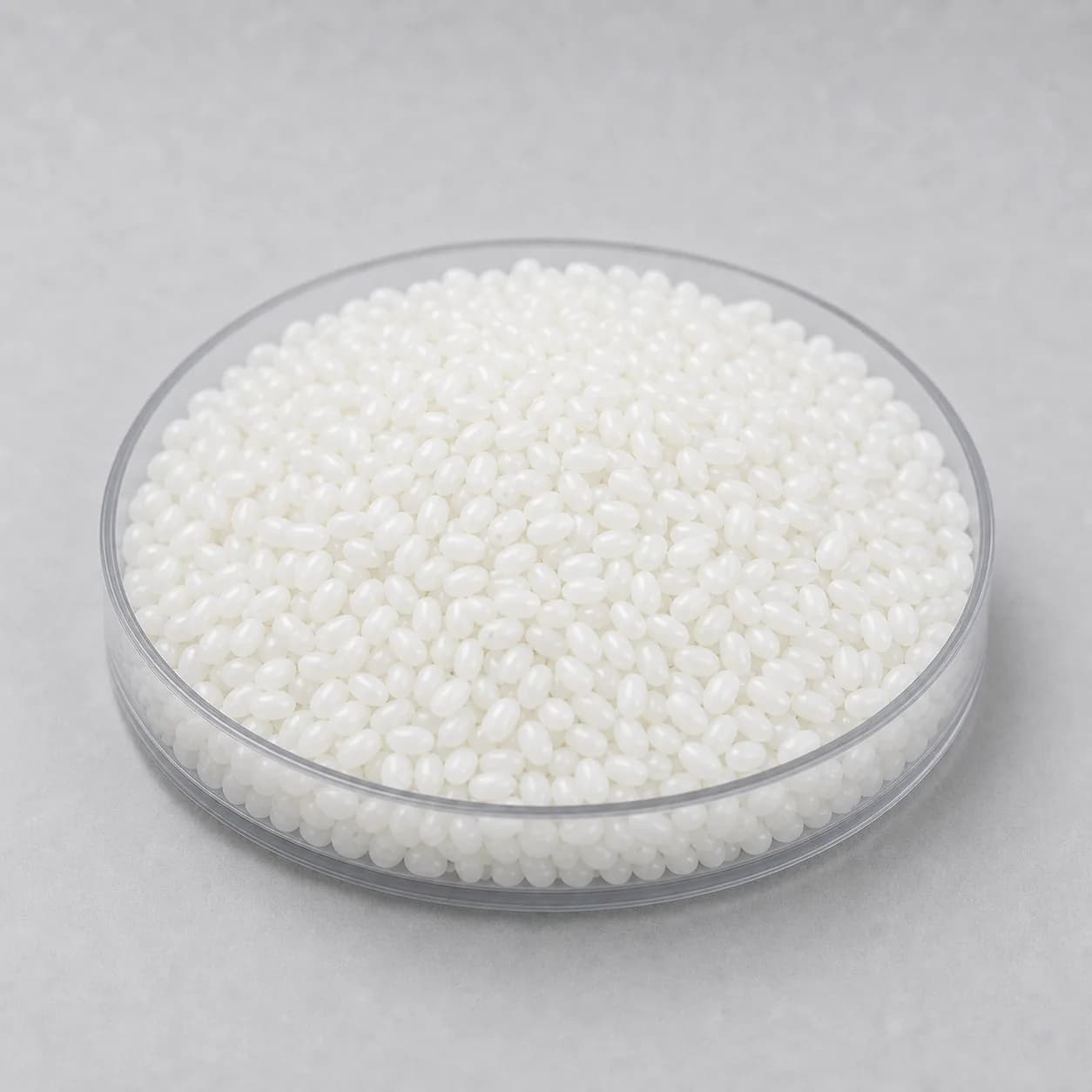
Transmission, rotation, or shut-off components are considered candidates when wear life, tooth surface retention, or clearance changes are the main issues.
Bushings, guide parts, valves, or other mating interfaces require reduction of friction, noise, or slip to become a candidate.
Transmission wheels, housings, or support structures enter the candidate when increased rigidity, warpage control, and assembly position are maintained.
If the standard direction cannot simultaneously meet detergent contact, load, color, friction, or size targets, formula adjustments can be discussed based on clear circulation conditions.
Next step
Share the part function, wash or spin stage, load, speed, vibration, water temperature, detergent, seal position, key dimensions and current failure mode. We can then organize the candidate range, open conditions, and grade-document or sample arrangements.