
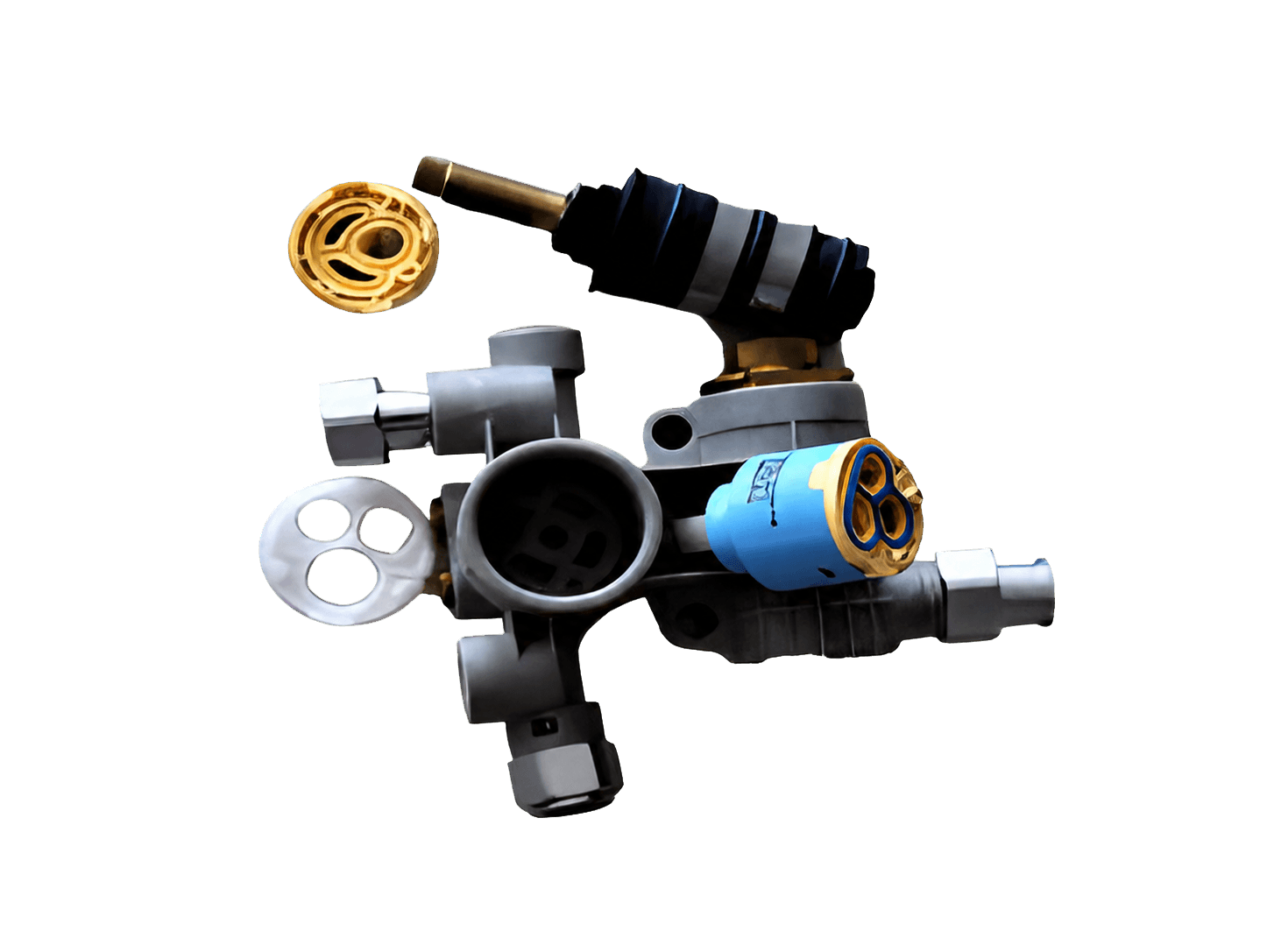
Valve Spool Assembly
Stroke, pressure difference, fitting clearance, sealing proximity, and number of opening/closing cycles determine movement resistance, wear, and dimensional stability.
Material selection for water-control components
Injection molded components for valves, bathroom fixtures, pumps, and water control systems, focusing on evaluating smooth movement and assembly stability.
Water Control
Injection molded components for valves, bathroom fixtures, pumps, and water control systems, focusing on evaluating smooth movement and assembly stability.
Typical components
Stroke, pressure difference, fitting clearance, sealing proximity, and number of opening/closing cycles determine movement resistance, wear, and dimensional stability.
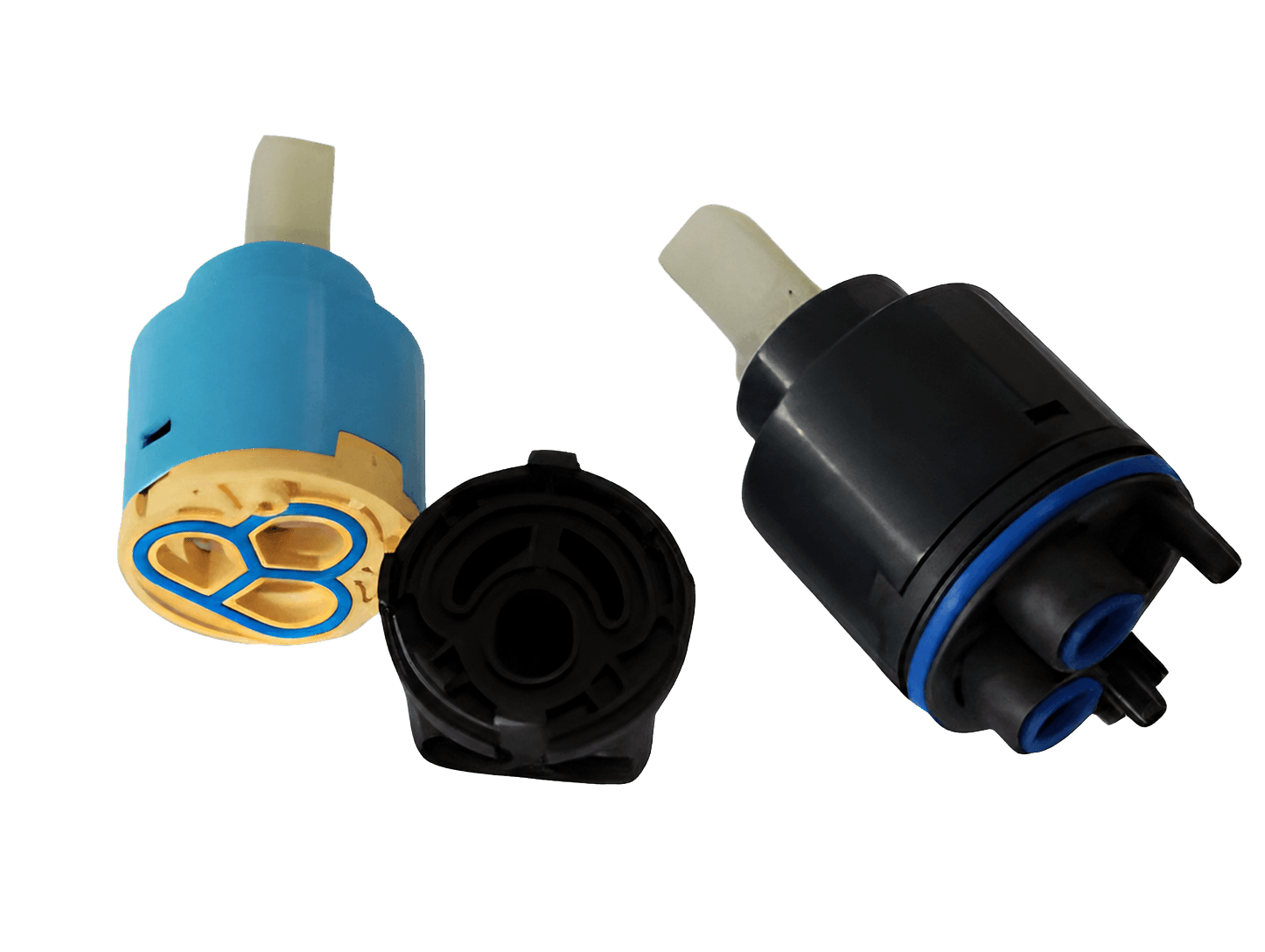
Bore dimensions, roundness, assembly method, sealing surface relationship, and temperature changes determine valve core movement and leakage risk.
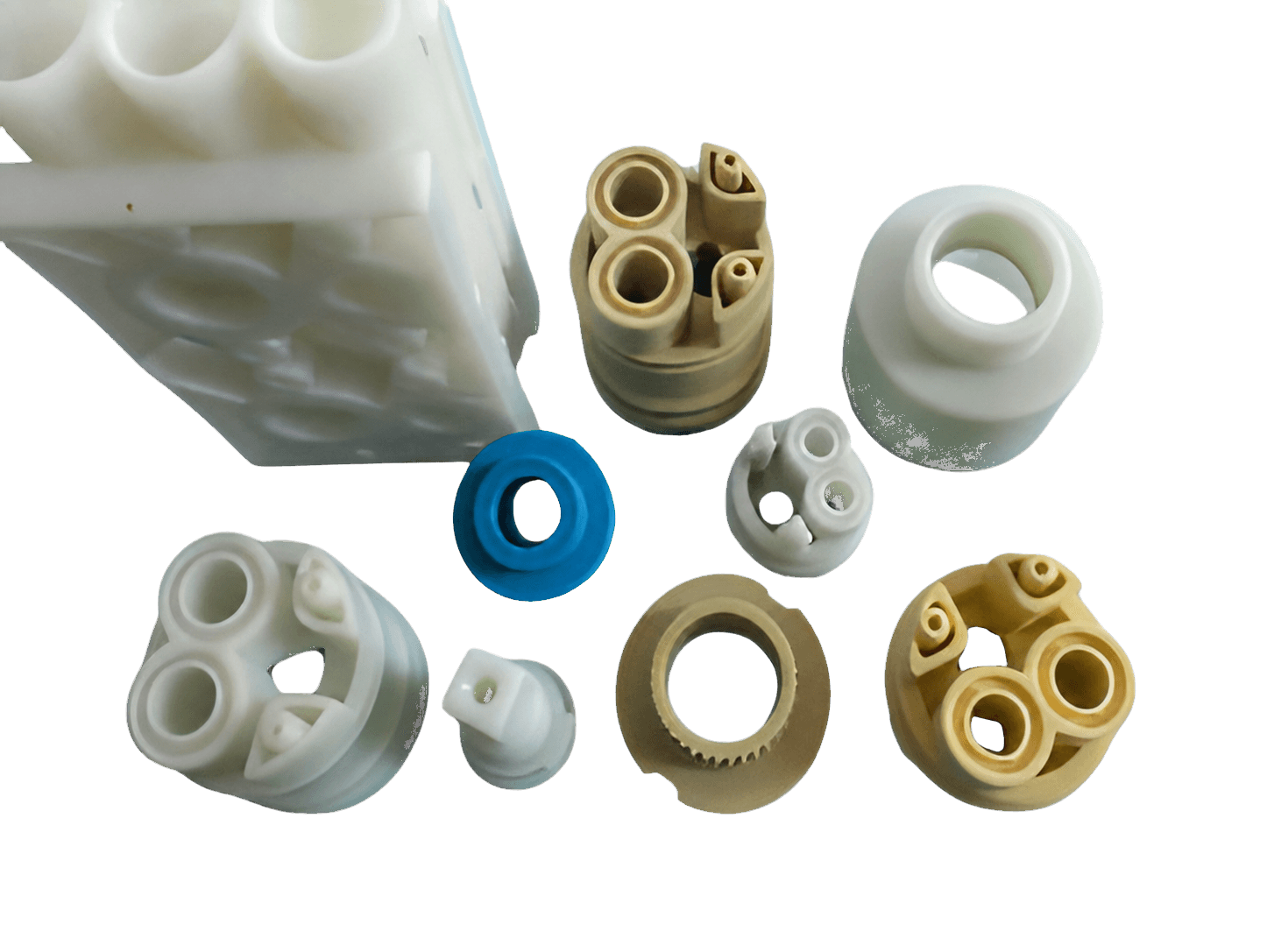
Complex flow paths, thin walls, mating surfaces, and repetitive movements determine molding accuracy, warpage, and assembly consistency requirements.
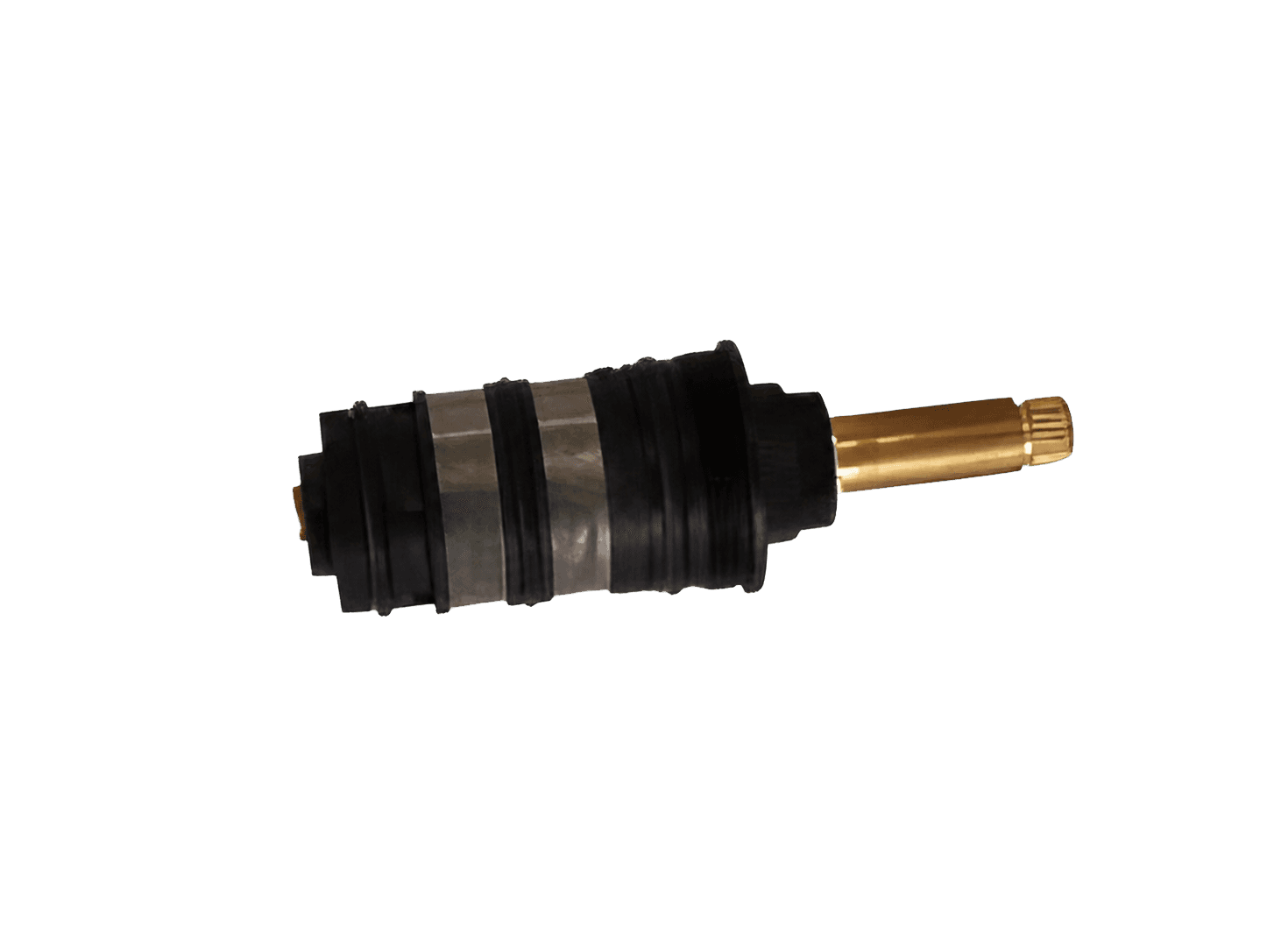
Actuation method, sliding structure, medium, water temperature, and load determine friction, wear, and long-term dimensional stability requirements.
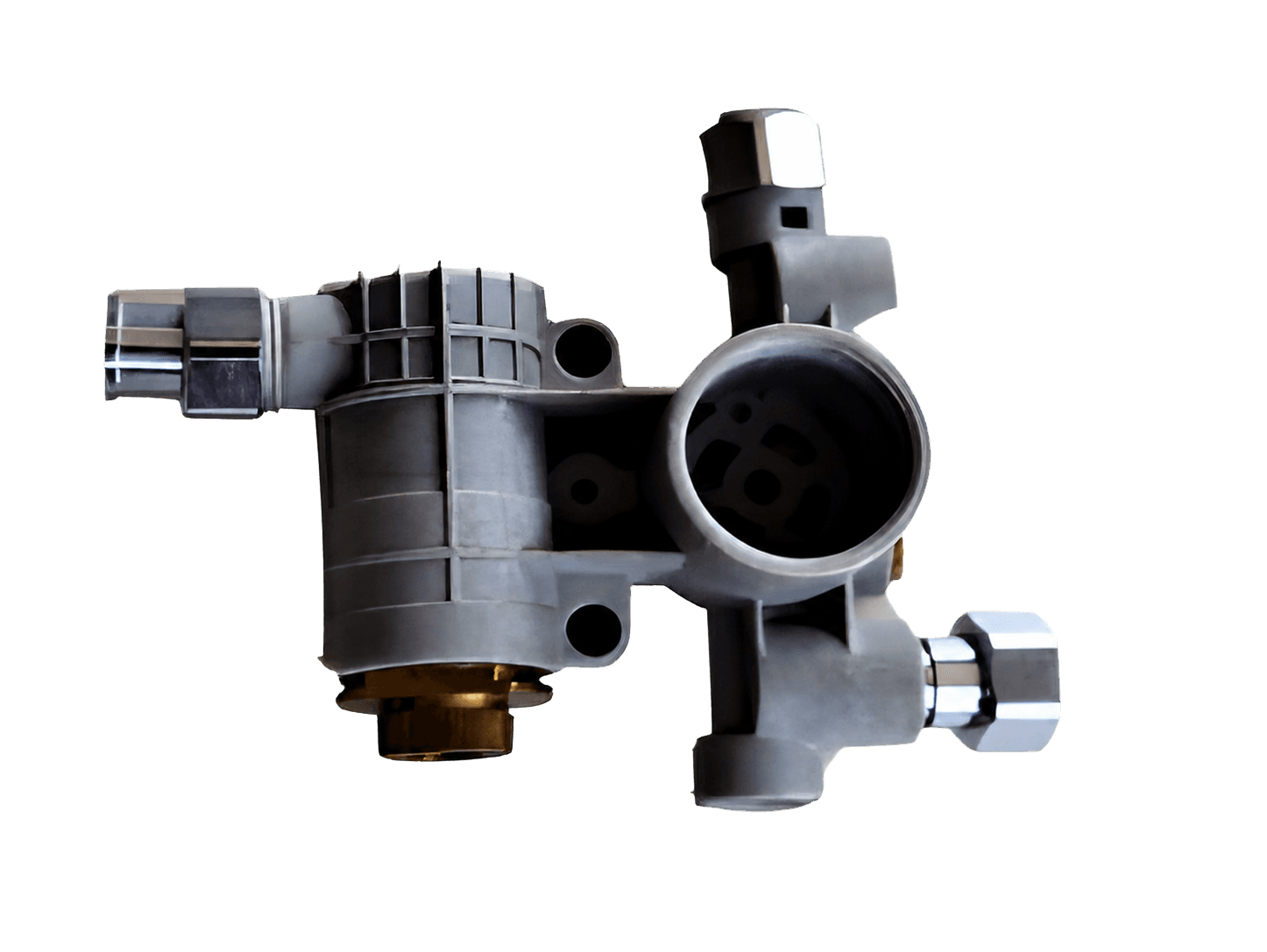
Thermal cycles, stroke execution, assembly tolerances, and sealing position determine the stability of motion and fit under temperature changes.
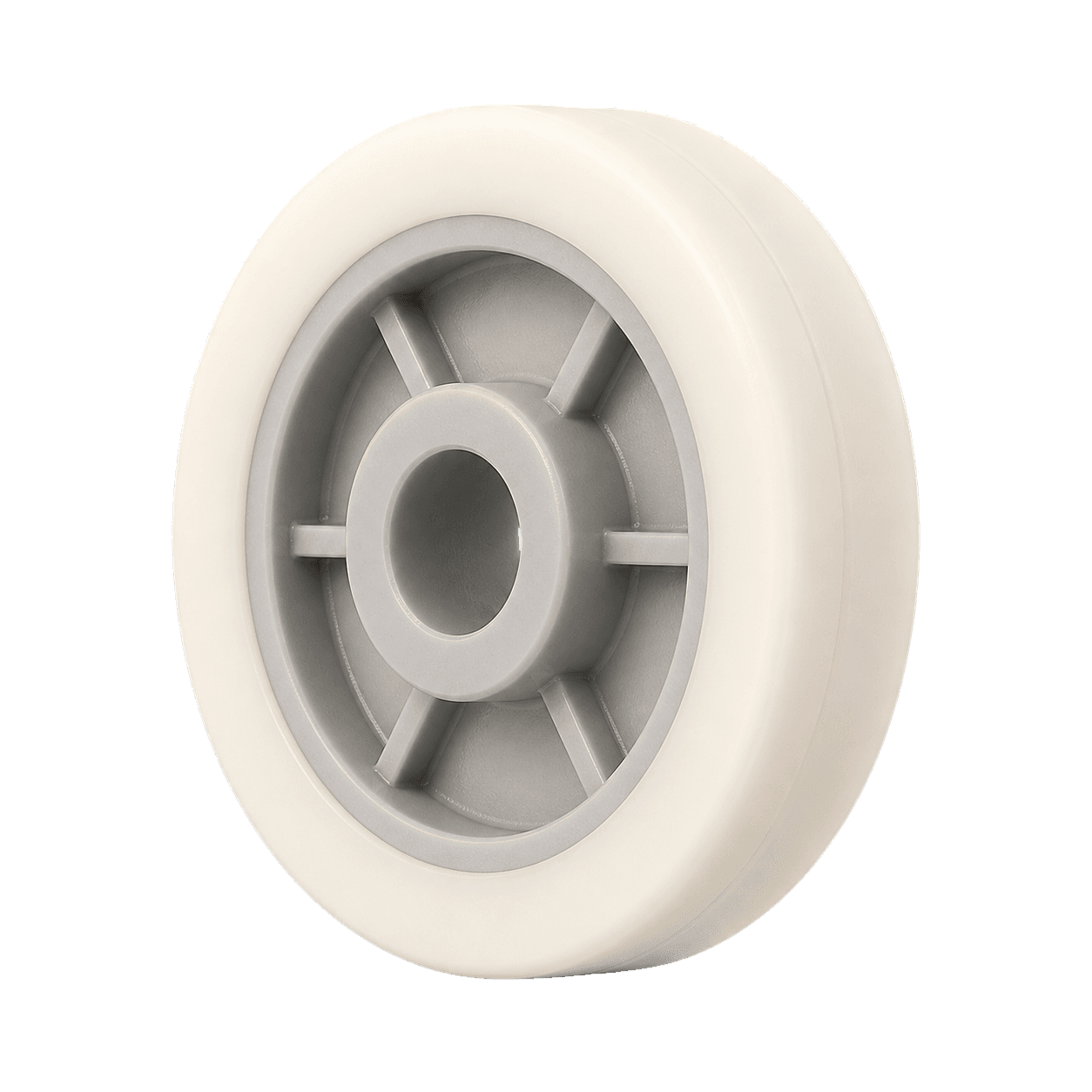
Axle material, radial load, speed, medium, and clearance determine rolling resistance, wear, and roundness retention.
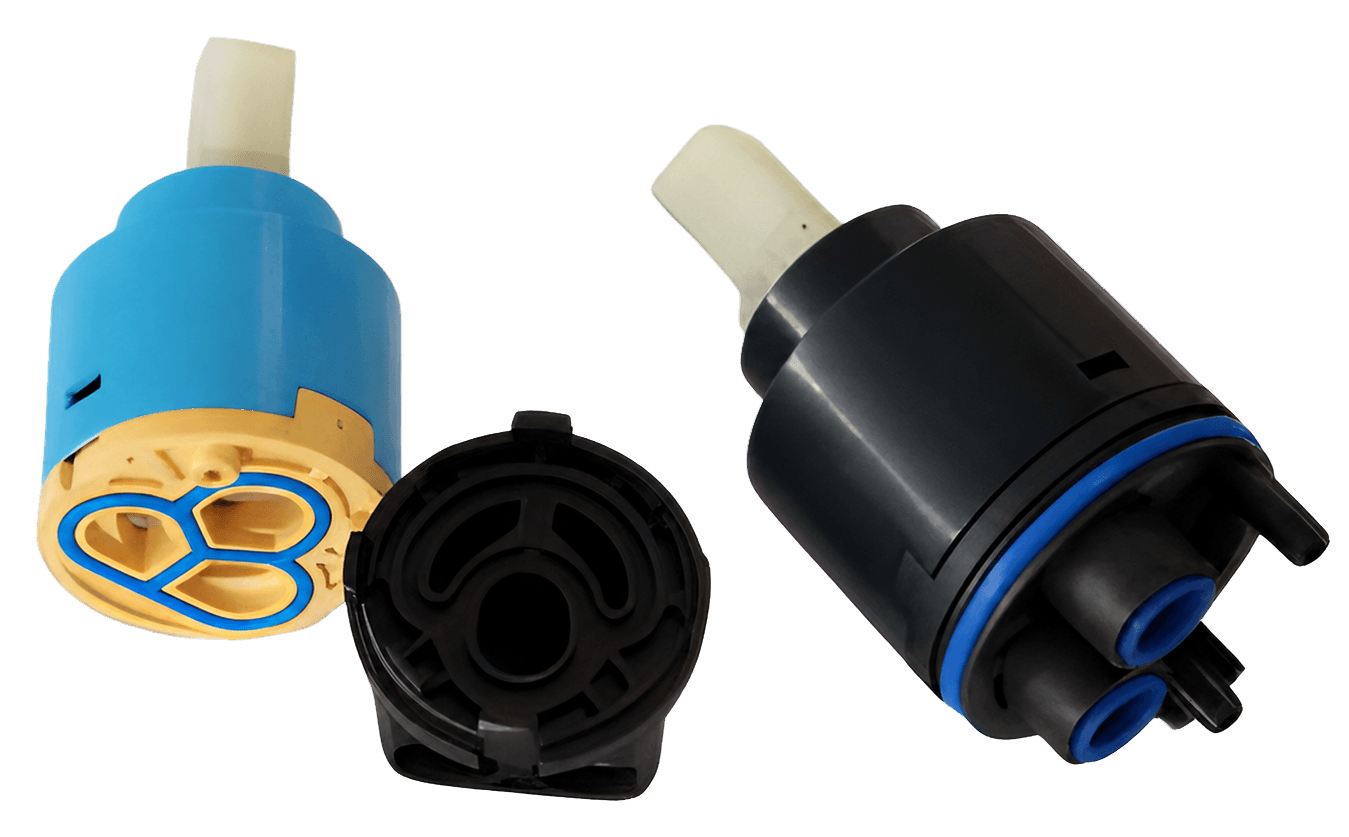
Wall thickness, pressure, threaded or press-fit structure, shrinkage, and warping determine the rigidity of the shell and the sealing assembly position.
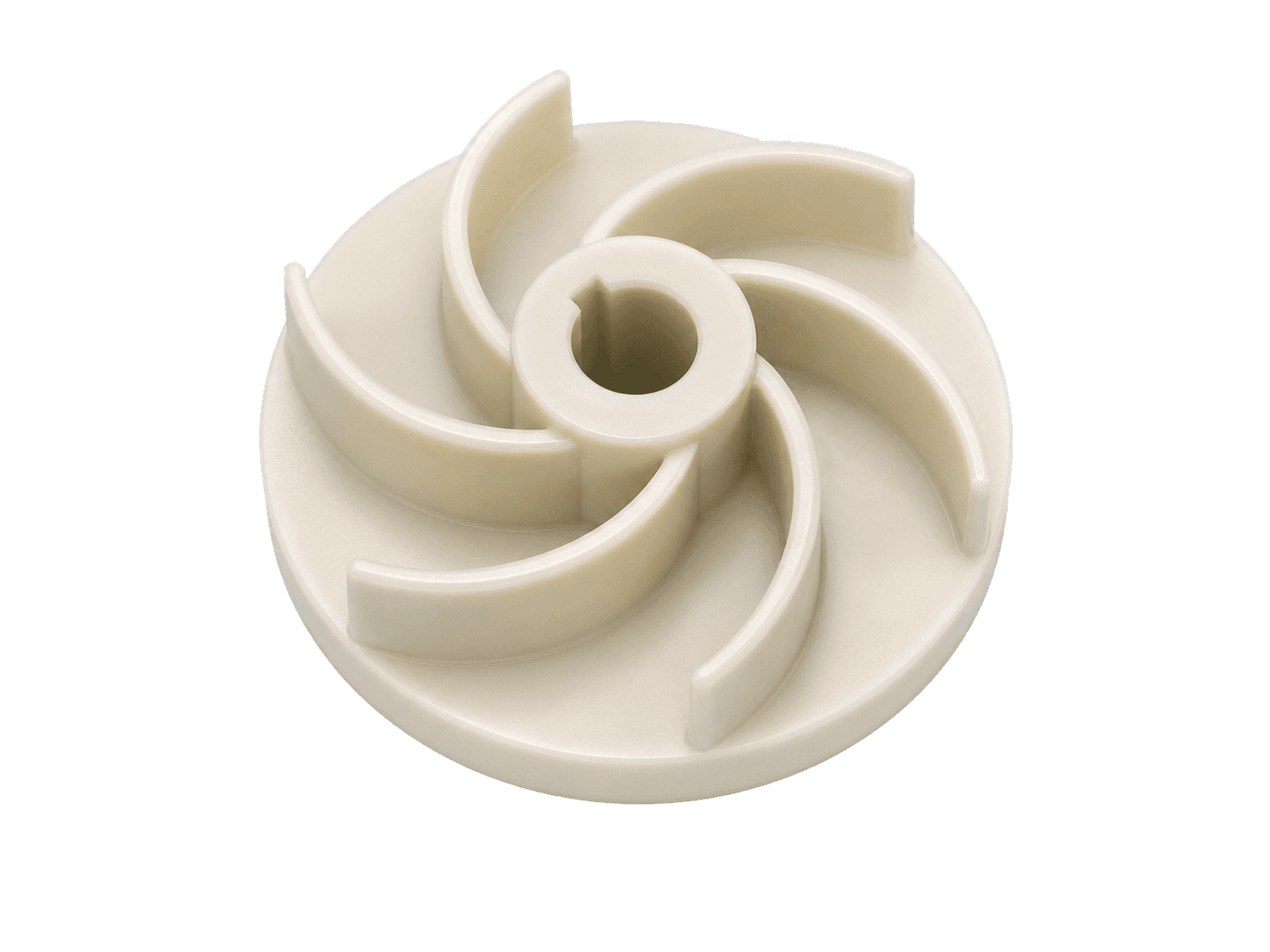
Speed, medium, blade geometry, shaft fit, and balance requirements determine rigidity, dimensions, and rotational stability.
Material options
The following directions are used to establish preliminary candidates and do not represent universal applicability for all water media and pressure conditions. Specific grades still need to be confirmed based on the medium, temperature, sealing, dimensions, and prototype results.
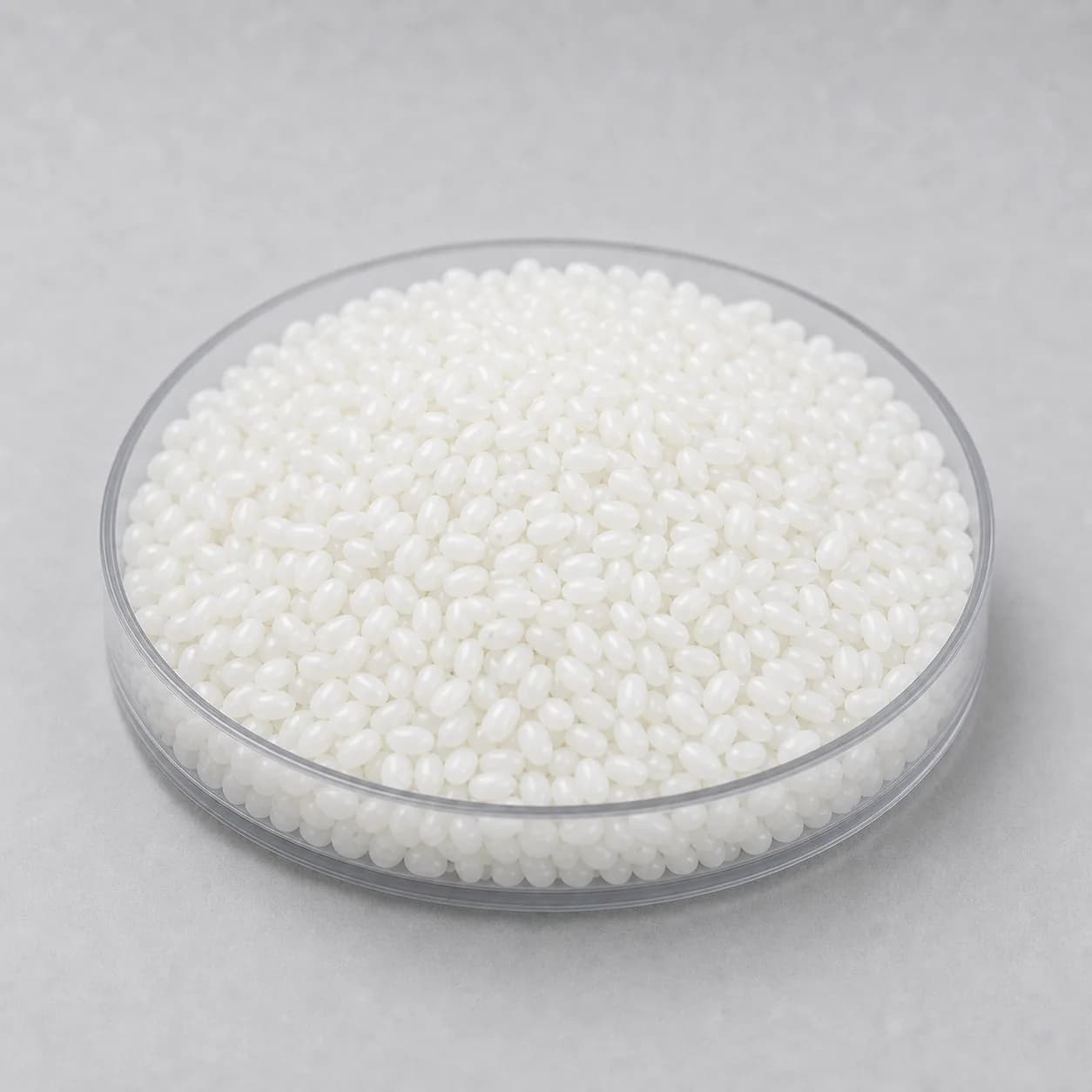
Enter candidates when sliding or rotating water components have startup resistance, stick-slip, noise, or execution stability as main issues.
Valves, guide wheels, or impeller support interfaces are considered candidates when repetitive movement wear and clearance maintenance are the main issues.
Housings, supports, or impeller components are considered candidates when load deformation, shrinkage, and assembly positioning need to be controlled, and the effects of fiber orientation are evaluated.
Next step
Share the medium, water temperature, pressure, opening or rotary motion, cycle count, seal position, key dimensions and current leakage or wear. We can then organize the candidate range, open conditions, and grade-document or sample arrangements.