
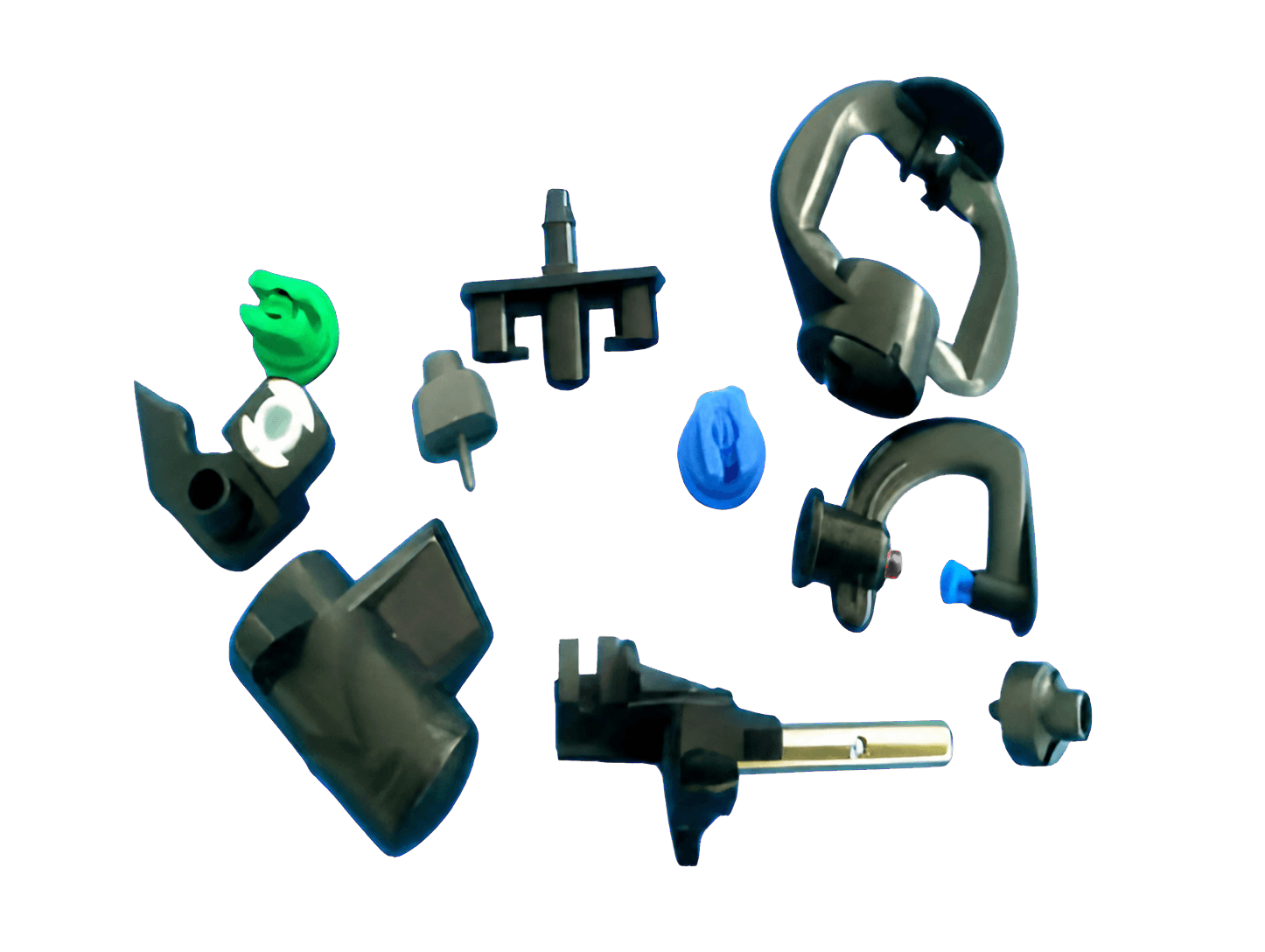
Spray head
Water pressure, rotation method, water quality, sunlight, temperature, and flow path dimensions determine wear, rotation, and spraying stability.
Selection of materials for outdoor equipment components
Outdoor exposed injection molded components used in garden equipment, irrigation devices, outdoor mechanisms, and durable equipment assemblies.
Outdoor Equipment
Outdoor exposed injection molded components used in garden equipment, irrigation devices, outdoor mechanisms, and durable equipment assemblies.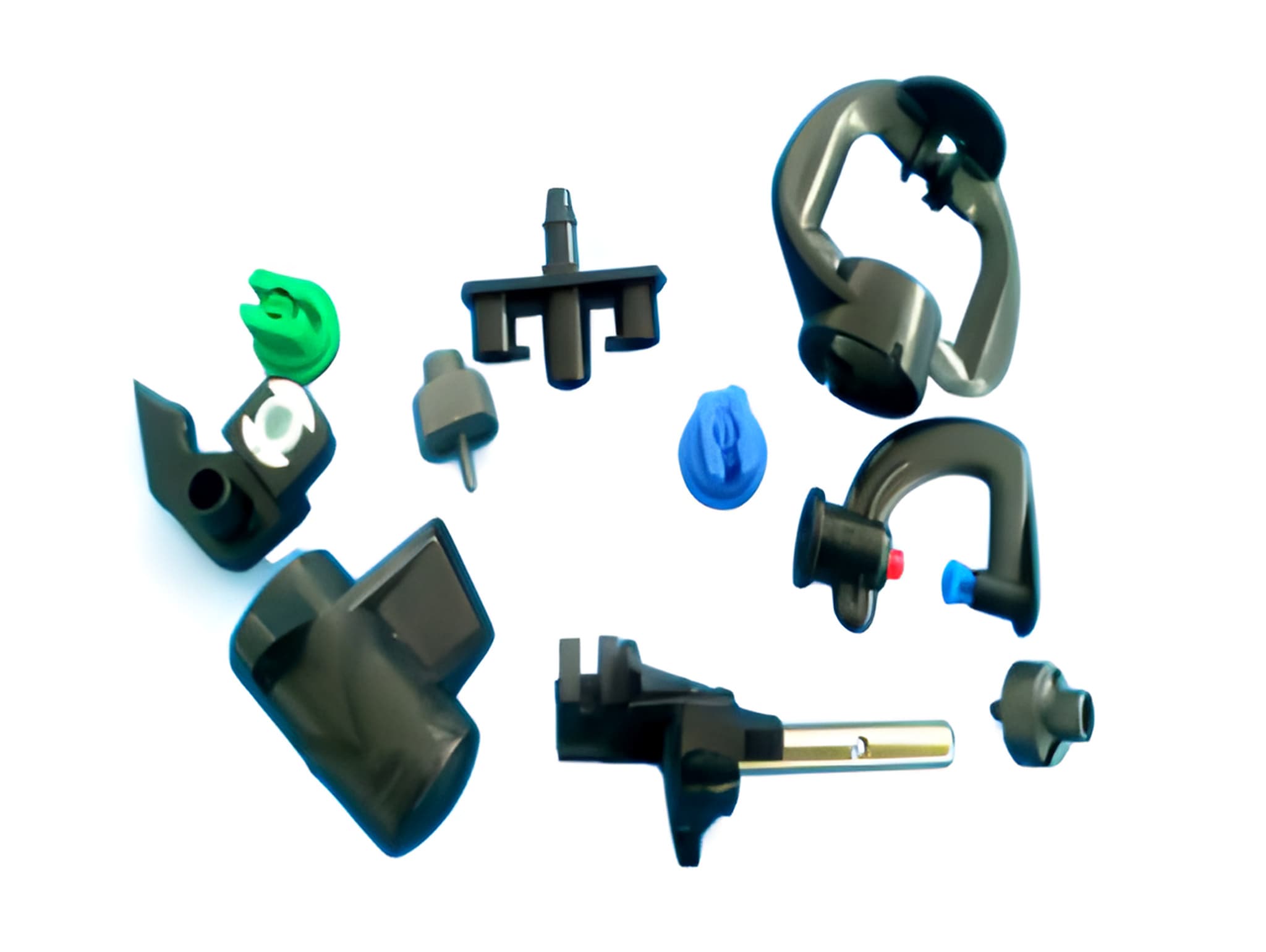
Typical components
Water pressure, rotation method, water quality, sunlight, temperature, and flow path dimensions determine wear, rotation, and spraying stability.
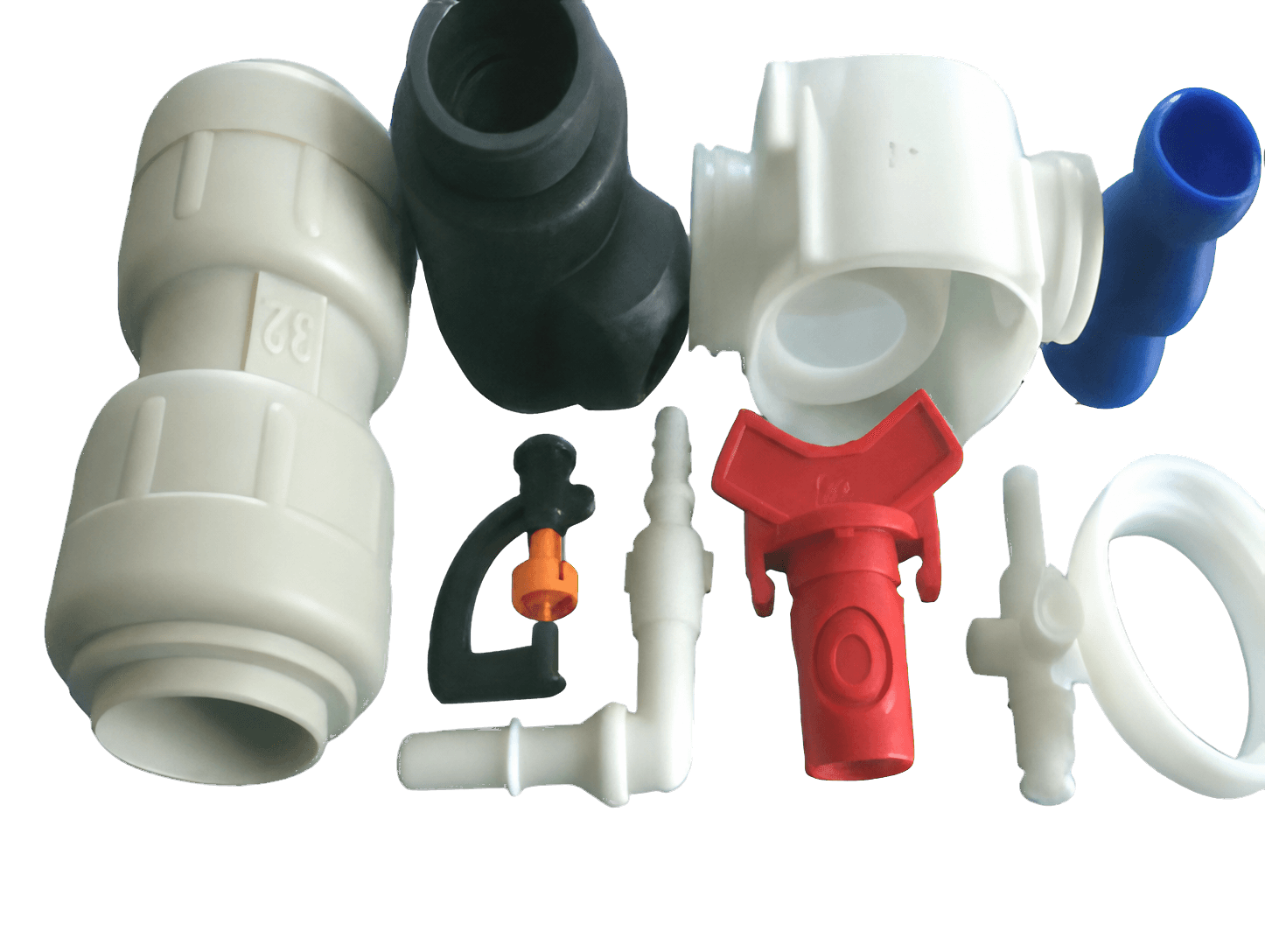
Water pressure, joint retention force, sealing surface, repeated assembly, sunlight, and water quality determine the stability of the connection and seal.
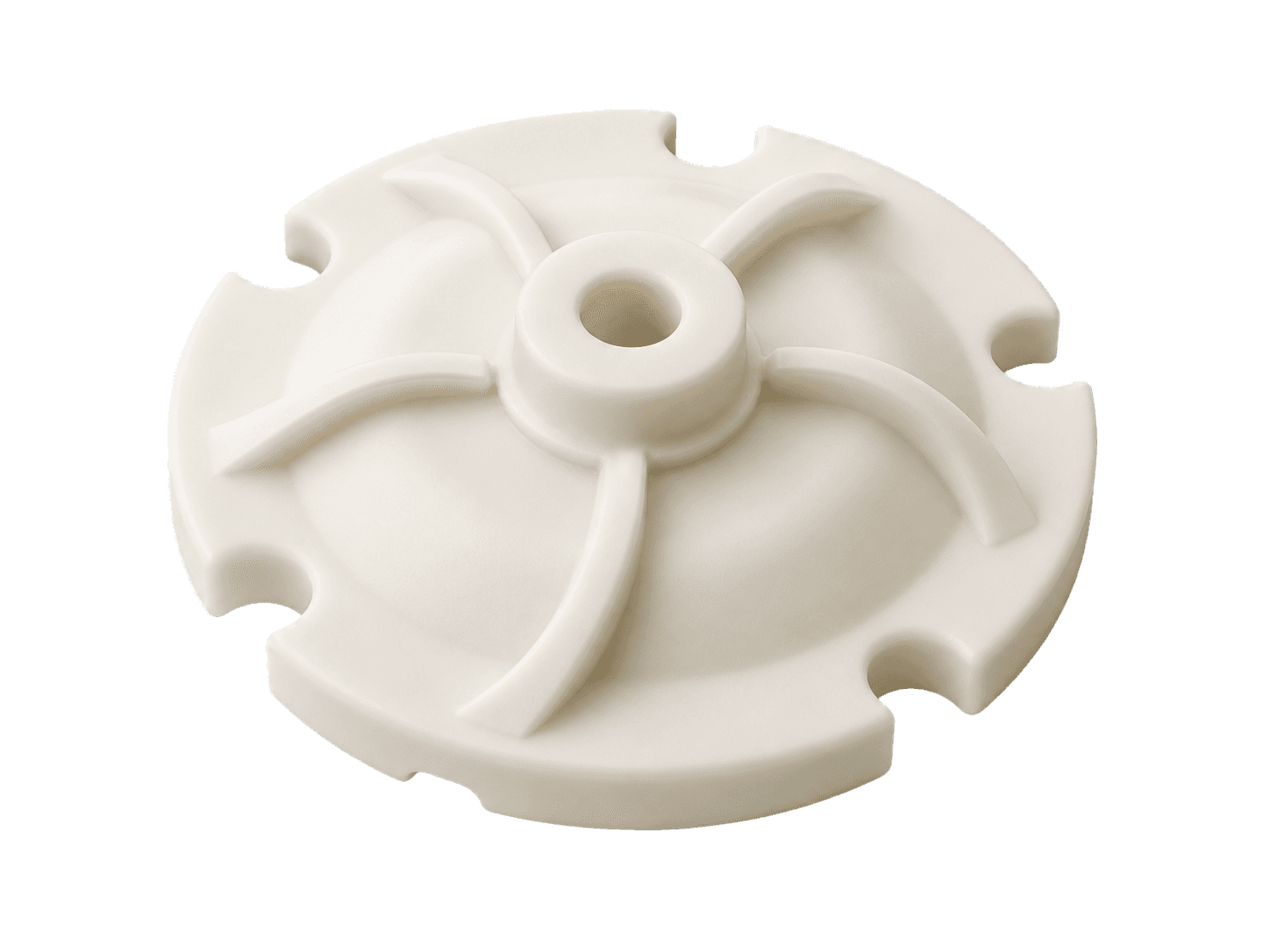
Water flow load, blade profile, rotational speed, water quality, and irrigation cycle determine torque transmission, wear, and rotational stability.
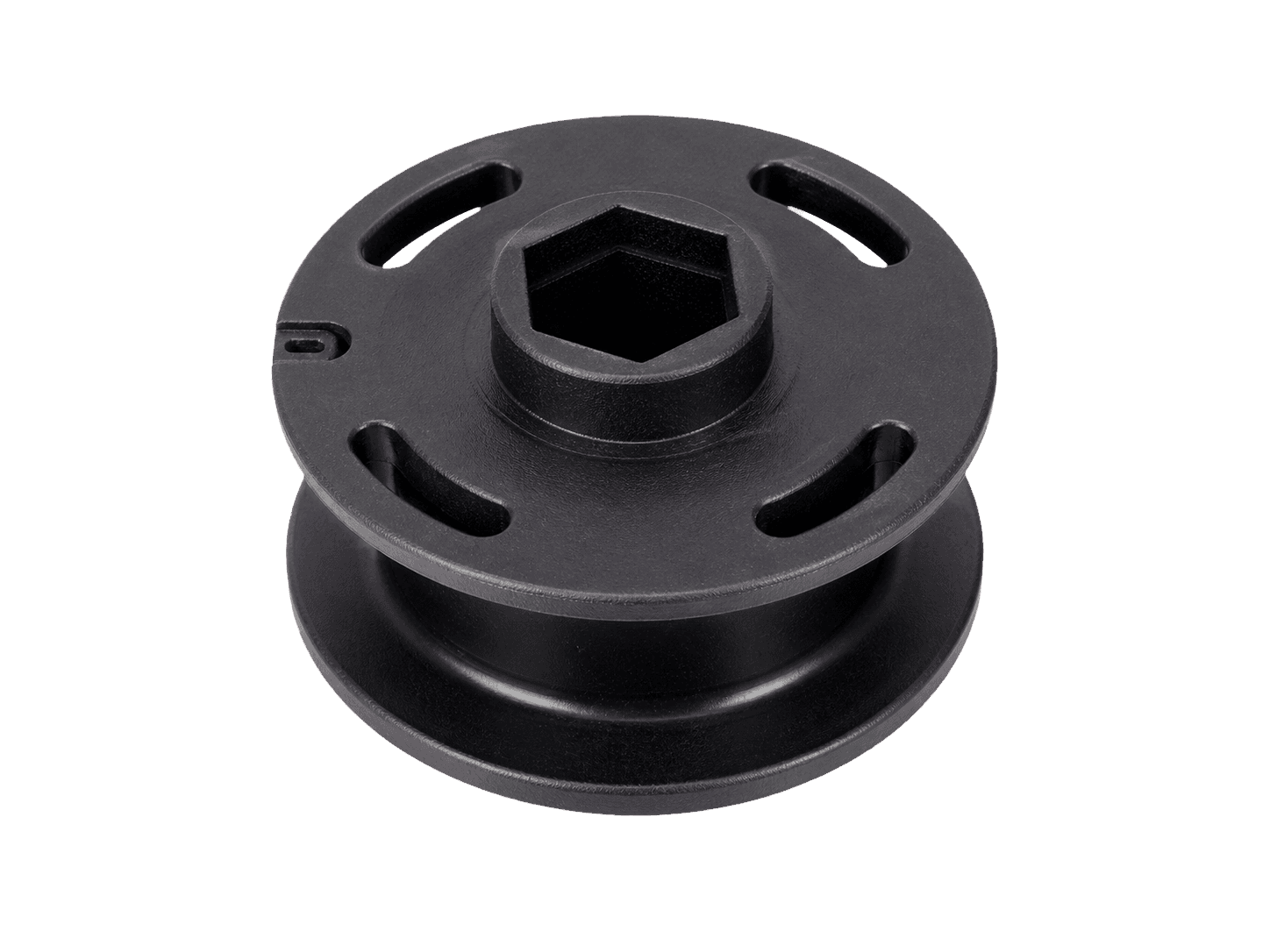
Speed, wire tension, collision, dynamic balance, and profile dimensions determine impact toughness, wear, and wire feeding stability.
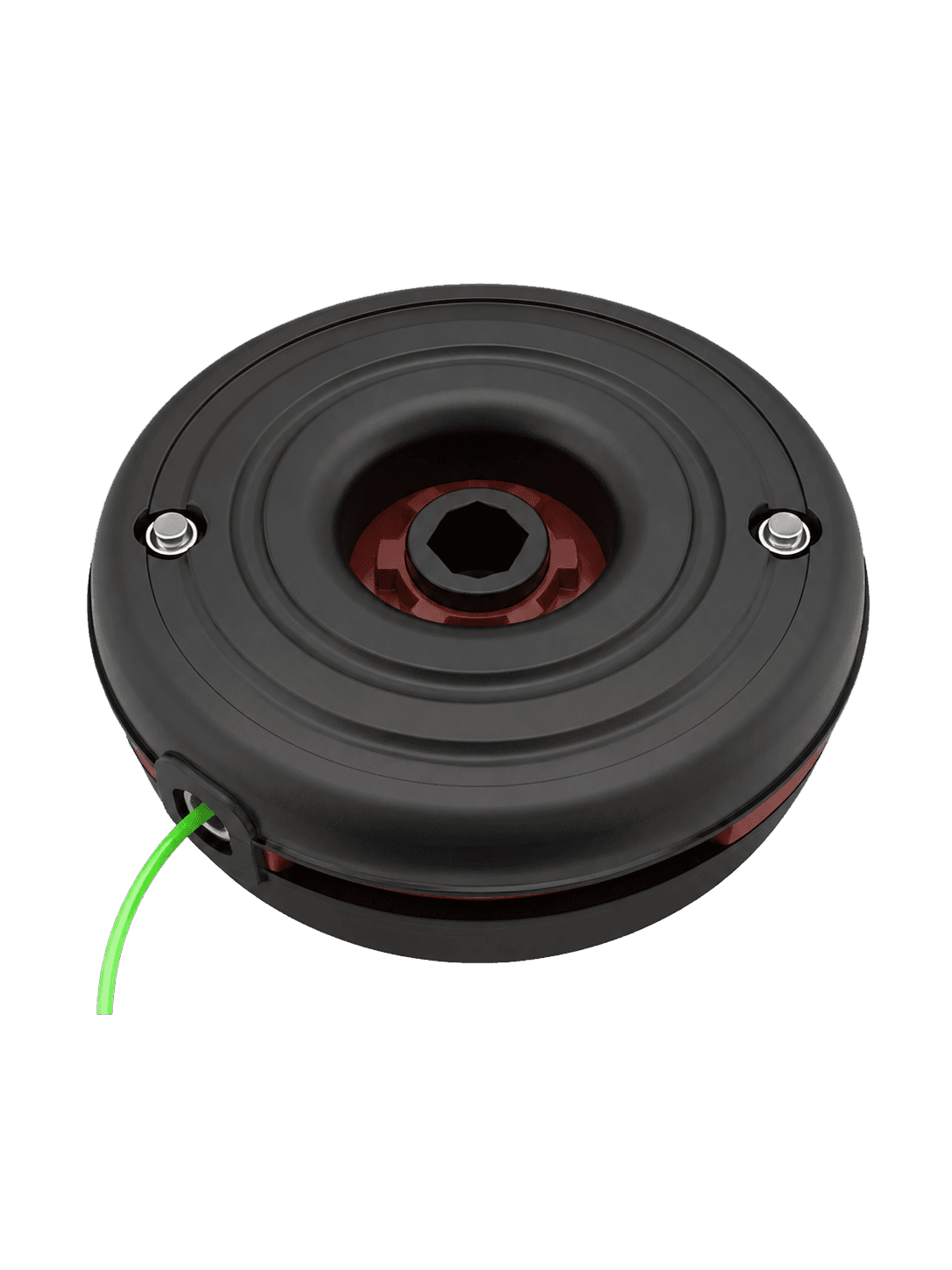
Drive meshing, fastening and holding, wire backlash, speed, collision, and temperature determine transmission, impact, and dimensional requirements.
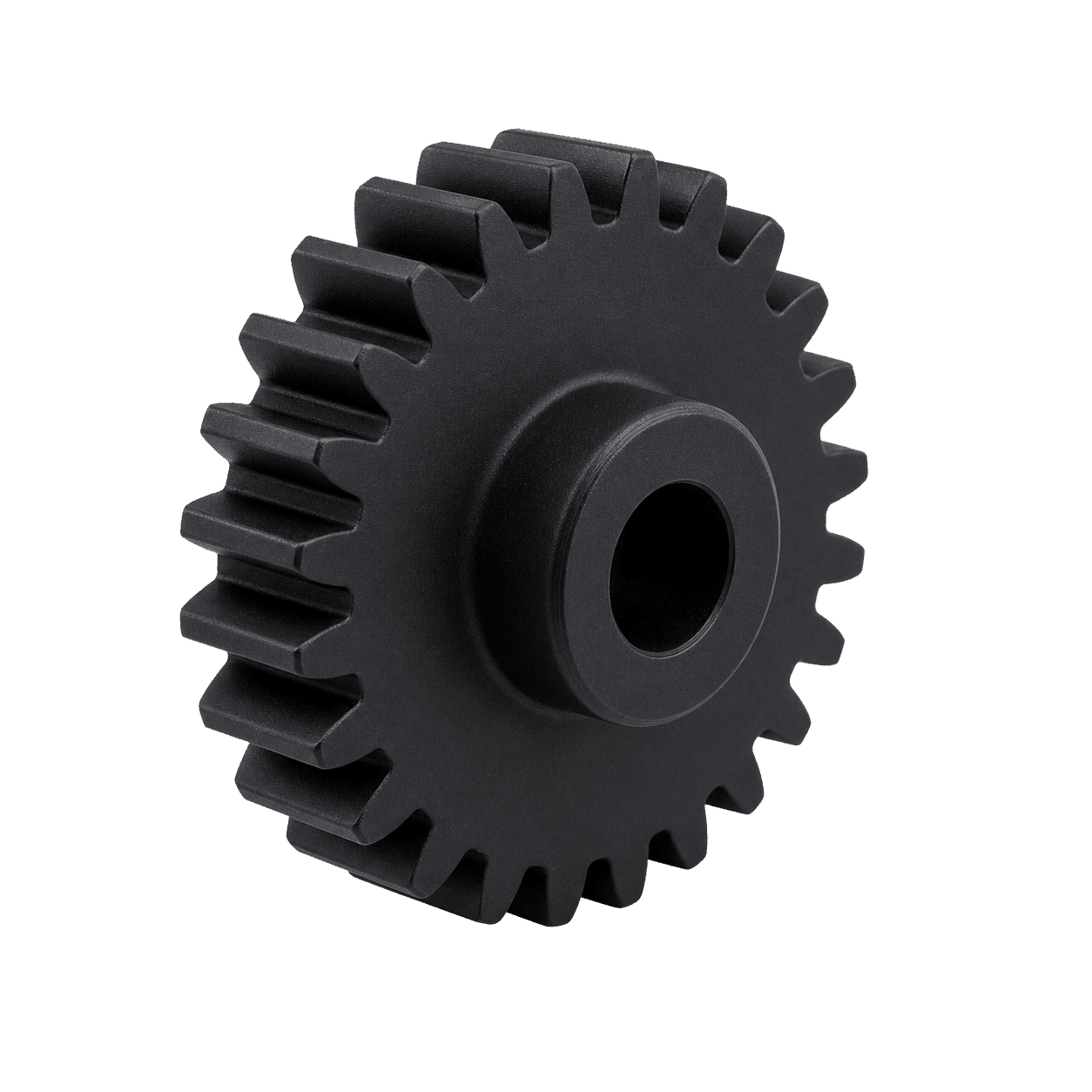
Torque, speed, start-stop impact, sediment, temperature, and cycle count determine tooth surface wear, noise, and dimensional retention requirements.
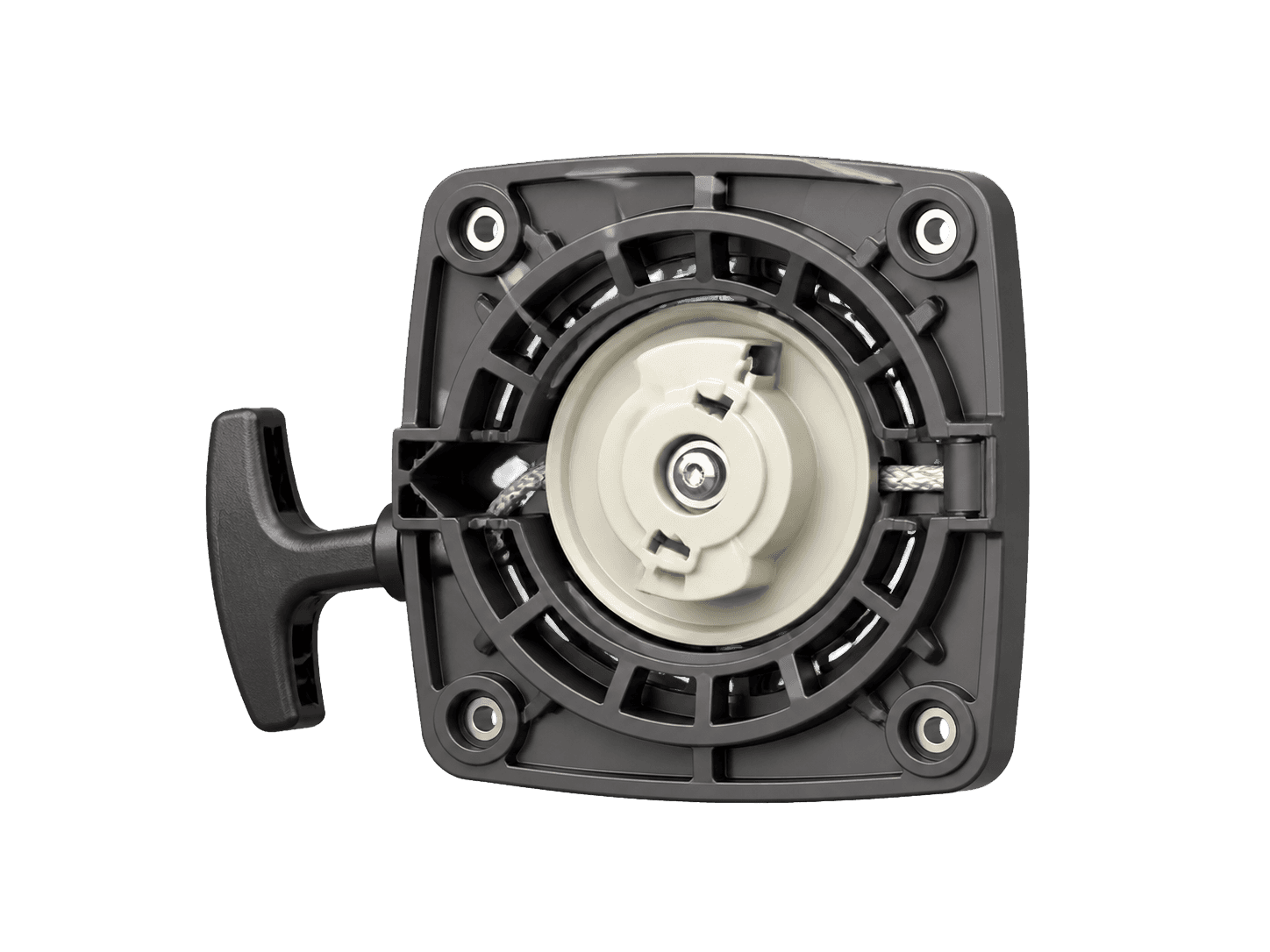
Pull rope paths, starting loads, rebound cycles, housing rigidity, low temperatures, and mounting dimensions all determine the performance of repeated starts.
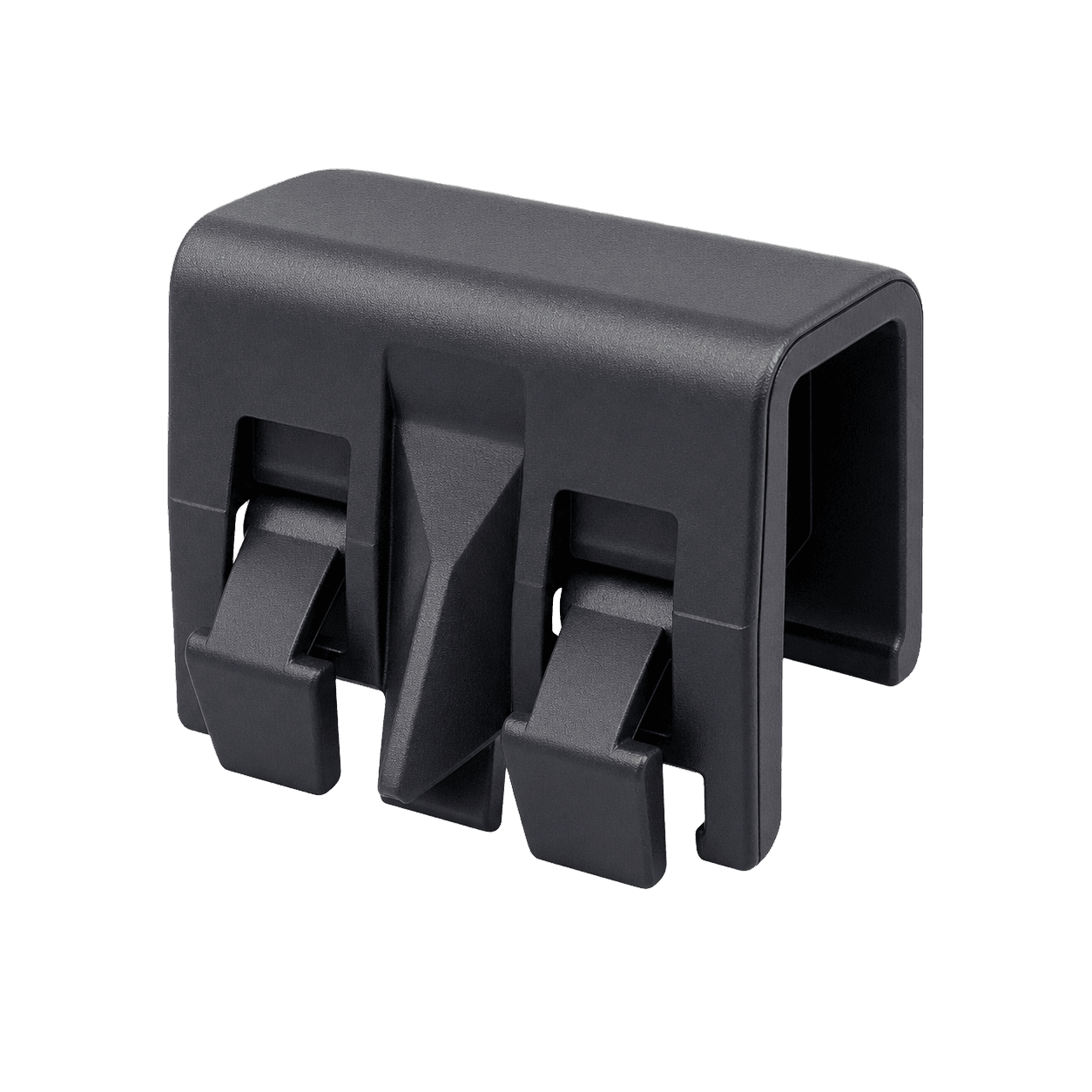
Assembly strain, retention force, wall thickness, sunlight, temperature cycling, and color requirements determine toughness and long-term snap performance.
Material options
The following directions are used to establish preliminary candidates and do not represent universal applicability to all outdoor equipment components. The specific grade still needs to be confirmed based on exposure period, temperature, load, medium, color, and sample results.
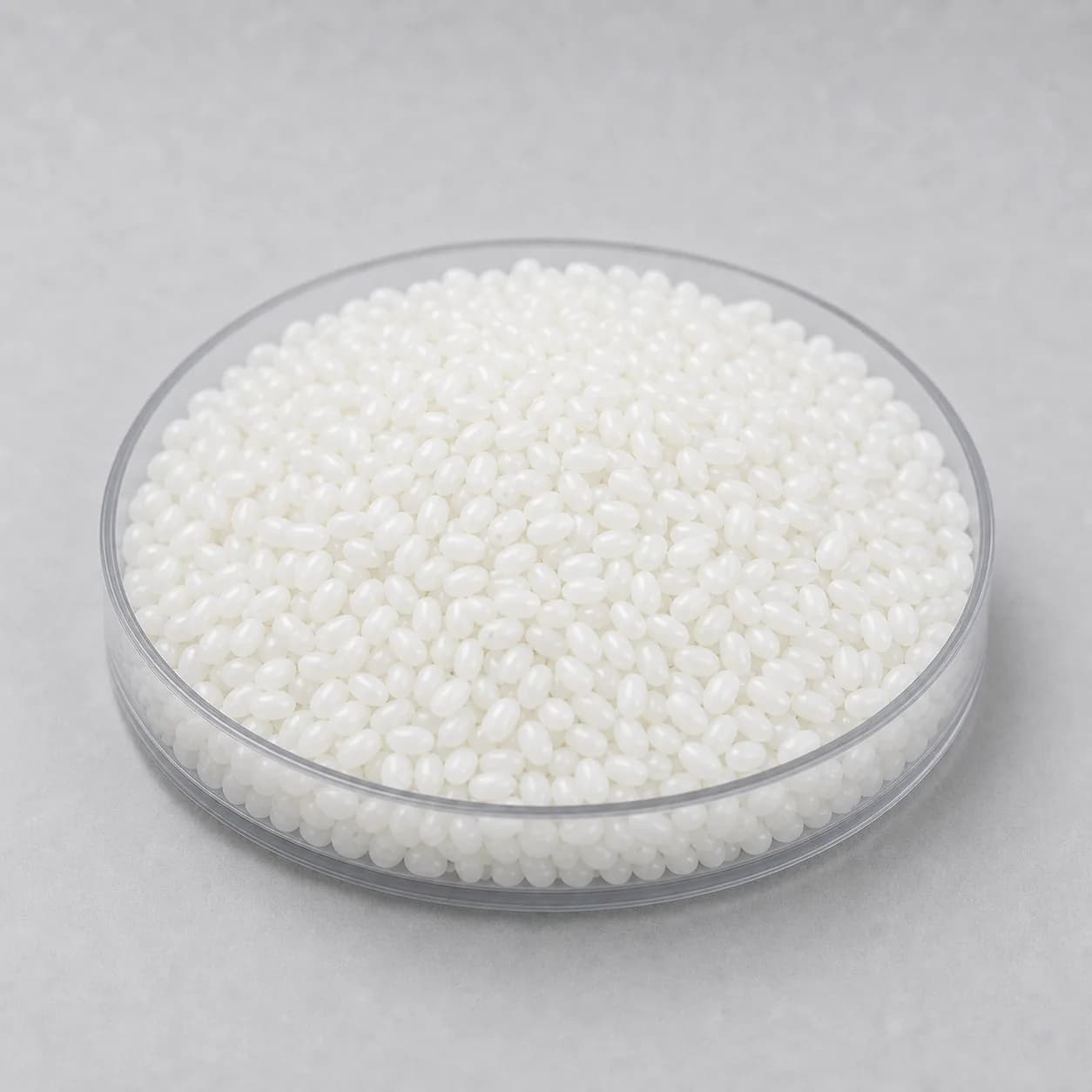
Components are considered candidates when higher toughness is needed during low temperatures, drops, collisions, startup impacts, or snap-fit assemblies.
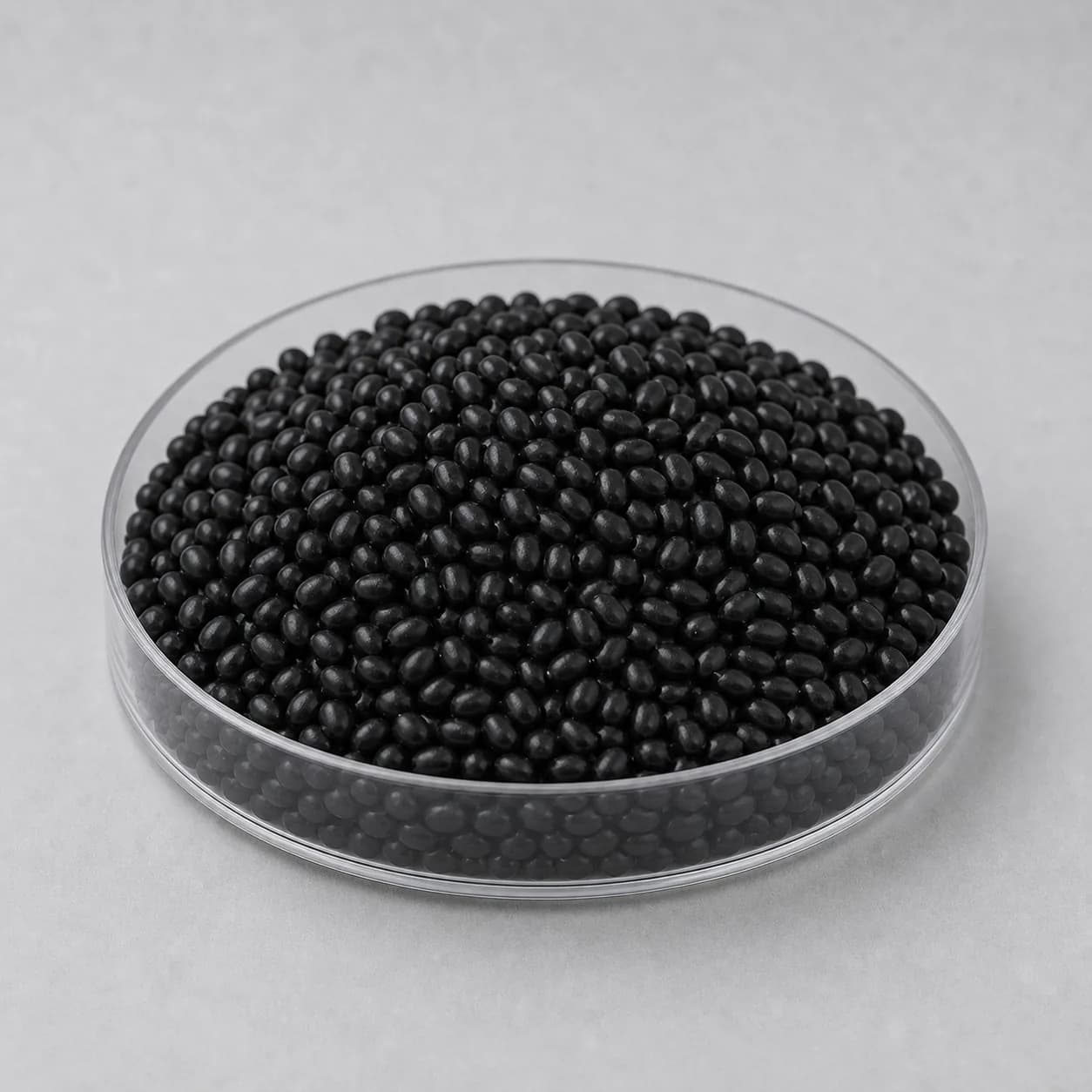
Consider UV-resistant POM for parts exposed to continuous or periodic sunlight when exposure duration and color, appearance or performance-retention targets are defined. Confirm the direction using grade-specific data and test conditions.
Gears, wire reels, nozzles, or guides are considered candidates when repeated rotation, sliding, abrasive grain entry, or lifespan are major issues.
Next step
Share the installation position, sunlight and exposure duration, temperature range, load or impact, water and dust exposure, key dimensions, color requirement and current failure mode. We can then organize the candidate range, open conditions, and grade-document or sample arrangements.