
Prove the Performance Gap in the PA66 Baseline
Before screening PPA, document the exact PA66 grade, color, condition, mold, process, and measured failure. The gap may involve hot-load stiffness, creep, humidity movement, chemicals, hydrolysis, electrical performance, thermal processing, or durability.
State the baseline, target, test method, and acceptance limit. Geometry, fiber orientation, weld lines, cooling, moisture, or an unstable process may be the root cause. Changing the polymer family may only add cost. Close design and process issues before treating PPA as the solution.
- Exact PA66 grade, conditioning state and current TDS revision
- Measured failure location, environment, time and temperature
- Required improvement and representative pass-or-fail method
- Design, mold and process causes already investigated
Compare Elevated-Temperature and Conditioned Performance
Partially aromatic PPA is often screened when PA66 cannot maintain mechanics or dimensions at higher temperature or humidity. Do not compare only dry tensile values at room temperature. Review stiffness, strength, creep, fatigue, thermal aging, and dimensions at the expected load, temperature, and moisture state.
Melting point and HDT help locate a grade direction, but neither establishes continuous-use life. Polymer chemistry, heat stabilization, reinforcement, stress, time, air or fluid exposure and failure criterion all matter. Use temperature-dependent and conditioned grade data where available, then validate the finished part over the required duration.
Define Moisture, Chemical and Electrical Requirements Precisely
PPA generally offers lower moisture uptake and higher dimensional stability than conventional PA6 or PA66. Results still depend on chemistry, reinforcement, thickness, conditioning, and service. Specify the moisture state, dimensional datums, temperature, exposure time, and property that must be retained.
Chemical and electrical suitability are grade- and test-specific. List every coolant, oil, fuel, salt solution, cleaning agent or other medium with concentration, temperature and exposure mode. For electrical parts, define voltage, resistance or dielectric requirement, humidity, wall thickness, flame rating, tracking or other applicable test and required approval. Do not infer compliance from the PPA family name.
Review the PPA Molding System Before Material Approval
PPA and PA66 need separate, grade-specific processing reviews. Confirm packaging, storage, drying, moisture measurement, machine capability, screw and barrel suitability, residence control, and hot-runner guidance. Also check mold temperature, runner and gate sizing, venting, cooling, ejection, startup, purging, and shutdown.
Many PPA grades process at higher temperatures. This can expose limits in heaters, controls, hot runners, seals, tooling, cooling, or changeover practice. Fiber orientation and weld lines remain important. Review mold and machine feasibility before ordering a production trial or using an existing PA66 tool.
- Drying and moisture verification for the exact grade and packaging history
- Machine, hot runner, nozzle, tooling and temperature-control capability
- Gate, venting, weld-line, orientation, surface and ejection requirements
- Purging, contamination control, residence management and safe shutdown
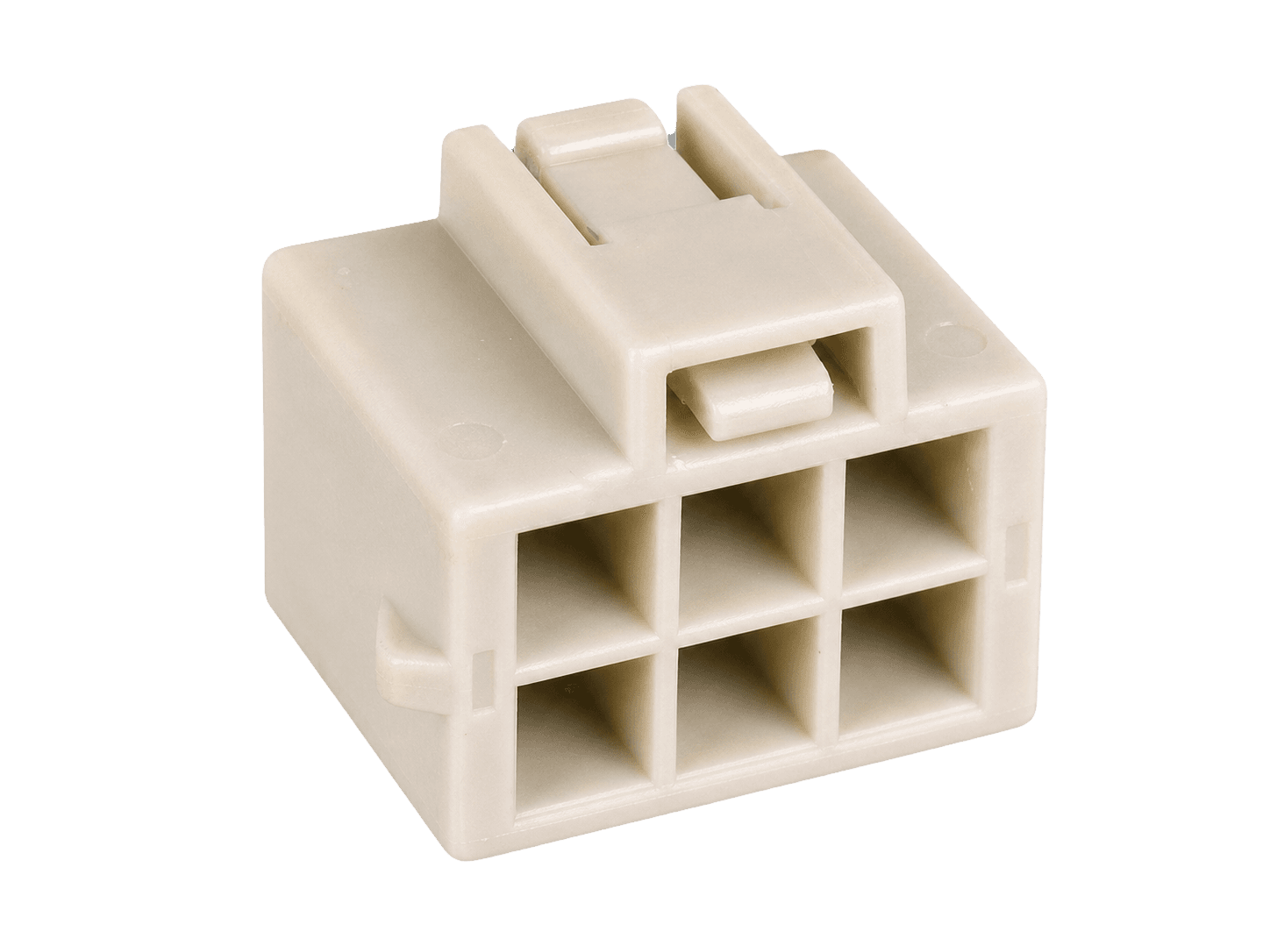
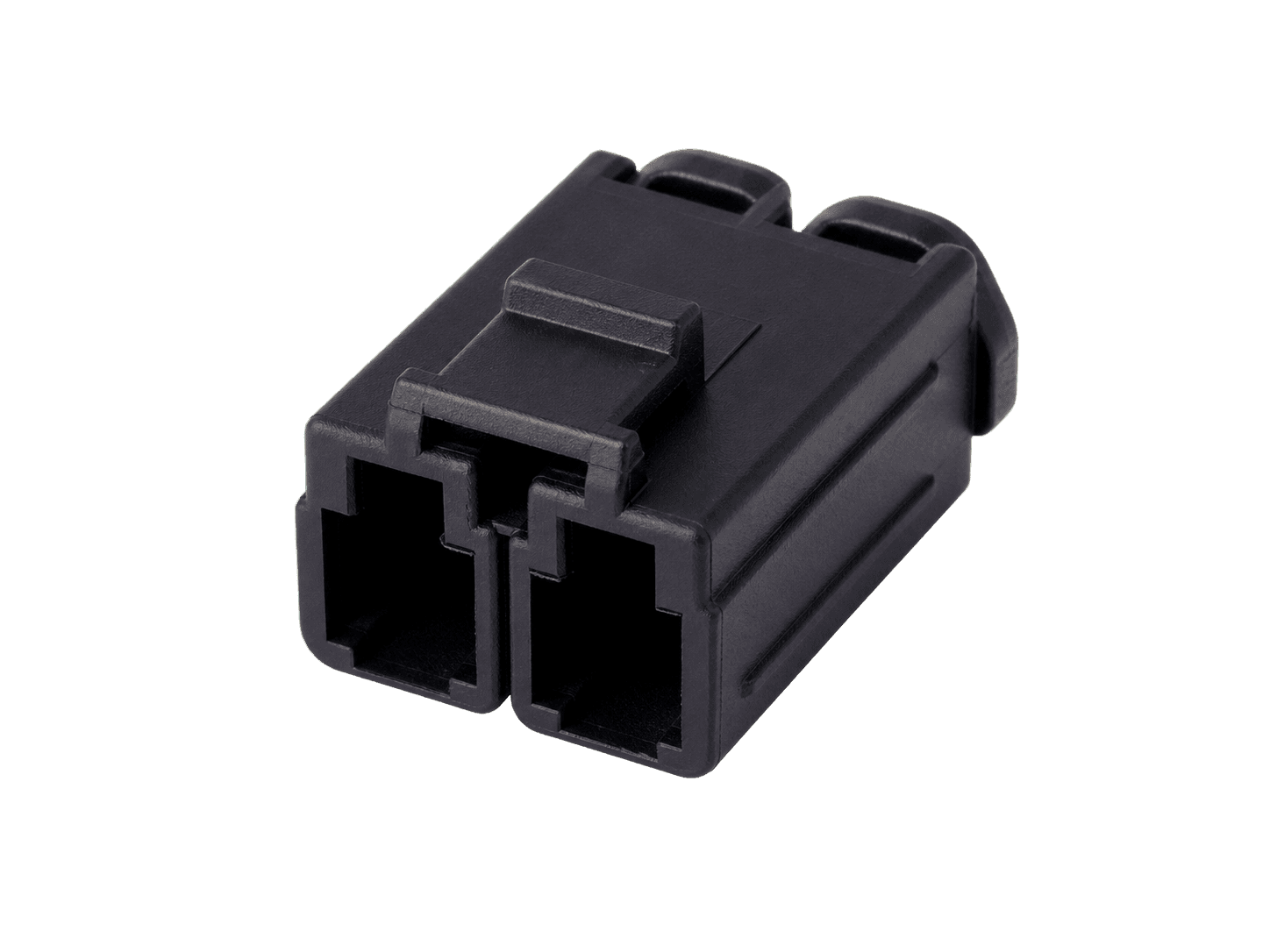
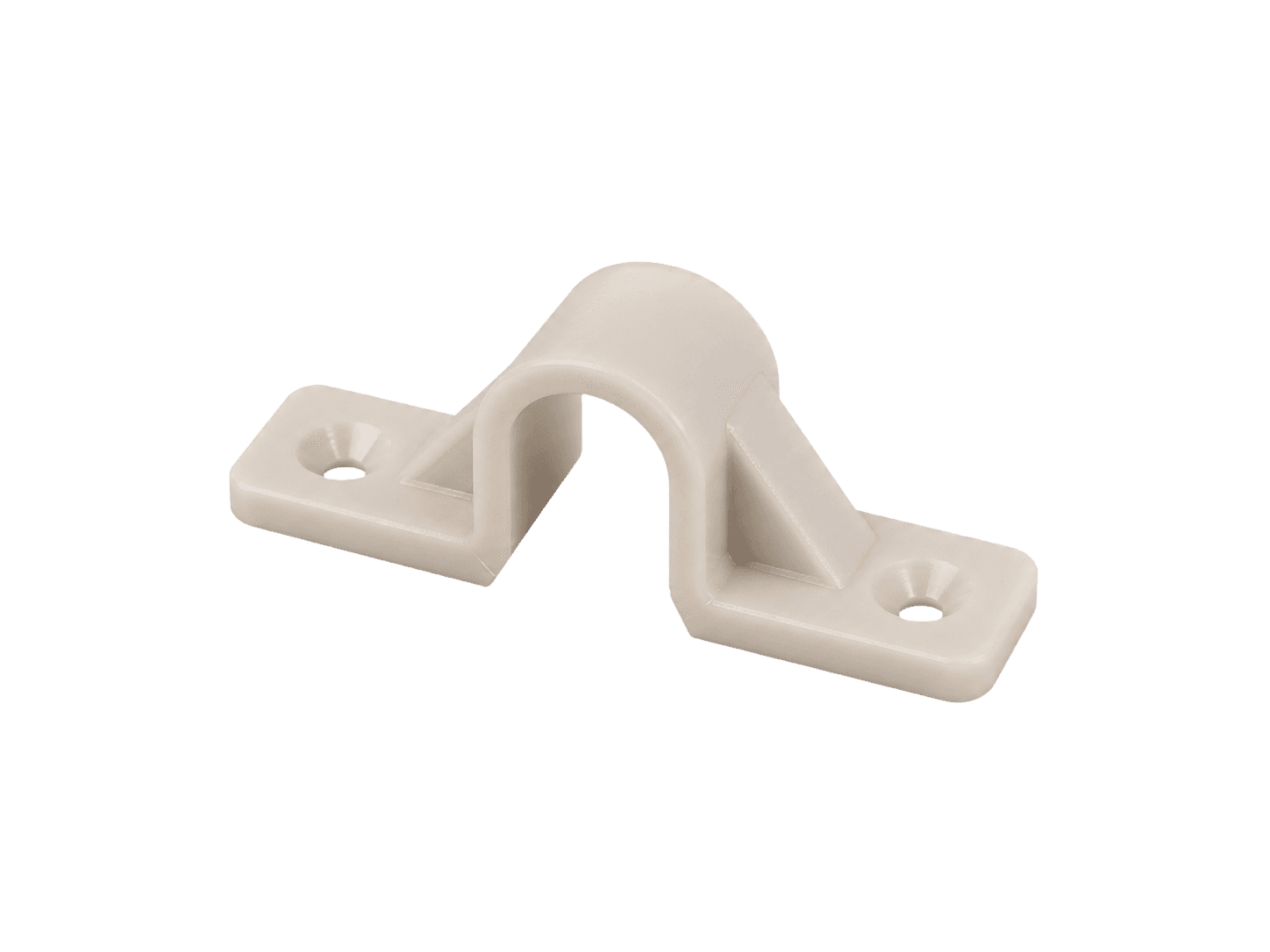
Representative electrical-part geometries only. Wall thickness, inserts, weld lines, drying, mold temperature, and machine capability still require grade-specific review; the images do not imply a PPA approval.
- Connector housing
- Terminal housing
- Insulation support
Use Matched GF30 Catalogue Examples Correctly
Taiyi Polymer EAG630H and EAG230 are both listed as 30% glass-fiber-reinforced compounds. EAG630H provides the PPA direction and EAG230 the PA66 direction. This matched filler level helps isolate the polymer-family direction during early screening, while the exact grade formulations and processing behavior remain different.
The table contains typical current catalogue values with the listed ISO methods. It does not establish universal PPA-versus-PA66 performance, long-term service temperature, chemical resistance, processing interchangeability or part approval. Confirm the latest grade documents and obtain missing temperature-dependent, conditioned or application-specific evidence before specification.
Taiyi GF30 PA66 and PPA catalogue example
Qualify the Upgrade Against the Original Decision Gate
Mold traceable PA66 baseline and PPA candidate parts with stable grade-appropriate process windows. Record material moisture, lot, fill and pack outputs, part weight, mold-surface temperatures, cavity balance, cycle, surface, weld lines, dimensions and warpage. Inspect parts at defined dry and conditioned intervals using the same datums and methods.
Test the original performance gap directly under representative load, temperature, humidity, chemical or electrical conditions. Also check assembly, impact, fatigue, creep, mating surfaces, post-processing and required documents. Release PPA only if the measured benefit justifies the manufacturing and commercial change without creating a new critical risk.